
Flowers
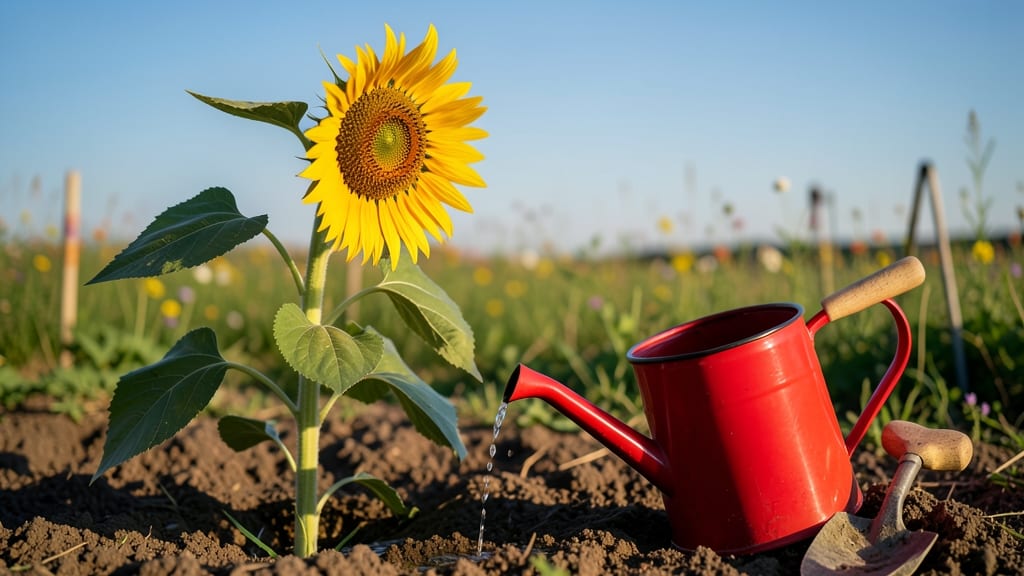
Watering sunflowers every 3 to 5 days keeps them thriving from seedling to bloom, but timing depends on soil, climate, and growth stage.
Sunflowers may seem low-maintenance, but watering them too much or too little can turn your towering blooms into sad, droopy stalks—here’s the exact science-backed schedule to maximize growth and flower production.
Young plants need consistent moisture, while mature sunflowers can handle brief dry spells. The key is deep watering in the morning to encourage strong roots and prevent fungal issues.
Below, I’ll break down the ideal watering routine by stage, plus how to spot thirsty or overwatered plants before it’s too late.
The ideal sunflower watering schedule by growth stage (with soil moisture tests)
Sunflowers thrive with consistent moisture, but their water needs change dramatically as they grow—from delicate seedlings to towering flowering giants. Overwatering can drown roots, while underwatering stunts growth and shrinks blooms.
The key is stage-specific care paired with simple soil tests to avoid guesswork. I’ve grown sunflowers from 1-inch seedlings to 12-foot giants, and this schedule keeps them happy every time.
Most gardeners water sunflowers based on time intervals (e.g., "every 3 days"), but that fails to account for soil type, weather conditions, or growth stage. Instead, focus on soil moisture depth—sunflowers need water to penetrate 6-8 inches deep to encourage strong root development.
Use your finger or a simple DIY tool (like a wooden skewer) to check moisture levels before watering.
During the seedling stage, sunflowers need frequent watering to establish roots, but avoid soggy soil—their tiny seeds can rot if overwatered. Use a spray bottle for gentle moisture and keep the soil consistently damp (not soaked).
Once seedlings reach 3-4 inches tall, switch to deeper watering to encourage root growth downward.
The vegetative stage (4-8 weeks) is when sunflowers grow fastest, and their water needs increase. Here, focus on deep watering—aim for 1-2 gallons per plant every 3-5 days.
Test soil moisture by sticking your finger 2-3 inches deep; if it feels dry, water thoroughly. Morning watering is critical to prevent fungal diseases like powdery mildew, which thrives in damp foliage.
When sunflowers enter the flowering stage (8-12 weeks), they become more drought-tolerant but still need consistent moisture to support heavy blooms. Reduce frequency to every 5-7 days and check for wilting buds—a sure sign they’re thirsty.
Pro tip: Water at the base of the plant to avoid damaging delicate petals, which can shorten bloom life.
For seed development (12+ weeks), cut back further to every 7-10 days. Overwatering now can cause seeds to split or rot. Instead, let the soil dry slightly between waterings and focus on mulching to retain moisture.
If your sunflowers are growing taller than 8 feet, consider staking to prevent stem breakage from heavy seed heads.
To test soil moisture without tools, use the "squeeze test": Grab a handful of soil near the roots. If it crumbles easily, water is needed. If it stays clumped and damp, wait another day.
For sandy soil, water more frequently; for clay soil, space out waterings to avoid compaction. Adjust based on temperature—hotter days mean more evaporation and faster drying.
One common mistake is watering at night, which promotes fungal growth. Always water before 10 AM so leaves dry quickly. If you notice yellowing leaves or mushy stems, you’re overwatering.
For underwatering, look for crispy leaf edges or drooping stems that recover after watering. Balance is key—sunflowers hate both extremes.
Mulch plays a huge role in water efficiency. Apply 2-3 inches of straw or wood chips around the base (but keep it away from the stem) to lock in moisture and suppress weeds.
In dry climates, mulch can reduce watering needs by 30-50%. For humid regions, use light mulch to prevent excess moisture buildup.
5 Signs your sunflowers are thirsty (or drowning) and how to fix them
Sunflowers 🌻 may wilt dramatically when their water needs aren't met—whether from drought stress or soggy soil. The key is recognizing subtle cues before irreversible damage occurs. I've seen thirsty sunflowers develop crispy leaf edges, while overwatered ones turn yellow and mushy at the base.
Let's decode these warning signs and revive your plants before it's too late.
First, check the soil moisture by sticking your finger 2-3 inches deep. If it feels bone-dry, your sunflowers are begging for water. Conversely, if the soil stays clumpy and cold, you're likely drowning the roots.
The leaf texture is your next clue—wilting leaves indicate thirst, while soft, yellowing foliage signals overwatering.
- 💧 1. Dry Soil Test: Finger-check reveals bone-dry soil 2" deep → water immediately with 1 gallon per plant.
- 🌱 2. Wilting Leaves: Leaves fold inward by noon → deep water in morning to prevent sun scald.
- 🌡️ 3. Stem Rigidity: Stems feel soft or hollow when pressed → reduce watering and improve drainage.
- 🌿 4. Yellowing Foliage: Lower leaves turn yellow-green → stop watering for 3 days and aerate soil.
- 🪴 5. Fungal Spots: Brown spots on leaves → prune affected areas and water at soil level only.
For emergency revival, I recommend the "soak-and-drain" method: Water deeply until it runs out the drainage holes, then let the soil dry slightly before repeating. This mimics natural rainfall cycles and prevents root suffocation.
If your sunflowers are in containers, ensure pots have drainage holes and use a well-draining mix with perlite.
Mulching with straw or wood chips retains moisture while preventing soil compaction. Apply a 2-inch layer around the base, keeping it 6 inches away from the stem to avoid rot. This simple trick can cut your watering needs by 30% while protecting roots from temperature swings.
Remember: Sunflowers are drought-tolerant once established, but they reward consistent moisture with bigger blooms. Adjust your watering based on the season—summer heat demands daily checks, while spring showers may require holding back. Trust your observations over a rigid schedule!
When in doubt, observe your sunflowers' growth rate. Healthy plants grow 2-3 inches per day in ideal conditions. If they're stagnating, it's time to reassess your watering routine. With these fixes, your sunflowers will bounce back stronger than ever—ready to reach for the sky! 🌻