
Flowers
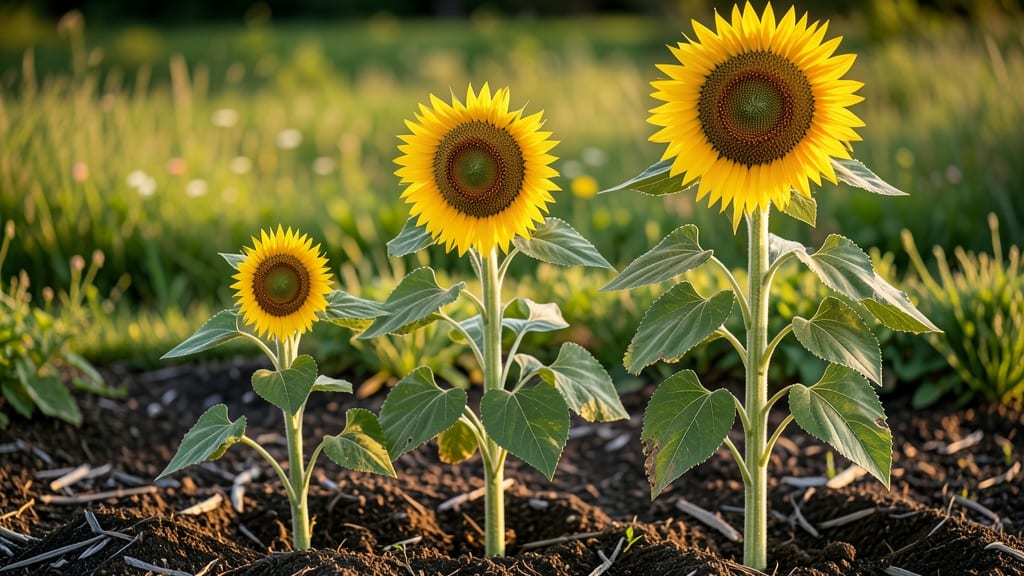
How tall do sunflowers grow? From dwarf varieties at just 1–3 feet to towering giants that top out at 12–16 feet—the difference between them isn’t just about space, it’s about the variety you pick and how you nurture it.
Picture this: a Teddy Bear sunflower barely reaching your waist, perfect for a child’s garden, while a Russian Giant stretches higher than your garage door, demanding extra soil nutrients and sturdier staking. The wrong conditions can leave even a tall variety stunted, or turn a dwarf into a leggy flop.
In this guide, I’ll break down the exact heights of popular sunflowers—from container-friendly dwarfs to backyard skyscrapers—and share the secrets to coaxing the right size out of your plants, whether you’re aiming for a privacy screen or a dramatic centerpiece.
You’ll learn how sunlight, soil, and spacing shape their growth, plus pro tips for pruning and staking to keep them steady. By the end, you’ll know exactly which varieties fit your space—and how to help them thrive.


Sunflower height by variety: from dwarf to giant types
If you’ve ever wondered how tall sunflowers grow, the answer depends entirely on the variety you choose. Some stay compact enough for containers, while others tower over your fence like backyard skyscrapers. The right selection can transform your garden from a modest border to a dramatic focal point.
Whether you’re planning a cut-flower garden or a whimsical pollinator haven, knowing these height ranges helps you space plants perfectly.
Sunflower heights range from 1-foot dwarfs to 15-foot giants, with everything in between. The key to maximizing height lies in selecting the right cultivar and providing optimal growing conditions. For example, the 'Russian Giant' can stretch to 12 feet, while the 'Teddy Bear' variety stays under 3 feet.
Let’s break down the categories so you can pick the perfect fit for your space.
| Variety | Height Range | Best For | Notes |
|---|---|---|---|
| Dwarf Varieties | 1–3 ft | Containers, borders, pollinator gardens | Ideal for small spaces; blooms early |
| 'Teddy Bear' | 2–3 ft | Cut flowers, children’s gardens | Double blooms; great for bouquets |
| Medium Varieties | 3–6 ft | Cutting gardens, mixed borders | Balanced height for most gardens |
| 'Moulin Rouge' | 4–5 ft | Cut flowers, dried arrangements | Dark red blooms; long vase life |
| Tall Varieties | 8–12 ft | Backyard focal points, privacy screens | Needs staking; dramatic impact |
| 'Mammoth' | 10–14 ft | Cutting gardens, statement plants | Classic single blooms; tall stems |
| Giant Varieties | 12–15 ft | Special events, large landscapes | Requires ample space and support |
| 'Russian Giant' | 12–16 ft | Record-breaking displays, art installations | Largest sunflower variety; needs rich soil |
For dwarf varieties, think of them as the perfect container plants or border edging. The 'Teddy Bear' sunflower, for instance, stays under 3 feet but produces double blooms that last weeks in vases.
These are ideal if you’re working with limited space or want to add color to patios and decks. Their compact size also makes them easier to protect from pests and harsh winds.
When you’re after medium-height sunflowers, varieties like 'Moulin Rouge' strike the perfect balance. Standing at 4–5 feet, they’re tall enough to create visual interest without overwhelming smaller gardens.
These are my go-to for cutting gardens because their stems are sturdy enough to hold up in bouquets, and their dark red blooms add a striking contrast to lighter flowers.
If you’re dreaming of a dramatic focal point, tall varieties like 'Mammoth' will steal the show. Reaching 10–14 feet, these sunflowers need space but repay you with gorgeous single blooms and long stems perfect for drying or fresh arrangements.
Just be prepared to stake them early—their height makes them prone to toppling in wind or rain.
The giant varieties are for those who want to push the limits. The 'Russian Giant' can grow up to 16 feet, making it one of the tallest sunflower varieties available. These are best suited for large landscapes or special events where you want to create a wow factor.
They require nutrient-rich soil, plenty of water, and often need support structures to prevent them from bending or breaking.
Choosing the right height isn’t just about aesthetics—it’s also about practicality. For example, if you’re growing sunflowers for bird feeders, taller varieties provide perches for birds to enjoy the seeds. On the other hand, if you’re planting near a walkway or driveway, dwarf varieties won’t obstruct
How growing conditions affect sunflower height: soil, sun, and spacing
Sunflowers thrive when given the right growing conditions, and their height can vary dramatically based on what you provide. Soil quality, sunlight exposure, and proper spacing are the three pillars that determine whether your sunflowers will stay compact or reach skyward.
Even the hardiest varieties like Russian Giant need ideal conditions to hit their full potential height of 12-16 feet. Let’s break down how each factor influences growth and what you can do to optimize it.
First, let’s address the most critical factor: sunlight. Sunflowers are heliotropic, meaning they follow the sun’s movement throughout the day. Without 6+ hours of direct sunlight daily, they’ll grow leggy and weak, reaching only a fraction of their potential height.
Even partial shade can stunt growth by 30-50%, so choose a sunny spot—like the south-facing side of your garden—to ensure maximum height.
- 1. Soil Nutrients: Nitrogen-rich soil fuels rapid stem growth, while phosphorus and potassium support root development. Amend clay soil with compost to improve drainage, or add sand to loamy soil for better aeration.
- 2. Sunlight Exposure: Full sun (6+ hours/day) is non-negotiable. Even 4 hours of shade can reduce height by 40%. Use a sunlight meter to confirm your garden’s light conditions.
- 3. Watering Depth: Deep watering (1-2 inches/week) encourages strong root systems, while shallow watering leads to weak stems and stunted growth. Water at the base of the plant in the morning to prevent fungal issues.
- 4. Spacing Rules: Dwarf varieties need 12 inches apart, while giant types require 2-3 feet of space. Overcrowding forces plants to compete for nutrients, resulting in shorter, thinner stems.
- 5. Troubleshooting Leggy Growth: If your sunflowers are tall but weak, they’re likely overcrowded or underfed. Thin seedlings to 12-18 inches apart and fertilize with a balanced 10-10-10 mix to strengthen stems.
Next, let’s talk about soil preparation, which directly impacts root development and nutrient uptake. Sunflowers prefer well-draining soil with a pH of 6.0-7.5.
If your soil is heavy clay or sandy, mix in organic matter like compost or aged manure to improve structure. Nitrogen-heavy fertilizers can boost stem growth, but too much can lead to floppy, weak stalks. Instead, use a balanced fertilizer (10-10-10) every 4-6 weeks during the growing season.
Proper spacing is another game-changer for height. Dwarf varieties like Teddy Bear (1-3 feet) can handle 12 inches between plants, while giants like Mammoth (10-14 feet) need 2-3 feet of space. Overcrowding forces plants to compete for sunlight and nutrients, resulting in shorter, spindly stalks.
If you’re growing sunflowers in containers, choose dwarf varieties and use pots at least 12 inches deep to accommodate root growth.
Finally, watering techniques play a surprising role in height. Sunflowers need 1-2 inches of water per week, but shallow watering encourages weak roots. Instead, water deeply 2-3 times per week to encourage roots to grow downward.
Avoid wetting the leaves or flowers, as this can promote powdery mildew, a fungal disease that weakens plants and reduces height. Mulching around the base with straw or wood chips helps retain moisture and regulate soil temperature.
If your sunflowers are growing stunted or leggy, don’t panic—there are fixes! First, check for overcrowding and thin seedlings if needed. Next, ensure they’re getting full sun and adjust their location if necessary.
Finally, fertilize with a phosphorus-rich mix to boost root growth. With the right conditions, even dwarf varieties can surprise you with extra height, while giants will reach their full potential.