
Watering
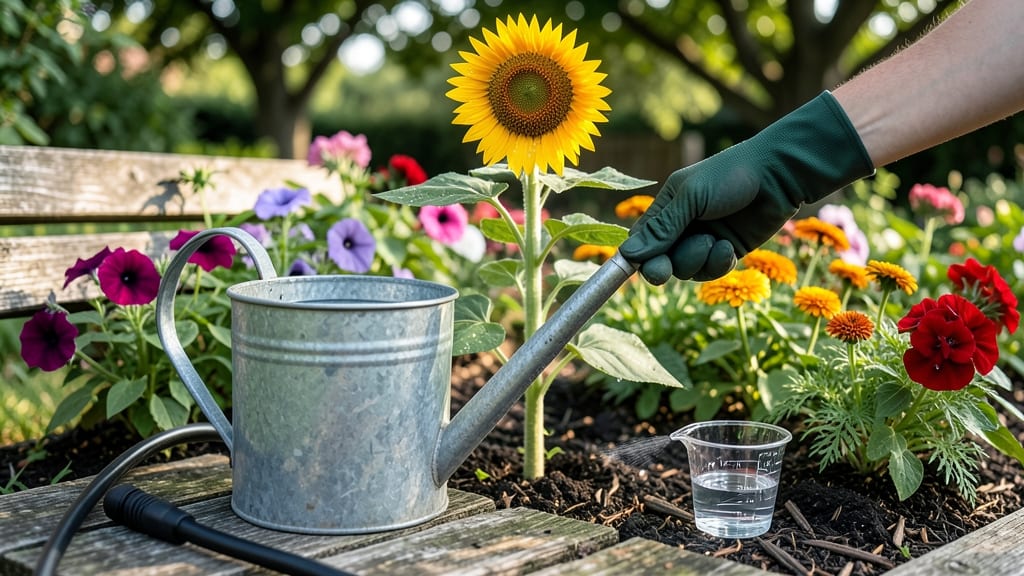
Watering flowers outside the right number of times keeps them vibrant and healthy—too much or too little can mean the difference between a lush garden and wilted petals.
Struggling to keep your outdoor flowers blooming beautifully? Overwatering or underwatering can both kill your plants—so knowing the exact watering schedule for your soil type is the secret to thriving blooms.
Most gardeners guess, but guesswork leads to soggy roots or parched petals. Instead, I’ll break down how often to water based on your soil—whether it’s sandy, clay-heavy, or loamy—plus seasonal tweaks to save water without stressing your 🌸.
You’ll learn the best times to water, how to spot thirsty (or drowned) plants, and simple techniques to keep your flowers happy all season long.
Soil-type watering schedule: how often to water flowers based on dirt
Your soil type determines how often you should water your flowers—because sandy soil drains fast while clay holds moisture like a sponge. Even the same flowers need different care depending on whether your garden is loose and gritty or dense and compact.
I’ll break down the science-backed watering intervals for each soil type so you can give your blooms the perfect hydration balance.
First, let’s clarify: watering frequency isn’t one-size-fits-all. A geranium in loamy soil might need water every 2 days, but the same plant in sandy soil could dry out in just 24 hours.
The key is understanding how your soil behaves—whether it clings to moisture or lets water slip away like grains through an hourglass.
🌱 Before we dive in, test your soil’s moisture retention with this quick trick: Grab a handful of damp soil and squeeze it. If it crumbles easily, you’ve got sandy soil. If it stays in a tight clump, it’s likely clay.
Loamy soil falls somewhere in between, feeling slightly springy but not sticky. Knowing your soil’s personality will save your flowers from thirst or rot.
Here’s the game-changer: Most gardeners overwater because they assume all soil types behave the same. But clay soil holds 3x more water than sandy soil—so your watering schedule should adjust drastically. Let’s fix that with a precise guide tailored to your dirt’s DNA.
| Soil Type | Moisture Retention | Watering Frequency (Summer) | Watering Depth | Best Flowers for This Soil |
|---|---|---|---|---|
| Sandy | Low (drains quickly) | Every 1-2 days | 6-8 inches deep | Zinnias, Snapdragons, Cosmos |
| Loamy | Moderate (ideal balance) | Every 2-3 days | 4-6 inches deep | Roses, Petunias, Marigolds |
| Clay | High (holds moisture) | Every 3-5 days | 3-4 inches deep | Lavender, Coneflowers, Black-Eyed Susans |
| Chalky | Very high (alkaline, dense) | Every 4-7 days | 2-3 inches deep | Hollyhocks, Delphiniums, Campanulas |
Now that you’ve got the soil-specific schedule, let’s talk watering techniques. For sandy soil, water deeply but infrequently—think of it like giving your plants a long drink instead of sipping all day.
In clay soil, shallow watering leads to surface crusting, so use a soaker hose to penetrate just 3-4 inches. Loamy soil is forgiving, but even here, deep watering encourages roots to grow downward for stability.
💧 Pro tip: Always water in the early morning (before 10 AM) to reduce evaporation and fungal risks. If you’re unsure whether your flowers need water, stick your finger 2 inches into the soil.
If it feels dry, it’s time to water. If it’s damp, wait another day—especially in clay or chalky soils, where overwatering is a silent killer.
What about seasonal shifts? In spring and fall, reduce watering by 30-50% compared to summer.
For example, loamy soil might need water every 3-4 days in spring but only every 5-7 days in fall. Chalky soil is even more forgiving—your hollyhocks might only need water every 7-10 days in cooler months. The goal is to mimic natural rainfall patterns without drowning your plants.
One common mistake I see is ignoring mulch. A 2-3 inch layer of straw or wood chips locks in moisture for sandy soil and prevents clay soil from drying out too quickly.
For loamy soil, mulch keeps temperatures stable and reduces watering needs by up to 40%. It’s like giving your soil a cozy blanket—your flowers will thank you with bigger, brighter blooms.
🌿 Final rule: Observe your flowers’ natural cues. Drooping petals by noon? That’s a thirst signal in sandy soil. Yellowing leaves? You’re likely overwatering clay soil.
Adjust your schedule weekly based on what you see—because no two gardens are exactly alike, even with the same soil type. The more you pay attention, the more your flowers will reward you with vibrant, long-lasting blooms.
Seasonal adjustments: when to water flowers more or less frequently
Watering your outdoor flowers isn't a one-size-fits-all task—it changes dramatically with the seasons. In summer, scorching sun and dry winds can dry out soil in hours, while winter dormancy often means cutting back to just enough moisture to keep roots alive.
Even spring rains and fall humidity shift your routine. Understanding these seasonal shifts helps you avoid both root rot from overwatering and wilting from neglect.
Let's break down how to adjust your watering schedule month by month. Each season brings unique challenges—like heatwaves that demand daily attention or frost risks that signal it's time to slow down. With these adjustments, your flowers will stay vibrant year-round, no matter what Mother Nature throws at them.
- Spring (March-May): Water every 2-3 days as soil warms. Focus on new growth—young plants need consistent moisture to establish roots.
- Summer (June-August): Increase to daily or every other day during heatwaves. Water deeply in the morning to prevent evaporation and fungal growth.
- Fall (September-November): Reduce to every 3-4 days as temperatures drop. Focus on mulching to retain soil moisture longer.
- Winter (December-February): Water bi-weekly or monthly only if soil is dry. Avoid soggy soil—dormant plants need minimal moisture.
During spring, the key is consistency. As soil warms, roots wake up and start absorbing moisture more actively. I like to check soil moisture with my finger—if the top 1-2 inches feel dry, it's time to water.
This is also when newly planted flowers need extra care, as their roots are still establishing.
When summer heat arrives, your watering routine should shift to morning watering only. Watering in the evening can trap moisture on leaves, inviting fungal diseases like powdery mildew. For container flowers, you may need to water twice daily during extreme heat, but always check the soil first—don't assume!
As fall approaches, reduce watering gradually. The cooler air and shorter days mean plants need less moisture. This is a great time to mulch around your flowers—a 2-3 inch layer of mulch helps retain soil moisture and insulates roots against early frosts.
In winter, most flowers enter dormancy, and their water needs drop dramatically. I only water if the soil feels bone-dry, and even then, just enough to keep roots from drying out completely.
Overwatering in winter can lead to root rot, so it's better to err on the side of caution.
Remember, these are general guidelines. Always adjust based on your local climate, soil type, and the specific needs of your flower varieties. A little observation and flexibility go a long way in keeping your garden thriving all year round. 🌷