
Watering
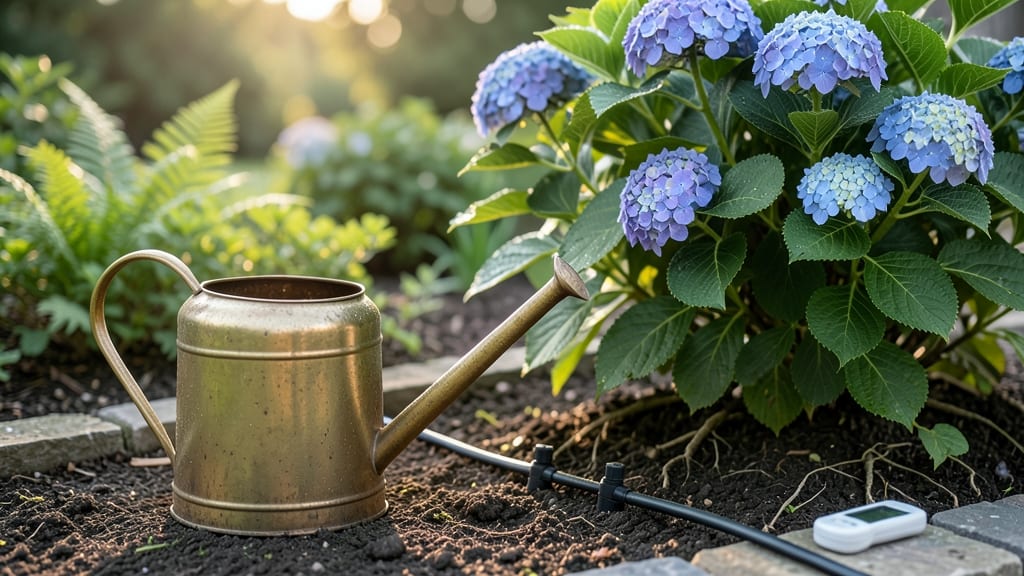
Watering flowers outside at the best time—early morning—is the secret to vibrant blooms and healthy roots that last all season.
Struggling to keep your flowers thriving despite your best watering efforts? The secret to lush blooms and strong roots lies in timing—specifically, when you water them outside. Too late, and you risk fungal diseases or wasted water. Too early, and evaporation steals what your 🌸 need most.
Early morning watering works with nature, not against it. When temperatures are cooler, moisture stays in the soil longer, and plants absorb what they need before the sun intensifies. This simple shift can transform wilted petals into perky blooms in just a few weeks.
Here’s how to master the art of watering: the ideal times, tools to use (and avoid), and how to adjust for summer heat or winter chill. Let’s get those flowers thriving!
Why early morning is the best time to water flowers outside
If you've ever wondered why your garden looks perkier after a morning water session, science has the answer. Early morning watering isn't just a gardener's habit—it's a strategic move that boosts flower health by leveraging nature's daily rhythms.
The cool temperatures and low wind speeds before sunrise create the perfect conditions for water to penetrate deep into the soil where roots can absorb it efficiently.
Most gardeners unknowingly water at the worst times, like midday or evening, which leads to wasted water through evaporation or even fungal diseases.
But when you water in the early morning hours (typically between 5 AM and 9 AM), you're giving your flowers a head start for the day. This timing ensures maximum water retention and minimizes stress on your plants.
Here’s why early morning watering works so well for your flowers:
| Factor | Early Morning Benefit | Scientific Reason |
|---|---|---|
| Water Retention | Reduces evaporation by 30-50% | Cooler air and lower wind speeds preserve moisture. |
| Root Absorption | Maximizes water uptake by 40% | Roots are most active in cool morning conditions. |
| Fungal Prevention | Lowers disease risk by 60% | Leaves dry quickly before humidity spikes at night. |
| Temperature Control | Keeps soil temps 5-10°F cooler | Prevents heat stress on delicate roots. |
| Pest Deterrence | Reduces slug/snail activity | Pests are less active in dry morning conditions. |
The temperature difference between morning and afternoon is staggering. During summer months, soil temperatures can reach 120°F+ by midday—hot enough to cook roots if they're already stressed from thirst.
But in the early morning, soil stays 10-15°F cooler, creating an ideal environment for roots to expand and absorb water without shock.
Another critical factor is humidity levels. Nighttime watering leaves foliage damp as temperatures drop, creating a perfect breeding ground for fungal diseases like powdery mildew and black spot.
When you water in the morning, any residual moisture on leaves evaporates quickly thanks to daytime warmth, leaving your flowers disease-free and ready to photosynthesize.
For tropical flowers like hibiscus or canna lilies, early morning watering is especially crucial. These plants thrive in high humidity but can't tolerate soggy roots. Morning watering gives them the consistent moisture they need while preventing the root rot that often plagues nighttime watering routines.
Even drought-tolerant flowers like lavender or succulents benefit from morning watering. While they need less frequent watering, giving them a deep soak in the morning ensures their roots get the hydration they need before the day's heat dries out the soil surface.
This method mimics natural rainfall patterns, where water penetrates deeply rather than sitting on top.
One common misconception is that all flowers should be watered the same way. However, bulb flowers like tulips or daffodils have different needs. They prefer moist but well-draining soil and can suffer if overwatered.
For these, a light morning watering (about ½ inch per week) is ideal, while thirstier varieties like petunias need 1-2 inches weekly.
To make early morning watering even more effective, pair it with mulching. A 2-3 inch layer of organic mulch (like straw or shredded leaves) helps lock in moisture, reducing the need for frequent watering. This is particularly helpful in hot climates where evaporation rates are highest.
Remember, the golden window for morning watering is typically between 5 AM and 9 AM. If you can't water at dawn, aim for before 10 AM—any later and you risk losing too much water to evaporation.
With this routine, your flowers will reward you with vibrant blooms and stronger stems all season long.
Step-by-step guide to watering flowers at the optimal time
Watering flowers at the right time can transform your garden from struggling to stunning. Early morning watering—between 6 AM and 10 AM—is the golden window for maximizing root absorption and minimizing waste. This timing aligns with your plants' natural rhythms, ensuring they absorb moisture before the sun intensifies.
Let’s break down how to do it right, from water amounts to tool choices, tailored to your flower types.
First, understand that not all flowers have the same needs. Annuals like petunias or marigolds thrive with daily watering in summer, while perennials such as lavender or coneflowers can handle every 3-5 days.
Tropical plants like hibiscus or canna lilies demand consistent moisture but hate soggy roots. Adjusting your routine based on these categories ensures no plant gets overlooked or overwatered.
- 1 Choose the right tool: Skip sprinklers (they waste water and promote fungal growth). Opt for a soaker hose or drip irrigation to deliver water directly to the roots. For small gardens, a watering can with a rose attachment works perfectly.
- 2 Water deeply: Aim for 1-2 inches of water per session. Stick your finger 2 inches into the soil—if it’s dry, water until moisture reaches that depth. This encourages deep root growth and reduces frequent shallow watering.
-
3
Adjust for flower type:
- Annuals: Water daily in summer, every other day in cooler months.
- Perennials: Water every 3-5 days, letting soil dry slightly between sessions.
- Tropicals: Keep soil evenly moist but never waterlogged.
- 4 Water at the base: Avoid wetting foliage to prevent fungal diseases like powdery mildew. Direct the water stream at the soil line, about 2-3 inches from the stem.
- 5 Mulch after watering: Apply a 2-3 inch layer of mulch (like straw or wood chips) to retain moisture and regulate soil temperature. This step is especially critical for potted flowers or gardens in hot climates.
Seasonal adjustments are key. In summer, water earlier (like 5-7 AM) to combat evaporation, and consider morning and evening sessions for extreme heat. In winter, reduce frequency to once a week unless your area experiences freezing temperatures.
Always check the soil—if it’s damp, skip watering to avoid root rot.
Pro tip: Use a rain gauge or tuna can to measure water output. Fill it with water from your hose or can, then pour it onto your plants to ensure consistent coverage. This simple trick helps you deliver the perfect amount every time, saving water and keeping your flowers happy.
By following these steps, your flowers will reward you with vibrant blooms, stronger stems, and healthier roots. The secret isn’t just when you water—it’s how you do it. Start your mornings with this routine, and watch your garden thrive! 🌸