
Plants
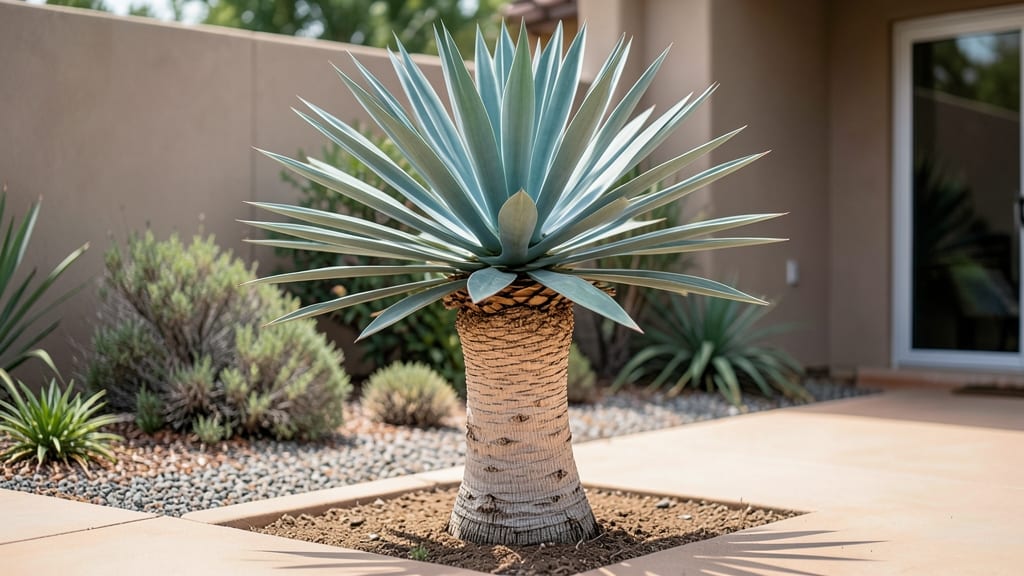
Yucca plants flower every 2–5 years once mature, but the timing depends on their age, care, and seasonal cues—so you might wait longer than expected.
Picture this: your 🌵 yucca stands tall and proud, its sword-like leaves catching the sun, but no sign of those dramatic spikes of white or cream blooms. You’re not alone—many gardeners in Zone 9b (like Phoenix) assume their yucca will flower annually, only to be disappointed.
The truth? Flowering is a seasonal event tied to maturity, sunlight, and even watering habits.
If your yucca is 5+ years old and thriving in full sun, it’s likely just biding its time. Younger plants or those stressed by overwatering may never bloom, while mature ones in ideal conditions can surprise you with multiple flower stalks in a single season.
Here’s how to nudge your plant toward those showstopping blooms—and what to avoid.
You’ll discover the exact triggers that force yucca flowering, from temperature thresholds to dormancy tricks, plus how to fix common mistakes that delay blooms. Ready to turn your 🌵 yucca into a flowering superstar?
Yucca flowering frequency: age, variety & growth stage rules
Yucca plants are known for their bold, sword-like foliage, but their flowering frequency often surprises gardeners. Most varieties bloom every 2–5 years once mature, though some may skip flowering entirely under poor conditions.
The key triggers? Age, variety, and growth stage—all factors I’ll break down to help you predict (and encourage!) those dramatic white or cream flower spikes.
First, plant age is critical. Yuccas typically won’t flower until they’re 5–7 years old and established with a robust root system. Younger plants focus energy on foliage growth, not blooms.
Even then, Yucca elephantipes (the most common variety) may take 7–10 years to flower, while Yucca rostrata (the palmleaf yucca) often blooms earlier, around 3–5 years. Patience is key—rushing the process can stress the plant.
Variety plays a huge role in flowering frequency. For example, Yucca filamentosa (Adam’s needle) blooms annually or biennially once mature, producing tall, branched flower stalks. Meanwhile, Yucca gloriosa (Spanish dagger) may flower every 3–4 years, with shorter, denser spikes.
Understanding your specific yucca variety helps set realistic expectations for bloom timing and care adjustments.
Here’s a quick reference for yucca flowering patterns by variety and growth stage:
A mature root system is non-negotiable for flowering. Yuccas store energy in their thick, fibrous roots, and without adequate storage, they’ll prioritize survival over blooms. Ensure your plant has well-draining soil and isn’t crowded—root-bound yuccas struggle to flower.
If you’re growing in containers, repot every 2–3 years to refresh the soil and encourage root expansion.
Sunlight exposure directly impacts flowering too. Yuccas need 6+ hours of full sun daily to trigger bloom production. Inadequate light delays or prevents flowering entirely. If your yucca is indoors near a window, rotate it weekly to ensure even light exposure. Outdoor plants in shaded spots may never bloom, no matter their age or variety.
One common misconception is that watering frequency controls flowering. While yuccas are drought-tolerant, gradual water stress in late summer can signal the plant to prepare for dormancy—and often prompts flowering the following season.
However, overwatering or inconsistent moisture levels can stress the plant and delay blooms. Aim for deep, infrequent watering (every 2–4 weeks) once established.
Finally, temperature fluctuations play a role. Yuccas native to arid regions often need a cool winter period (below 60°F) to break dormancy and trigger spring blooms. In warmer climates like USDA Zone 9b, mimicking this with reduced watering in winter can encourage flowering.
If you’re in a tropical climate, consider moving potted yuccas to a cooler spot for a few weeks to simulate natural conditions.
With the right age, variety, and growth conditions, your yucca will reward you with stunning blooms—just be patient! The wait is worth it for those dramatic, fragrant flower spikes that attract pollinators to your garden. 🌵
Seasonal triggers that force yucca blooms (even early!)
Yucca plants typically bloom every 2–5 years, but younger plants or those in less-than-ideal conditions may take even longer. The key to encouraging early blooms lies in understanding their seasonal triggers—specifically, how temperature shifts and watering patterns mimic their natural desert environment.
By fine-tuning these factors, you can coax even 5-year-old yuccas to flower ahead of schedule.
Yuccas are sensitive to day length and temperature, entering dormancy when nights cool below 60°F and waking up as days warm to 70–85°F. This shift signals the plant to produce flower stalks.
In arid climates like USDA Zone 9b, this happens naturally in late winter or early spring, but container-grown yuccas or those in cooler regions may need a little help.
- 🌡️ Temperature Swing: Move potted yuccas to a cool garage (50–60°F) for 6–8 weeks in winter to mimic dormancy, then return to 70–85°F in spring.
- 💧 Water Stress: Reduce watering to every 4–6 weeks in late fall, then resume normal care in spring to shock the plant into blooming.
- ☀️ Sunlight Boost: Ensure 6+ hours of direct sun daily—yuccas need intense light to store energy for flowering.
- 🌱 Root Stimulation: Gently scratch the soil surface with a fork in early spring to encourage root growth, which triggers flowering.
- 🌿 Potassium Feed: Apply a low-nitrogen fertilizer (5-5-5) in early spring to support flower development.
One of the most effective tricks is creating a dormancy period for container yuccas. In late fall, reduce watering and place them in a protected, unheated space (like a garage or shed) where temperatures hover around 50–60°F.
After 6–8 weeks, return them to full sun and warmer conditions—this mimics the natural desert winter and signals the plant to bloom.
Watering plays a critical role in triggering blooms. Yuccas are drought-tolerant, but gradual water stress in late fall can prompt flowering. Cut back to monthly deep waterings (2–3 liters per plant) and avoid overhead watering, which can cause fungal issues.
Once spring arrives, resume normal care—this shock-and-recovery cycle often spurs flower stalks within 8–12 weeks.
Don’t overlook the power of sunlight. Yuccas need 6+ hours of direct sun daily to store enough energy for flowering. If your plant is indoors, place it near a south-facing window or supplement with a grow light for 12–14 hours/day in winter.
Even outdoor yuccas in cooler climates may need a reflective surface (like a white wall) to maximize light exposure.
For non-flowering yuccas, combine these triggers: dormancy in winter, reduced watering, and full sun. Patience is key—some varieties like Yucca elephantipes may take 3–5 years to bloom after implementing these changes, while others like Yucca rostrata respond faster. Keep a garden journal to track progress! 🌸