
Flowers
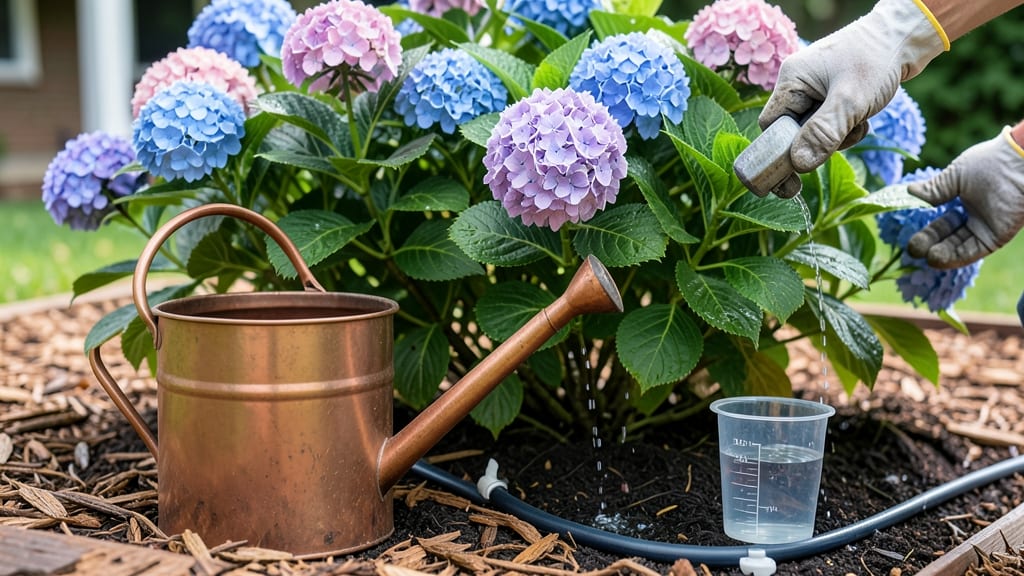
To water flowers properly, aim for about 1-2 inches of water per week, adjusted by plant type and soil—this is the sweet spot for most blooms in Zone 6a.
Overwatering or underwatering flowers can kill them faster than pests—yet most gardeners get it wrong because water needs vary wildly by plant type. Here’s the science-backed schedule to keep your 🌸 thriving without guesswork.
Annuals like petunias need consistent moisture, while succulents like sedum thrive on neglect. Clay soil holds water longer than sandy loam, and summer heat demands deeper, less frequent watering. The key is checking soil moisture before reaching for the hose.
Below, I’ll break down the exact schedule by flower type, how to spot over- or under-watering, and the smartest techniques to cut water waste—so you never drown or dehydrate your blooms again.
Watering requirements by flower type: a soil-based guide
Determining how much to water flowers depends on more than just plant type—your soil type plays a starring role. Clay soil holds moisture like a sponge, while sandy soil drains faster than a sieve.
Even annuals vs. perennials have wildly different needs, with succulents practically begging for neglect compared to tropical flowers that drink like camels. Let’s break it down so you can stop guessing and start thriving.
First, test your soil: Stick your finger 1 inch deep. If it’s dry, it’s time to water. If it’s damp, wait another day. Loamy soil (the Goldilocks of gardening) holds moisture just right, while sandy soil may need daily checks in summer. Clay soil?
Water deeply but less often—think marathon, not sprint. Adjusting for your soil type cuts water waste by 40% and keeps roots happy.
Annuals like petunias and marigolds crave consistent moisture—1 inch per week—while perennials such as black-eyed Susans can handle drought once established. Succulents and cacti? Water every 2-3 weeks (or when the soil is bone-dry). Tropical hibiscus and ginger lilies demand daily watering in heatwaves. Soil type tweaks these rules—sandy soil means more frequent watering, while clay soil lets you stretch intervals.
For annuals, aim for morning watering to prevent fungal diseases. Let the top 2 inches of soil dry between waterings—this mimics natural rainfall and encourages deep root growth. Perennials like black-eyed Susans thrive on deep watering twice a week during their first year.
Once established, they’ll survive on rainfall alone in most climates. Succulents? Water at the soil level, not the leaves, to avoid rot.
Tropical flowers like hibiscus and ginger lilies need daily attention in summer, especially in containers that dry out faster.
Use your finger to check moisture—if the top 1 inch feels dry, it’s time. Clay soil users: Water deeply but every 5-7 days to avoid waterlogging. Sandy soil gardeners should water lightly but frequently, almost like a mist.
Mulch helps retain moisture and reduces evaporation by 30-50%, saving you time and water.
Seasonal shifts matter too. In summer, increase watering by 50%—even drought-tolerant plants wilt faster. In winter, cut back to bi-weekly watering unless your flowers are evergreen. Bulbs like tulips need spring watering only—stop once foliage yellows.
Pro tip: Group plants with similar water needs together in your garden to streamline care.
Overwatering is the silent killer of flowers—yellowing leaves or mushy stems are red flags. Underwatering? Droopy petals and crispy edges scream for help. Adjust your schedule based on weather (heatwaves = more water) and soil feedback.
If your petunias look sad by noon, it’s time to up your game. For succulents, wrinkled leaves mean they’re thirsty, but soft, mushy stems mean you’ve drowned them.
Use a moisture meter
Signs your flowers are thirsty (or drowning) + fixes
Your flowers might be sending SOS signals without you realizing it. Wilted leaves don’t always mean thirst—sometimes they’re drowning in soggy soil. The key is learning the difference between underwatering and overwatering symptoms, which vary wildly by plant type.
For example, petunias droop when dry but also rot if overwatered, while succulents shrivel if touched with too much love.
Most gardeners make the mistake of watering on a schedule (e.g., "every Tuesday") instead of checking soil moisture. This leads to either root rot from excess water or stunted growth from dehydration.
The solution? Stick your finger 1-2 inches into the soil—if it feels dry, water; if it’s damp, wait. This simple test saves 90% of overwatering mistakes I see in gardens.
⚠️ Common Mistake: Watering by Time, Not Soil
Problem: Watering flowers at the same time daily ignores weather, soil type, and plant needs. A hot, windy day drains soil faster than a cool, cloudy one—yet many gardeners water blindly.
Fix: Always check soil moisture before watering. Clay soil stays wet longer; sandy soil dries out in hours. Adjust your schedule based on these cues, not your watch.
Start by examining your flowers’ leaves and stems. Underwatered plants often show crispy edges or leaves that feel paper-thin when touched. Overwatered flowers, however, develop yellowing leaves (chlorosis) or mushy stems from fungal infections. Mold or mildew on soil or leaves?
That’s your overwatering red flag. For annuals like zinnias, wilting by noon usually means they need water, but if they stay limp all day, the roots may be suffocating.
Don’t ignore the soil surface. Cracked, dry soil signals thirst, while a shiny, muddy top layer means you’re overdoing it. Potted flowers dry out faster than in-ground plants, so check their soil daily in summer.
Pro tip: Weigh your pots—if they feel light, they’re dry. For perennials like coneflowers, deep watering once a week encourages stronger roots, while shallow watering promotes weak, surface roots that wilt quickly.
Adjust your approach based on the season. In summer heat, most flowers need deep watering every 2-3 days, while spring and fall often require watering every 5-7 days. Winter-dormant flowers (like peonies) barely need water at all.
Pay attention to rainfall: If you’ve had 1 inch of rain, skip watering entirely for most plants. Use a rain gauge to track accumulation—it’s a game-changer for efficiency.
Here’s your quick-fix checklist to rescue struggling flowers: ☑️ Underwatered? Water deeply until moisture reaches 6 inches down. ☑️ Overwatered? Let soil dry out completely before watering again; trim moldy leaves. ☑️ Potted plants? Move them to a shadier spot to slow evaporation. ☑️ Clay soil? Amend with compost to improve drainage. ☑️ Sandy soil? Water more frequently but shallowly to retain moisture.
Remember: Healthy flowers should bounce back within 24-48 hours after proper watering. If they don’t, check for pests or disease next—sometimes the issue isn’t water at all. With these signs and fixes, your blooms will thrive without the guesswork. Happy gardening! 🌸