
Flowers
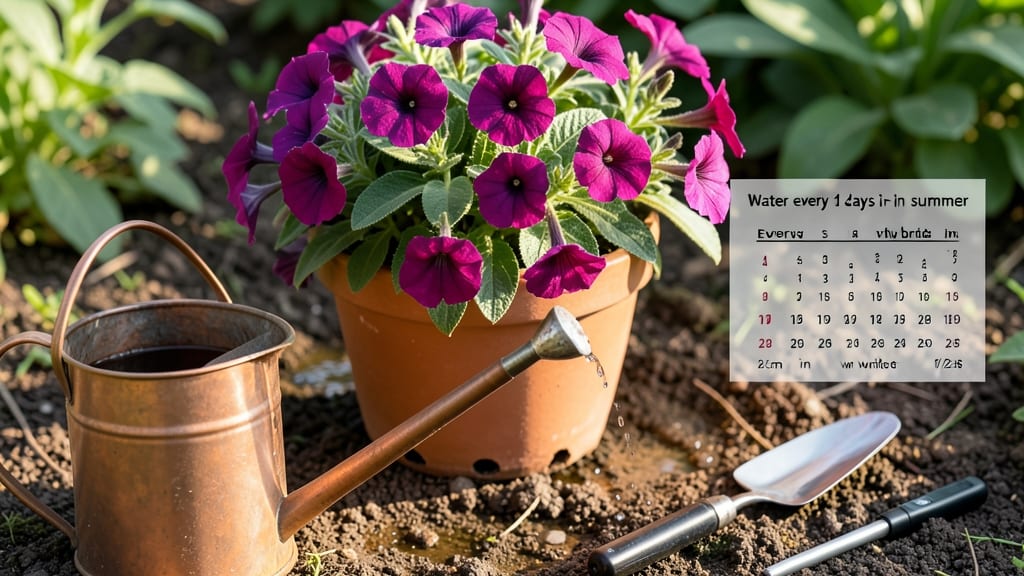
Watering potted flowers the right way keeps them thriving 🌸—but the schedule depends more on soil type than you might expect.
Struggling to keep your potted flowers alive? Overwatering or underwatering are the silent killers of container plants—but the right watering schedule depends more on soil type than you think.
Sandy soil drains fast and needs watering every 2-3 days, while clay holds moisture for 5-7 days. Even the same plant in the same pot can have wildly different needs depending on what’s in it.
Below, I break down the soil-based schedule, how to check moisture without guessing, and the one trick that prevents root rot while keeping your flowers happy all season.
Soil-based watering schedule: how often to water potted flowers by soil type
Your potted flowers might be thirsty—or drowning—without you realizing it. The soil type in your containers determines how quickly moisture evaporates, which directly impacts your watering routine. Sandy soil drains fast, while clay soil holds onto water like a sponge.
Even loamy soil, the gardener's gold standard, behaves differently in pots than in the ground. Let's break down the science so you can water with confidence, not guesswork.
First, understand that container size and seasonal heat also play roles, but soil composition is the foundation. For example, a 5-gallon pot with sandy soil might need watering daily in summer, while the same pot with clay soil could go 5 days without a drop.
The key is checking moisture levels 1 inch below the surface—not just the top layer that looks dry. Let's dive into the specifics for each soil type.
Why soil type matters: Sandy soil drains water in hours, loamy soil holds moisture for days, and clay soil can suffocate roots if overwatered. Your watering frequency should match your soil's natural behavior. For instance, geraniums in sandy soil may need water every 2 days in summer, while petunias in clay soil might thrive on weekly waterings. The difference? One plant dries out fast; the other stays soggy.
| Soil Type | Moisture Retention | Spring Watering | Summer Watering | Fall Watering | Winter Watering |
|---|---|---|---|---|---|
| Sandy Soil | Low (drains fast) | Every 1-2 days | Daily (morning) | Every 2-3 days | Every 7-10 days |
| Loamy Soil | Moderate (balanced) | Every 2-3 days | Every 2 days | Every 3-4 days | Every 10-14 days |
| Clay Soil | High (slow drainage) | Every 3-4 days | Every 3-5 days | Every 5-7 days | Every 2-3 weeks |
⚠️ Note: Adjust for pot size (smaller pots dry faster) and plant type (succulents need less water).
Spring is the transition season where your watering habits should shift from winter's dormancy to summer's thirst. If your pansies or violas are in sandy soil, you'll notice the top inch drying out by mid-morning—time to water.
For clay soil, wait until the soil feels dry 2 inches down; clay's tendency to compact can trap excess moisture, leading to root rot. Use your finger as a gauge: stick it in and feel for dampness.
Summer turns your pots into mini deserts, especially in sandy soil. I once killed a marigold because I assumed its wilting meant it needed water—only to realize it was sunburned from afternoon heat.
Water in the early morning to let foliage dry before evening, and consider self-watering pots for clay soil to prevent over-saturation. For loamy soil, a deep watering every 48 hours keeps roots happy without drowning them.
Fall slows plant metabolism, but don't cut watering too soon. Mums in sandy soil may still need weekly watering in early fall, while clay soil could stretch to 10 days between waterings.
Watch for yellowing leaves—a classic sign of overwatering in cooler months. If your potted chrysanthemums start dropping buds, they're likely thirsty; if leaves feel mushy, you've overdone it.
Winter watering is all about patience. Most potted flowers enter dormancy, and sandy soil can stay bone-dry for weeks.
Check moisture once a week by lifting the pot—if it feels light, water lightly. Clay soil retains moisture longer, so you might go 3 weeks without watering unless your home has forced heat. Group pots together to create a microclimate that retains humidity, reducing the need for frequent watering.
Pro tip: Mulch your pots with coco coir or straw to slow evaporation. A 1-inch layer on top of sandy soil can extend watering intervals by 2
5 Signs your potted flowers need water (and when to hold off)
Deciding when to water your potted flowers can feel like guessing—too much water drowns roots, while too little stunts growth. Instead of relying on a rigid schedule, learn to read your plants' visual cues and environmental clues.
The key is observing leaf texture, soil moisture, and even the weight of the pot. Each of these signals tells you whether your flowers are thirsty or just fine for now.
First, check the soil moisture by sticking your finger about an inch deep. If it feels dry, your flowers likely need water.
But if it’s still damp, hold off—overwatering is just as harmful. Leaf wilting is another clear sign, though it can also mean your plant is struggling with heat stress. Combine this with the pot’s weight; a lightweight container usually means it’s time to water.
- 1. Dry Soil: Stick your finger 1 inch deep—if dry, water immediately. Clay soil stays moist longer; sandy soil dries faster.
- 2. Lightweight Pot: Lift the pot—if it feels noticeably lighter, roots have absorbed most moisture. Terracotta pots lose weight faster than plastic.
- 3. Wilting Leaves: Soft, drooping leaves mean thirsty plants, but crispy edges signal underwatering. Morning wilting often recovers with water.
- 4. Cracked Soil: Surface cracks in loamy or clay soil indicate deep dryness. Break the crust gently before watering.
- 5. Slow Growth: Stunted new leaves or yellowing foliage can mean roots aren’t getting enough moisture. Adjust frequency based on season.
Don’t ignore the environmental factors either. Potted flowers in full sun dry out faster than those in shade, while high humidity levels can slow evaporation. If your home is dry, consider grouping pots together to create a microclimate.
Also, container material matters: terracotta wicks away moisture, while plastic traps it longer.
Sometimes, your flowers might not need water at all. If the soil is still damp and leaves look plump and green, resist the urge to water. Overwatering leads to root rot, which is harder to fix than dehydration.
Always check the drainage holes—if water pools at the bottom, your plant is getting too much.
Adjust your watering routine based on the season. In summer heat, you might water daily, while winter dormancy could stretch watering to once a week. Pay attention to how your specific flower varieties respond—succulents like sedum need far less than tropical impatiens.
When in doubt, observe your plants daily. The more you tune into their needs, the easier it becomes to strike the perfect balance. With these signs, you’ll keep your potted flowers hydrated without drowning them. 🌿