
Light Requirements
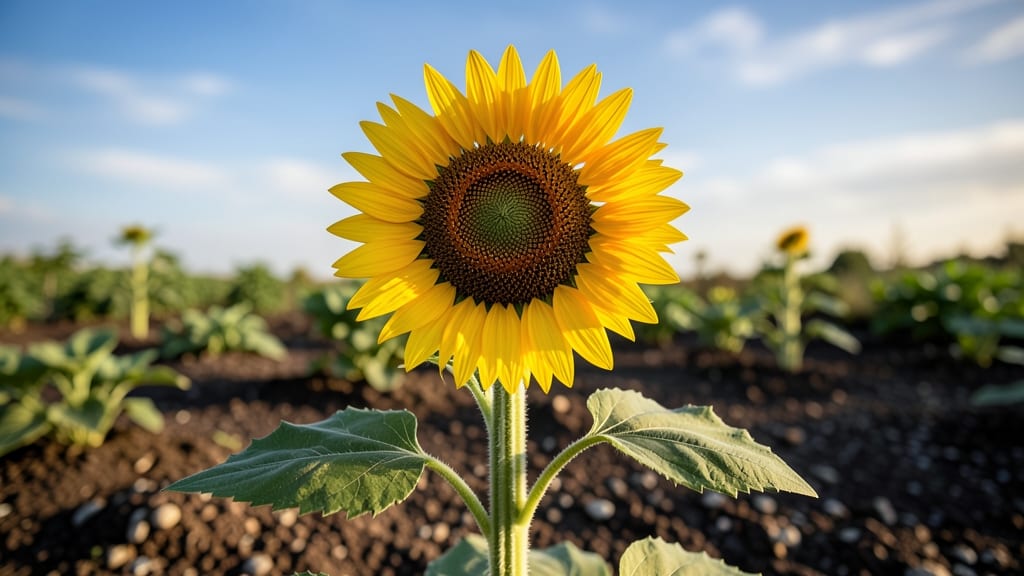
How much light does a sunflower need? The answer is 6 to 8 hours of direct sunlight daily to grow tall and vibrant 🌻 — anything less, and you’ll end up with weak stems and tiny blooms.
Picture this: you’ve just planted your sunflower seeds in April, dreaming of towering golden blooms by summer. But if they’re not getting enough light, those dreams will wilt faster than a shade-loving fern.
The good news? With the right placement and a few simple adjustments, you can turn even a partial-sun spot into a sunflower paradise.
Sunlight needs change as your sunflowers grow. Seedlings can handle a little less light, but once they reach 12 inches, they’ll demand full sun to reach their full height.
In Zone 6a, that means positioning them in the sunniest part of your garden or container — and if your space is limited, I’ll show you how to maximize every ray.
From leggy stems to pale petals, I’ll walk you through the signs your sunflowers aren’t getting enough light — and the easy fixes to keep them thriving. Let’s get those blooms shining bright!

Sunlight requirements for sunflowers by growth stage: hours and positioning
Sunflowers thrive under the sun like no other plant—they’re solar-powered giants that need full sun exposure to reach their towering potential. But their sunlight needs change dramatically from seedling stage to full bloom. Too little light at any stage stunts growth, while too much can scorch delicate leaves.
Let’s break down the exact sunlight hours your sunflowers need at every phase, plus how to position them for success in your garden.
First, understand that sunflowers are full-sun lovers, meaning they crave 6-8+ hours of direct sunlight daily. However, young seedlings are more sensitive than mature plants. In hot climates, afternoon shade can prevent leaf burn, while cooler regions may benefit from all-day sun.
The key is balancing intensity with duration—especially as your sunflowers grow taller and their light requirements shift.
| Growth Stage | Sunlight Hours | Positioning Tips | Climate Adjustments |
|---|---|---|---|
| Seedling (0-2 weeks) | 4-6 hours | Partial shade (e.g., dappled sunlight under trees) | Hot climates: morning sun only |
| Vegetative (3-6 weeks) | 6-8 hours | South-facing spot with direct sun (6 AM–4 PM) | Cool climates: extend to 10 hours if possible |
| Flowering (7-10 weeks) | 8-10+ hours | Full sun exposure (e.g., open field or trellis) | Desert areas: afternoon shade cloth (30% shade) |
| Mature (10+ weeks) | 6-8 hours (maintenance) | Southwest exposure to avoid leaf scorch | Northern climates: supplemental grow lights in winter |
For seedlings (0-2 weeks), aim for 4-6 hours of indirect light to prevent stress. Place them in a protected spot like under a lightweight shade cloth or near a south-facing window if growing indoors.
Direct midday sun can overheat young plants, causing wilting or even death. Think of this stage as their "sunflower nursery"—gentle light builds resilience.
Once seedlings reach 3-4 inches tall, transition them to 6-8 hours of direct sun over 7-10 days. This gradual hardening-off process strengthens their stems and leaves.
In my garden, I move trays to a south-facing raised bed by late morning, bringing them back indoors before 2 PM to avoid heat stress. Watch for deep green leaves and sturdy stems—they’re ready for full sun!
During the vegetative stage (3-6 weeks), your sunflowers will double in height if given 8+ hours of sunlight. This is when they bolt upward, and their light requirements peak.
Position them in the sunniest part of your garden, like a south-facing slope or open field. If your yard has partial shade (e.g., near a fence or tree), choose dwarf varieties like 'Teddy Bear'—they tolerate 4-6 hours of sun better than giants.
When buds form (7-10 weeks), your sunflowers need maximum sunlight to trigger blooming. At this stage, 8-10+ hours of direct light is ideal. In hot climates, provide afternoon shade (30-50% shade cloth) to prevent leaf scorch.
I’ve seen sunflowers in Arizona gardens wilt dramatically when temperatures exceed 95°F (35°C) without protection. A simple white shade cloth can save your plants while still allowing 90% light penetration.
Mature sunflowers (10+ weeks) enter a maintenance phase where they only need 6-8 hours of sun to sustain their flower heads. However, seed production requires more light—10+ hours if you’re growing sunflowers for birdseed or oil.
In northern climates (USDA Zones 1-4), extend daylight with LED grow lights placed 12-18 inches above the plants for 12-14 hours daily.
Positioning matters just as much as hours. For optimal growth, face sunflowers toward the southwest in the Northern Hemisphere. This angle maximizes morning sunlight (cooler and gentler) while minimizing harsh afternoon rays.
In containers, use wheelbarrows or plant stands to elevate pots—this improves airflow and light exposure at the base. Avoid placing them near tall structures like sheds or fences that cast long shadows.
Pro tip: Rotate your sunflowers every 2-3 days if growing in containers. This ensures even light exposure and prevents them from leaning toward the sun. I once grew a 12-foot '
Signs your sunflowers aren’t getting enough light (and how to fix it)
Sunflowers are sun worshippers—when they don’t get enough light, their growth becomes a sad shadow of their potential. Leggy stems, pale yellow leaves, and small buds are all red flags.
Even worse, they may stop flowering entirely, leaving you with nothing but tall, skinny stalks. If your sunflowers look like they’re stretching toward the sky like sleepy cats, it’s time to act.
First, check their current location. Sunflowers thrive in full sun (6-8+ hours daily), but many gardeners accidentally place them in partial shade—especially near trees, fences, or tall buildings.
Even a few hours less sunlight can stunt their growth. Morning sun is ideal, but afternoon heat can scorch leaves, so balance is key. If your garden lacks direct sunlight, don’t panic—there are fixes!
⚠️ callout-warning
Seedlings: 4-6 hours of bright, indirect light (e.g., east-facing window or dappled shade).
Mature Plants: 6-8+ hours of direct sun daily for strong stems and large blooms.
Low-Light Tolerance: 3-4 hours max—any less, and growth will suffer. Use supplemental grow lights (12-16 hrs/day) for indoor plants.
One of the first signs of light deprivation is elongated stems with sparse leaves. This happens when sunflowers stretch toward any available light source, a condition called etiolation. If you notice this, move your plants to a sunnier spot immediately.
Even an extra 2-3 hours of sunlight can make a difference. For container-grown sunflowers, rotate them daily to ensure even light exposure on all sides.
Another clue is pale or yellowing leaves, especially on the lower stems. Sunflowers need sunlight for photosynthesis, and without it, they can’t produce enough energy. If leaves turn yellow (chlorosis), it’s often a sign of nutrient deficiencies caused by poor light absorption.
In this case, a balanced fertilizer (10-10-10) can help, but relocating the plant to a sunnier area is the real solution.
If your sunflowers are already in the best spot but still struggling, consider supplemental lighting. LED grow lights are affordable and effective—place them 6-12 inches above the plants for 12-16 hours daily.
For outdoor gardens, try reflective surfaces like white walls or mirrors to bounce extra light onto shaded areas. Even a few hours of reflected sunlight can improve growth.
Lastly, don’t forget to thin your plants if they’re crowded. Overcrowding blocks light from reaching the inner stems, creating more shade. Space sunflowers 12-18 inches apart to ensure each plant gets its share of sunlight.
If you’re growing them in containers, choose large pots (at least 12 inches deep) and place them in the sunniest part of your patio or balcony.
With the right light conditions, your sunflowers will reward you with bold blooms and towering stems. Keep an eye on their growth habits, and don’t hesitate to adjust their location or add supplemental light if needed. Your sunflowers will thank you with a face-turning display! 🌻