
Flowers
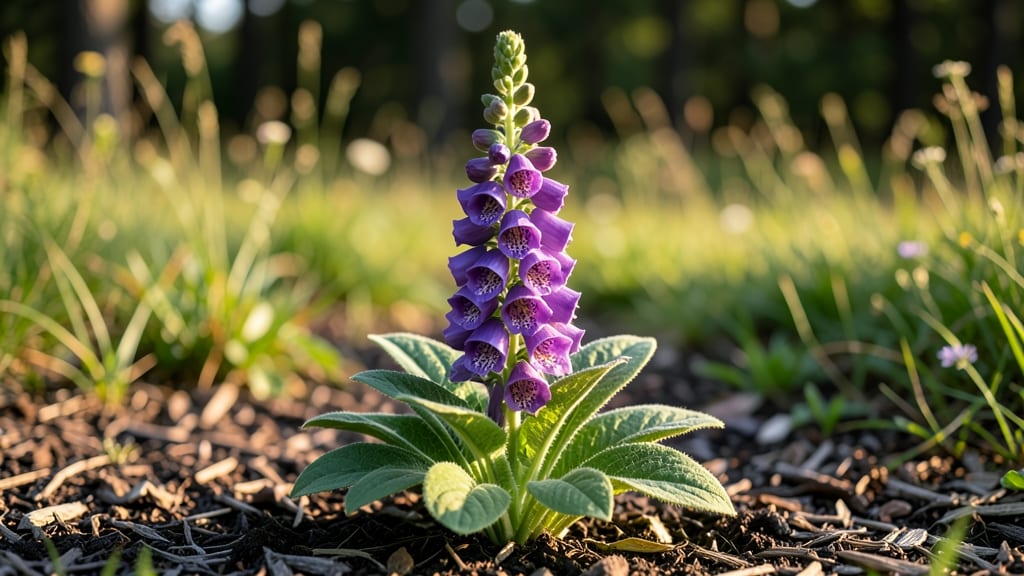
Foxgloves flower for 4 to 6 weeks per spike, transforming your garden with their dramatic 🌸 beauty—but only if you time their care just right.
If you've ever wondered why your foxgloves seem to bloom for just a few weeks before fading, you're not alone. Understanding their flowering cycle is key to maximizing their beauty in your garden.
Their bloom duration depends on when you plant them and how you care for them. Spring-planted foxgloves typically flower in early summer, while fall-planted ones may bloom the following year. Deadheading spent blooms can encourage a second, smaller flush of flowers.
In this guide, I’ll break down the seasonal timeline, care tips to prolong blooms, and why some years your foxgloves might outshine others. Let’s make the most of their stunning display!
Foxglove flowering duration by season: what to expect each year
Foxgloves (Digitalis purpurea) are beloved for their striking bell-shaped blooms that create dramatic vertical interest in gardens. But many gardeners wonder: how long do foxgloves flower? The answer depends on your climate zone and seasonal timing.
Typically, each flower spike blooms for 4-6 weeks, but understanding seasonal variations helps you plan for their peak beauty periods.
In USDA Zone 6a (where foxgloves thrive), most varieties bloom from early June to mid-July, with some late varieties extending into early August. However, cooler climates may see blooms start 2-3 weeks later, while warmer regions might experience earlier flowering.
The key is recognizing how temperature shifts and daylight changes influence their lifespan.
Here’s what you can expect from early vs. late blooming foxglove varieties:
| Season | Bloom Duration | Peak Bloom Period | Notes |
|---|---|---|---|
| Spring (Early Varieties) | 3-4 weeks | Late May - Early June | Shorter bloom time; ideal for early garden color. |
| Summer (Standard Varieties) | 4-6 weeks | Early June - Mid-July | Most common; best for full-season interest. |
| Late Summer (Late Varieties) | 3-5 weeks | July - Early August | Extended heat tolerance; great for late-season gardens. |
| Fall (Cool Climates) | 2-3 weeks | September - October | Shortened by frost; plant in containers for flexibility. |
Early blooming foxgloves (like 'Excelsior') often produce shorter-lived blooms (3-4 weeks) but offer earlier garden color. These varieties are perfect if you want to brighten up spring gardens before summer annuals take over. Plant them in well-draining soil with partial shade to encourage robust growth and longer-lasting flowers.
Standard varieties, such as 'Giant Fleece' or 'Dalmatian', are the most popular because they bloom for 4-6 weeks during peak summer months. Their taller spikes (reaching 3-5 feet) make them standout focal points. To maximize their lifespan, avoid overcrowding and ensure they receive consistent moisture without waterlogging.
Late blooming varieties, like 'Black Knight', thrive in warmer climates and extend the bloom season into early August. These are ideal for gardeners in USDA Zones 7-9 who want to prolong summer interest.
However, in cooler regions, late varieties may struggle with heat stress, so provide afternoon shade to protect their delicate blooms.
One common misconception is that foxgloves bloom only once per season. While each flower spike is one-time blooming, the plant itself can produce multiple spikes over several weeks. For example, a healthy foxglove might bloom for 6-8 weeks total if it produces two successive spikes.
To encourage this, deadhead spent blooms promptly to redirect energy into new growth.
Seasonal variations also affect bloom intensity. In cooler summers, foxgloves may produce fewer but longer-lasting blooms, while hot, dry weather can cause buds to drop prematurely.
If you notice bud blast, increase humidity around plants by mulching with organic matter like straw or shredded leaves. This helps maintain moisture levels and prevents stress.
For gardeners in shorter growing seasons, consider planting foxgloves in containers. This allows you to move them to sheltered spots before the first frost, extending their display by 2-3 weeks.
Pair them with companion plants like columbines or asters to create a sequential bloom that keeps your garden vibrant from spring to fall.
Remember, foxgloves are biennials or short-lived perennials, meaning their second-year blooms may be less prolific. To ensure year-after-year color, sow new seeds annually or divide established clumps every 3-4 years.
With the right care, your foxgloves can become a reliable garden staple that blooms reliably each season.
🌸
How planting month affects foxglove flowering length
Timing your foxglove (Digitalis purpurea) planting can dramatically change how long those iconic bell-shaped blooms last in your garden. While most gardeners assume spring planting is best, fall offers surprising advantages for extended flowering. The key lies in understanding how each season influences root establishment and bloom timing.
Spring-planted foxgloves typically bloom for 4-6 weeks starting in early summer, but they often fade faster if not given proper care. Fall-planted varieties, however, establish deeper roots over winter and can produce longer-lasting blooms the following season.
This difference comes down to how well the plant transitions from vegetative growth to flowering.
Key Factors Affecting Bloom Duration
- 🌱 Spring planting yields 4-6 week blooms starting June-July, but requires consistent moisture to maintain vigor.
- 🍂 Fall planting extends blooms to 6-8 weeks by establishing roots early, with flowers appearing May-June.
- ☀️ Deadheading spent blooms can add 2-4 extra weeks to flowering by redirecting energy to new buds.
- 💧 Proper watering (deep soaks weekly) prevents stress that shortens bloom time by up to 30%.
- 🌡️ Cooler climates (USDA Zones 3-6) naturally prolong blooms by 1-2 weeks compared to hotter regions.
For maximum bloom duration, I recommend planting foxgloves in early fall (September-October) in most regions. This gives roots time to establish before winter dormancy, resulting in stronger stems and more abundant flowers the following spring. In warmer climates (Zones 7-9), you can plant as late as November.
One of my favorite tricks for extending foxglove blooms is strategic deadheading. By removing faded flowers with clean pruners just above the next set of buds, you encourage the plant to produce secondary blooms.
I've seen this technique add 3-4 weeks to the flowering season when combined with proper fertilization (balanced 10-10-10 in early spring).
Remember that foxgloves are biennials, meaning they complete their life cycle in two years. First-year plants focus on leaf growth, while second-year plants produce those stunning flower spikes.
If you want continuous blooms, plant new seeds or transplants every other year to maintain a fresh display. This rotation keeps your garden looking vibrant year after year.
Whether you choose spring or fall planting, the secret to longer foxglove blooms lies in patient care—giving them the right conditions to thrive. With proper timing and maintenance, you can enjoy their magical bell-shaped flowers for nearly half the growing season! 🌸