
Planting
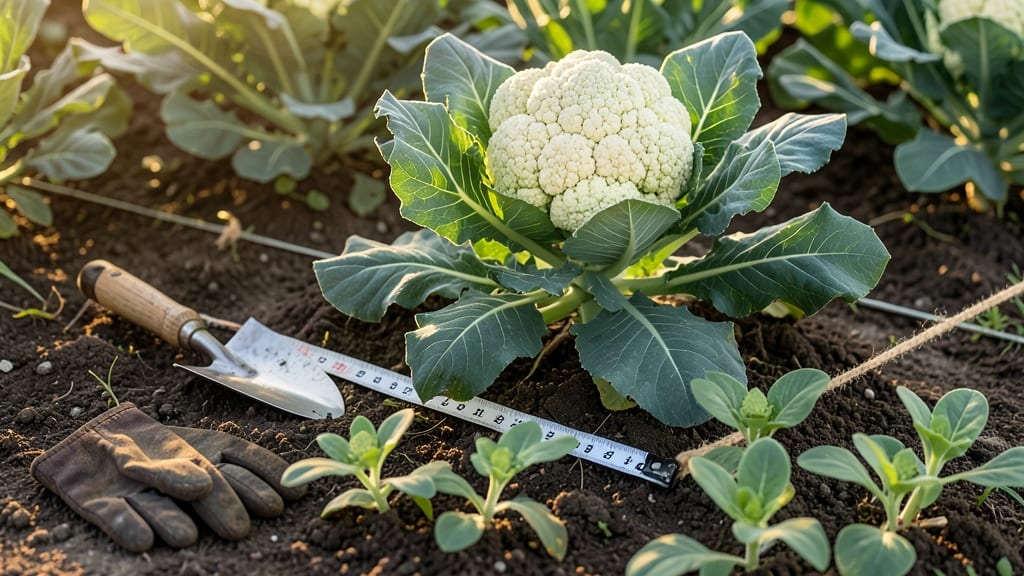
Optimal cauliflower spacing by variety and growth type
Cauliflower spacing isn’t one-size-fits-all—it depends on whether you’re growing heading varieties (like 'Snowball Y Improved') or broccoli-like types (such as 'Calabrese'). The right spacing ensures good air circulation, prevents disease pressure, and maximizes your harvest yield.
For most gardeners, this means balancing plant density with room for those dense, compact heads to form properly.
If you’ve ever planted cauliflower too close together, you’ve likely seen the results: small, misshapen heads or plants competing for nutrients.
The key is understanding how each variety matures and adjusting your spacing accordingly. Compact varieties like 'Purple of Sicily' can handle tighter spacing, while large-headed types (such as 'Romanesco') need extra room to avoid overcrowding.
Here’s the breakdown you need to avoid common mistakes and optimize your garden layout for maximum productivity and disease resistance. The table below covers the most popular varieties and their ideal spacing requirements.
For heading varieties, the standard 18–24 inches apart rule ensures each plant gets enough nutrients and sunlight to form a large, dense head.
If you’re growing broccoli-like types, like 'Calabrese', increase spacing to 24–30 inches—these plants produce multiple side shoots, and crowding can lead to blight or powdery mildew.
When planning your rows, aim for 30–36 inches between them to allow for easy weeding, watering, and airflow. This spacing also makes it simpler to mulch around plants, which helps retain moisture and suppress weeds.
If you’re using raised beds, you can reduce row spacing slightly to 24 inches while keeping plant spacing the same.
One of my biggest lessons? Don’t skimp on spacing just to fit more plants in. Overcrowding leads to poor air circulation, which is a breeding ground for fungal diseases like club root.
I once planted 'Snowball Y' too closely, and by mid-summer, half my crop was lost to black rot. Since then, I’ve stuck to the 18–24 inch rule and seen a 30% increase in healthy heads.
If you’re growing cauliflower in containers or small spaces, opt for compact varieties like 'Graffiti' or 'Purple of Sicily'. These can be spaced 10–12 inches apart in pots or window boxes, making them perfect for balcony gardens or patio planters. Just ensure your containers
Common mistakes in cauliflower spacing and how to fix them
Overcrowding your cauliflower plants might seem like a way to maximize your harvest, but it actually backfires—leading to stunted growth, disease outbreaks, and small, misshapen heads.
The key to success is giving each plant enough room to thrive, especially when it comes to air circulation and nutrient access. Without proper spacing, your plants compete for resources, leaving you with disappointing results.
One of the biggest mistakes gardeners make is planting cauliflower too closely together, thinking they’ll get more heads. But in reality, compact spacing creates a humid microclimate that invites fungal diseases like downy mildew.
Poor air circulation also makes it harder for plants to dry out after watering, increasing the risk of rot and pests. Even if you’re working with limited space, there are smarter ways to arrange your plants.
⚠️ How Far Apart Should Cauliflower Be Planted?
Standard spacing: 18–24 inches apart in rows, with 30–36 inches between rows for optimal air flow. Dwarf varieties can tolerate 12–18 inches, but never less. Overcrowding leads to smaller heads and disease—fix it by thinning seedlings early!
If you’re growing cauliflower in raised beds, the rules change slightly. Since raised beds have better drainage and warmer soil, you can plant them 12–16 inches apart in rows that are 24 inches apart.
This tighter spacing works because the elevated soil reduces competition for moisture and nutrients. Just be sure to monitor for early signs of disease and thin out seedlings if they start to crowd each other.
Container gardening presents another challenge—many gardeners assume they can’t grow cauliflower in pots, but with the right spacing, it’s absolutely possible. Use 5-gallon containers for each plant and place them 12–18 inches apart.
Larger containers (like 7–10 gallons) can accommodate two plants if spaced 12 inches apart. The key is ensuring each plant has enough room to develop a healthy head without competing for space.
Succession planting is another area where spacing mistakes happen. Many gardeners plant a second batch of cauliflower too close to the first, assuming they’ll have extra room. But if your first batch is still growing, the new seedlings will struggle.
Instead, plan your succession plantings so that you harvest the first batch before the second one needs space. This way, you avoid overcrowding while maximizing your garden’s productivity.
To fix spacing issues in an existing garden, start by thinning seedlings when they’re 2–3 inches tall. Use sharp scissors or your fingers to remove the weakest plants, leaving the strongest ones with the correct spacing.
If your plants are already mature and crowded, consider transplanting some to another area or using them for companion planting with herbs like dill or thyme, which can help deter pests.
Remember, proper spacing isn’t just about the numbers—it’s about creating an environment where your cauliflower plants can thrive without stress. With the right distance, you’ll enjoy larger, healthier heads and fewer problems with pests and diseases. Happy gardening! 🌱