
How To
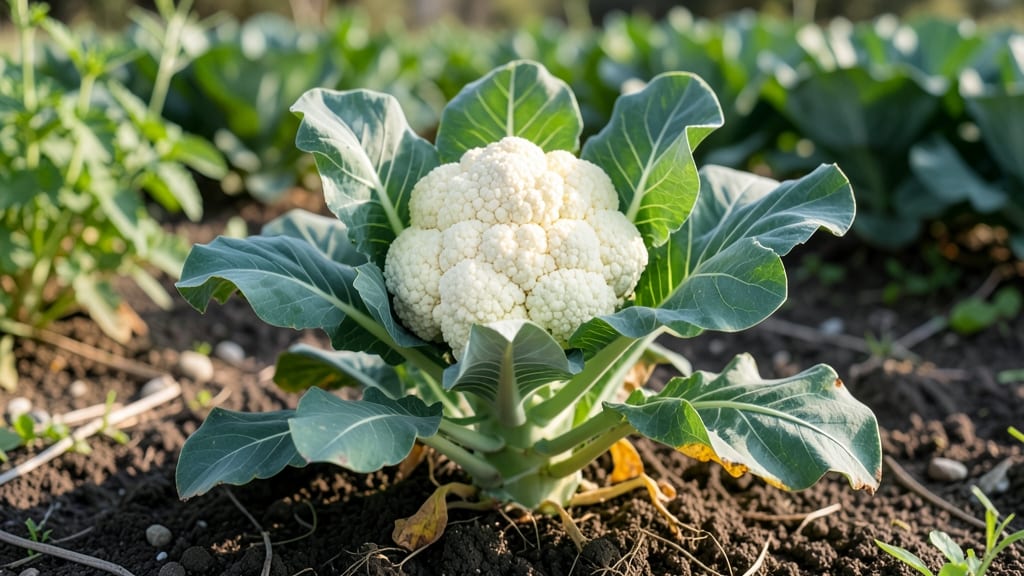
To know when cauliflower is ready to pick, look for a firm, tightly packed head with vibrant color and yellowing outer leaves—these are the key signs your 🥬 is at its peak.
Harvesting cauliflower at the perfect moment means creamy, flavorful heads instead of tough, bitter curds—so how do you know when it's time to pick? One wrong move, and you could end up with a head that's either too small or already past its prime.
Start by checking the head size: it should be 6-8 inches wide and feel heavy for its size. The buds should stay tightly closed, and the color should be consistent—no browning or yellowing. If the outer leaves are turning yellow and dying back, that’s another clear signal.
Below, I’ll walk you through the 5 key signs your cauliflower is ready, common mistakes to avoid, and how to harvest without damaging future growth—so you can enjoy that perfect, tender head.
5 Key signs your cauliflower is ready for harvesting
Harvesting cauliflower at the right moment transforms your garden into a treasure trove of creamy, flavorful heads. But timing is everything—pick too early, and you’ll get undersized curds; too late, and they turn tough or bitter.
The secret lies in visual and tactile cues that reveal when your plant is begging to be harvested. I’ve learned these signs through years of trial and error (and a few too many overripe heads), so let me share how to spot the perfect moment without damaging your plant.
First, focus on the head’s size and density. A ready-to-harvest cauliflower should feel heavy for its size, like a well-packed snowball. The curds should be tightly packed, with no gaps between the buds.
If you gently press the head and it feels firm—not mushy or rubbery—you’re on the right track. This tactile check is non-negotiable because it tells you the head has reached its ideal stage of development.
Skipping this step often leads to disappointment, especially with varieties like Romanesco or Purple Cape, which can turn woody if left too long.
Now, let’s talk about the leaf color and condition. The outer leaves surrounding the head should start to yellow and die back naturally. This is your plant’s way of signaling, “Hey, it’s time to pick me!”
Healthy green leaves mean the head isn’t ready yet, while brown or wilted leaves suggest you’ve waited too long. I once ignored this sign and ended up with a head that split open—lesson learned!
The transition from green to yellow is subtle, so check your plants every 2-3 days during the final weeks of growth.
Head Size & Firmness
The head should be 6-8 inches wide and feel heavy and dense. Press gently—it should resist with a slight give, not feel mushy or hollow.
Leaf Color Change
Outer leaves should turn yellow or brown and start dying back. Green leaves mean it’s not ready; crispy brown leaves mean you’ve waited too long.
Bud Closure
The buds on the head should be tightly closed. If they’re starting to open or flower, the head will become bitter and tough.
Stem Firmness
Grasp the stem near the base—it should feel sturdy and thick. A thin or hollow stem means the head isn’t fully developed.
Color Consistency
The head should have a uniform color (white, purple, or green). Any browning or yellowing means it’s past its prime.
The bud closure is another critical clue. A fully ripe cauliflower head has buds that are tightly packed and haven’t started to open. If you see any yellow flowers or blooming florets, it’s a clear sign you’ve missed the window.
These open buds signal the plant is shifting its energy from head production to seed development, resulting in a bitter, woody texture. I once let my Snowball Y Improved variety go this far, and the taste was so disappointing I swore off cauliflower for a season—until I learned better!
Don’t overlook the stem firmness either. A ready-to-harvest cauliflower has a thick, sturdy stem that feels solid when you grasp it near the base. If the stem is thin or hollow-sounding, the head likely hasn’t reached its full potential.
This is especially important for dwarf varieties, which have smaller stems and can be trickier to assess. Pro tip: Use your thumb and forefinger to gently squeeze the stem—it should feel like a firm pencil, not a bamboo shoot.
Finally, pay attention to the color consistency of the head. Whether you’re growing white, purple, or green cauliflower, the color should be even and vibrant. Any patches of browning or yellowing are red flags that the head is overripe.
I’ve seen gardeners mistake these color changes for ripeness, only to harvest a head that’s already past its peak. To avoid this, check your cauliflower heads every 2-3 days during the final week of growth—consistency is key!
One common mistake I see is assuming that size alone determines readiness. A head might be large but still loose or pale inside. Always combine size, firmness, leaf color, and bud closure for the most accurate assessment.
And remember: morning is the best time to harvest because the heads are firmer and cooler, making them easier to cut cleanly. If you’re unsure, it’s better to harvest a day early—you can always cook with slightly underripe cauliflower, but overripe heads are a lost cause.
Once you’ve confirmed all five signs, it’s time to harvest! Use a sharp knife to cut the stem about 1-2 inches below the head, leaving the lower leaves intact. This encourages the plant to produce a second head in some varieties, giving you a bonus harvest.
But if your plant looks tired or the leaves are heavily yellowed, it’s best to pull it up entirely. With these signs in mind, you’ll never miss the perfect moment to pick cauliflower again—just imagine the satisfaction of serving up a head that’s creamy, tender, and bursting with flavor.
Common mistakes that ruin your cauliflower harvest
One of the biggest mistakes gardeners make with cauliflower is waiting too long to harvest. When you delay past the ideal window, those tight, creamy curds turn tough, bitter, and stringy.
The flavor profile shifts dramatically—from sweet and delicate to woody and unpleasant. I’ve seen beautiful heads go from restaurant-worthy to inedible in just 3-5 days if left unchecked.
On the flip side, harvesting too early is just as damaging. You’ll end up with undersized heads that lack the full, rich flavor you’re craving. The buds won’t develop properly, leaving you with loose, uneven curds.
Even worse, the plant’s energy isn’t fully invested in that head, meaning you’re missing out on the maximum yield your hard work deserves.
⚠️ callout warning
- Size: Head should be 6-8 inches wide (varies by variety)
- Color: Consistent white, purple, or green (no browning)
- Leaves: Outer leaves yellowing and dying back
- Texture: Curds feel firm and tightly packed (no gaps)
🚨 Warning: If the head starts opening up or turns yellow/brown, it’s past prime!
Another silent killer of your harvest is overcrowding the plants. When cauliflowers compete for nutrients and sunlight, they prioritize leafy growth over head development. I’ve seen gardens where plants produced tiny, deformed heads because they were packed too closely.
Always space them 18-24 inches apart to give each plant room to thrive.
Don’t forget about weather conditions either. Harvesting after a hot spell or before a cold snap can stress the plant and ruin the texture. I learned this the hard way when a late-summer heatwave turned my perfectly good heads into mushy messes.
Always check the forecast and aim to harvest on a cool, cloudy morning for the best results.
Finally, ignoring side shoots after your main harvest is a missed opportunity. Many cauliflower varieties produce secondary heads if you trim the main stalk properly. I’ve harvested 2-3 heads per plant by keeping an eye out for these smaller shoots. Just be patient—they’ll take 3-4 weeks longer to mature.
By avoiding these common mistakes, you’ll transform your cauliflower harvest from disappointing to delicious—every time. The key is staying vigilant and acting at the right moment. 🥬