
How To
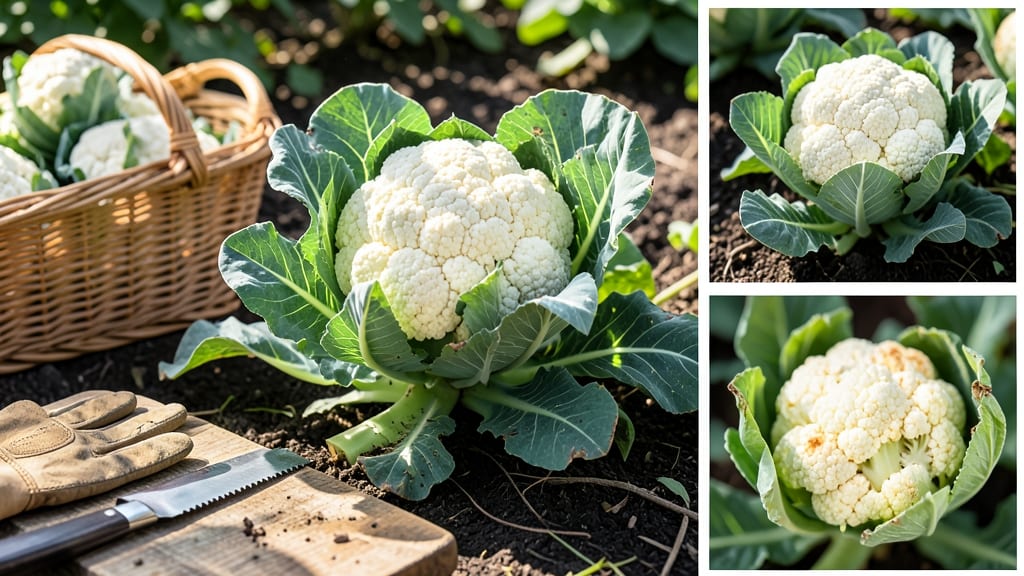
Knowing when to harvest cauliflower 🥬 means the difference between a crisp, flavorful head and a tough, bitter mess—so here’s how to tell it’s truly ready.
You’ve been watching your plants, counting the days, and now the curds are growing fast. But how do you know if they’re perfect or still waiting? The answer isn’t just about size—it’s about color, texture, and even the leaves.
One wrong move, and you’ll end up with a head that’s either too small or past its prime.
In this guide, I’ll walk you through the visual cues that guarantee a perfect harvest—like the right curd size, leaf color, and firmness—plus how to test for flavor before cutting. No more guessing, no more wasted effort.
By the end, you’ll confidently pick your cauliflower at the ideal moment, ensuring every bite is as fresh and tender as possible. Let’s get started.
5 Visual & physical signs your cauliflower is perfectly ripe
Harvesting cauliflower at the right moment transforms your garden into a flavor factory. The key lies in five clear visual and physical cues that tell you when the head is at its peak—before it turns tough or bitter.
I’ve learned from experience that ignoring these signs can mean the difference between a tender, snow-white curd and a woody, overgrown mess.
First, let’s address the most common mistake: assuming size alone determines readiness. A 6-8 inch diameter is ideal, but the real test is the internal tightness of the curd.
If you wait too long, those tight florets will loosen, and your cauliflower will start tasting like regret. Let’s break down what to look for—step by step.
🌱 Numbered Highlights: 5 Signs of Perfectly Ripe Cauliflower
- Curd Color Consistency: A fully ripe cauliflower will have a uniform color—whether white, purple, or orange—with no green streaks. Check the center florets for evenness.
- Size Between 6-8 Inches: Measure the widest part of the head. Smaller than 6 inches? It’s underdeveloped. Larger than 8 inches? It’s likely past its prime.
- Tight Floret Formation: Gently press the outer florets. They should feel firm and compact, not loose or crumbly. Loose florets mean it’s overripe.
- Healthy Outer Leaves: The leaves surrounding the head should be vibrant green, not yellowing or browning. Yellow leaves signal stress or overmaturity.
- No Visible Bolting: If the central stem starts elongating or flowering, it’s a sign the plant is bolting—a common issue in heat. Harvest immediately to avoid bitterness.
Now, let’s talk about texture, because this is where many gardeners trip up. A ripe cauliflower head should feel solid and dense when you squeeze it gently. If it gives slightly or feels spongy, it’s overripe.
I once harvested a head that looked perfect but had a mushy center—turns out, it had been sitting in the heat for too long.
Don’t overlook the leaves either. The outer leaves should still be lush and green, not wilting or turning yellow. If you see brown spots or crispy edges, it’s a red flag. These leaves protect the head, and their health directly impacts the quality of your harvest.
In my garden, I’ve found that removing just the bottom few leaves (without damaging the head) helps improve airflow and prevents rot.
One trick I’ve picked up from fellow gardeners is the "finger test." Slide your thumb and index finger into the center of the head. If the florets are tightly packed with no gaps, it’s ready.
If they’re loose or crumbly, wait a few more days—or harvest what you’ve got if it’s close. This test works especially well for purple or orange varieties, which can be trickier to judge by color alone.
Timing is everything, so pay attention to the weather. Harvesting on a cool morning (after dew has dried) ensures the head stays crisp. If temperatures are soaring above 85°F, your cauliflower may bolt prematurely.
In my zone 6a garden, I’ve had to harvest early in July to avoid this issue. If you’re growing Romanesco cauliflower, its unique fractal pattern will fully develop just before harvest—another visual cue to watch for.
Finally, let’s troubleshoot. What if your cauliflower head is split or irregularly shaped? This often happens due to inconsistent watering or nutrient deficiencies. If the head is too small, it might need more phosphorus-rich fertilizer (like a 5-10-10 blend) applied 4-6 weeks after planting.
And if the outer leaves are yellowing but the head looks good, it’s likely just senescing naturally—harvest it anyway!
Mastering these signs takes practice, but once you’ve nailed them, you’ll be harvesting perfect cauliflower heads like a pro. The key is to act quickly—once you spot these cues, grab your knife and get to work before the head has a chance to overmature.
Your taste buds will thank you! 🥬
How to test cauliflower readiness: the taste & touch method
Once your cauliflower heads reach the right size, don’t rush to harvest—your fingers and taste buds are your best tools. The touch test reveals firmness, while a small taste sample confirms flavor.
Many gardeners skip these steps and harvest based on size alone, leading to disappointment. I’ve learned the hard way that a 6-inch head isn’t always ready, but a firm, flavorful one is.
Start by gently squeezing the curd between your thumb and forefinger. It should feel solid, like a ripe avocado, not mushy or hollow. If it gives slightly under pressure, it’s still maturing.
For purple or orange varieties, the firmness test is even more critical—their colors can be deceiving. This tactile check is your first line of defense against overripe cauliflower.
⚠️ callout warning ⚠️
If you wait until the head is 8+ inches, the curds turn tough and develop a bitter taste. The outer leaves will yellow first—this is your last warning before the plant diverts energy to seeds. For Romanesco varieties, the fractal patterns become less distinct as they overmature.
Pro Tip: Use a sharp knife to cut a small slice from the side of the head. If the flesh is pale and crisp, it’s ready. If it’s yellowing or fibrous, wait 1-2 more days.
Next, perform the taste test—this is where many gardeners get surprised. Cut a small piece from the outer edge of the curd (avoid the center, which may mature slower). The flavor should be mildly sweet with a clean, fresh taste.
If it’s bland or slightly bitter, the head needs more time. For heirloom varieties, this test is especially important—they develop complex flavors at peak ripeness.
Don’t ignore the leaf signals either. Healthy outer leaves should remain vibrant green and slightly overlapping. If they start yellowing at the edges or curling, the plant is signaling it’s time to harvest.
I once let my Purple of Sicily go too long, and the leaves turned brown—by then, the curd was rock-hard and inedible.
For container-grown cauliflower, the touch test is even more critical since roots have less space to support a large head. Gently lift the pot to check weight—it should feel substantial but not top-heavy.
If the pot feels light, the plant may need 1-2 more weeks to develop properly. Always harvest on a cool morning to preserve crispness.
Remember, size isn’t everything. A 5-inch head can be perfectly ripe if it’s firm and flavorful, while an 8-inch head might be past its prime. Trust your senses over the ruler—your cauliflower will thank you with tender, delicious curds every time. 🥬