
Planting
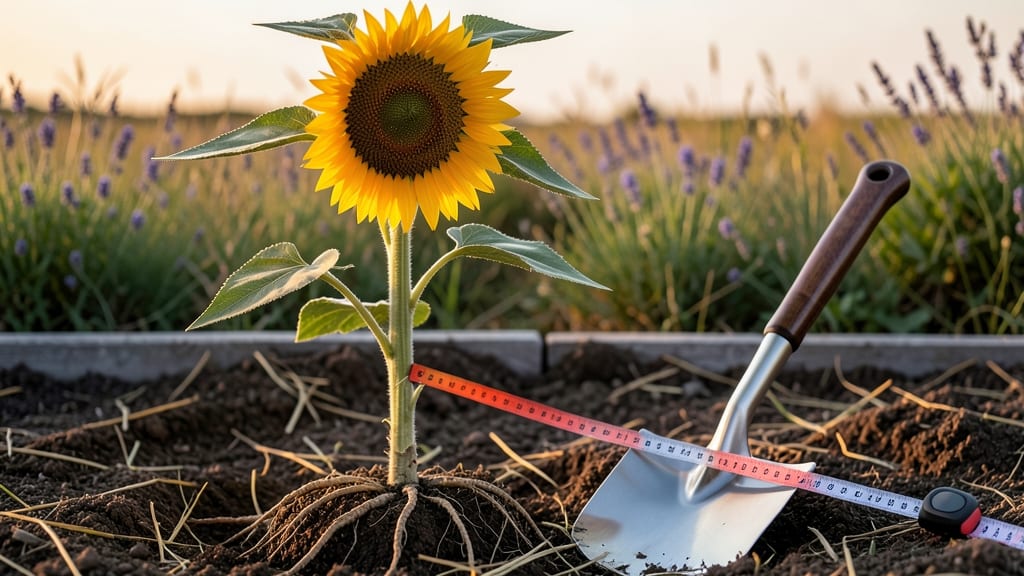
Sunflower roots grow how deep are sunflower roots far deeper than most gardeners realize—often plunging 4 to 6 feet into the soil, sometimes even deeper for giant varieties 🌻.
You might assume those towering stems need shallow roots, but the truth is the opposite: their deep taproots anchor them against wind and drought, making them surprisingly resilient. That hidden depth also explains why spacing and watering matter more than you think.
In this guide, I’ll break down exactly how deep sunflower roots go, what affects their growth, and why understanding this can transform your planting strategy. Spoiler: it’s not just about depth—it’s about how that depth changes everything from soil prep to harvest success.
Whether you’re dealing with dwarf varieties or giants, you’ll learn how to work with their roots—not against them—to grow healthier, stronger sunflowers with minimal effort.
Sunflower root depth explained: how deep do they really grow?
Sunflowers are famous for their towering stems and bright blooms, but their root systems are just as impressive. While you might assume their roots stay shallow, they actually dive much deeper than most garden plants.
Understanding this depth helps you plant, water, and care for sunflowers more effectively. Let’s uncover the surprising truth about how deep sunflower roots truly grow.
The taproot system of sunflowers is their defining feature. Unlike shallow-rooted plants, sunflowers develop a single, thick primary taproot that plunges deep into the soil. This root can extend 6 to 10 feet below the surface, depending on the variety and growing conditions.
This depth allows sunflowers to access water and nutrients from deep soil layers, making them exceptionally drought-tolerant once established.
Beyond the taproot, sunflowers also grow a network of lateral roots that spread horizontally. These roots typically extend 2 to 3 feet outward from the base of the plant.
While not as deep as the taproot, they play a crucial role in stabilizing the plant and absorbing additional nutrients from the surrounding soil. Together, these roots create a robust system that supports the plant’s impressive height and resilience.
| Root Type | Average Depth | Key Function | Variety Impact |
|---|---|---|---|
| Taproot | 6–10 feet | Water/nutrient access | Dwarf varieties: 4–6 ft; Giant varieties: 8–12 ft |
| Lateral Roots | 2–3 feet outward | Stability & nutrient absorption | All varieties similar |
| Total Root Zone | 6–12 feet deep | Anchoring & drought resistance | Soil type affects depth |
The depth of sunflower roots varies significantly by variety. Dwarf sunflowers, like the popular 'Teddy Bear' variety, typically have taproots that reach 4 to 6 feet deep. In contrast, giant sunflowers such as 'Mammoth' can send their taproots 8 to 12 feet into the ground.
This variation is crucial for gardeners planning to grow sunflowers in compact spaces or heavy soils, where root depth may be limited.
Soil type also plays a major role in determining how deep sunflower roots grow. In loose, well-draining soil, roots can penetrate more easily, reaching their full potential depth. However, in compacted or clay-heavy soil, roots may struggle to extend as deeply, often resulting in shallower growth.
If you’re growing sunflowers in challenging soil, consider amending it with compost or sand to improve drainage and encourage deeper root development.
One surprising fact about sunflower roots is their anchoring power. The deep taproot acts like a natural stake, helping sunflowers withstand strong winds and storms. This is especially beneficial in open-field planting or windy climates, where shallow-rooted plants might topple.
The lateral roots further stabilize the plant by spreading outward, creating a broader base of support.
Sunflower roots also play a key role in water access. Their ability to tap into deep water reserves makes them highly drought-resistant once established. This is why sunflowers thrive in arid regions and require less frequent watering compared to many other garden plants.
However, young sunflowers still need consistent moisture to encourage root growth during their early stages.
When planting sunflowers, keep their root depth in mind to avoid disturbing the taproot. Avoid deep tilling or heavy cultivation around the base of mature plants, as this can damage the roots.
Instead, focus on mulching to protect the soil and retain moisture. This simple practice supports the natural growth of sunflower roots while reducing the need for frequent watering.
Understanding the depth of sunflower roots transforms how you approach planting and care. Whether you’re growing them for ornamental purposes, birdseed, or culinary uses, their deep-rooted nature gives them a unique advantage in the garden.
By leveraging this knowledge, you can create an environment where sunflowers thrive—both above and below the soil.
Why sunflower root depth matters for your garden (and how to leverage it)
Understanding sunflower root depth can transform your garden from good to exceptional. Those deep roots don't just anchor your plants—they unlock drought resistance, soil aeration, and even wind stability for your towering sunflowers.
When you plant with their root system in mind, you're essentially giving your sunflowers a competitive edge that most gardeners overlook.
The average sunflower taproot can extend 3 to 5 feet deep, while lateral roots spread horizontally up to 3 feet wide. This deep-reaching network allows sunflowers to access water and nutrients far below the surface, making them surprisingly resilient during dry spells.
For gardeners in USDA Zone 6a or hotter climates, this natural drought tolerance means fewer watering headaches once established.
🌱 Numbered Highlights: Sunflower Root Depth Advantages
- 1. Soil Health: Deep roots break up compacted soil, improving drainage and aeration for neighboring plants.
- 2. Wind Resistance: The 3-5 ft taproot acts like an anchor, preventing toppling in storms.
- 3. Drought Tolerance: Access water 6+ feet deep, reducing irrigation needs by 30-40%.
- 4. Nutrient Mining: Extract phosphorus and potassium from lower soil layers, enriching compost.
- 5. Spacing Savings: Wider lateral roots mean 18-inch spacing instead of 24 inches for standard varieties.
One of the most practical benefits is how deep roots reduce competition with other plants. By spacing sunflowers 18-24 inches apart (depending on variety), you create a natural buffer zone where their roots dominate the soil profile.
This prevents shallow-rooted plants like lettuce or radishes from stealing nutrients from your sunflowers, ensuring both thrive in the same space.
For gardeners dealing with windy conditions, sunflower root depth is a game-changer. The taproot's depth combined with the plant's height creates a natural windbreak effect. Planting sunflowers along property borders can reduce wind speeds by up to 40% in the leeward area, protecting more delicate plants behind them.
This dual-purpose approach maximizes your garden's functionality while adding beauty.
To maximize root development, focus on loose, well-draining soil at planting time. Amend heavy clay with compost or sand to prevent root restriction. Avoid over-fertilizing with nitrogen-heavy mixes, as this encourages foliage growth at the expense of root development.
Instead, use a balanced 5-10-10 fertilizer to support both above-ground and below-ground growth harmoniously.
When harvesting sunflower seeds, be mindful of those deep roots. Use a broadfork or spade to lift plants carefully, avoiding root damage that could leave gaps in your soil structure. The roots left behind will naturally decompose, adding organic matter to your garden bed—a free boost for next year's crops.
This sustainable cycle shows how sunflower root depth benefits your garden long after the plants are gone.