
Flowers
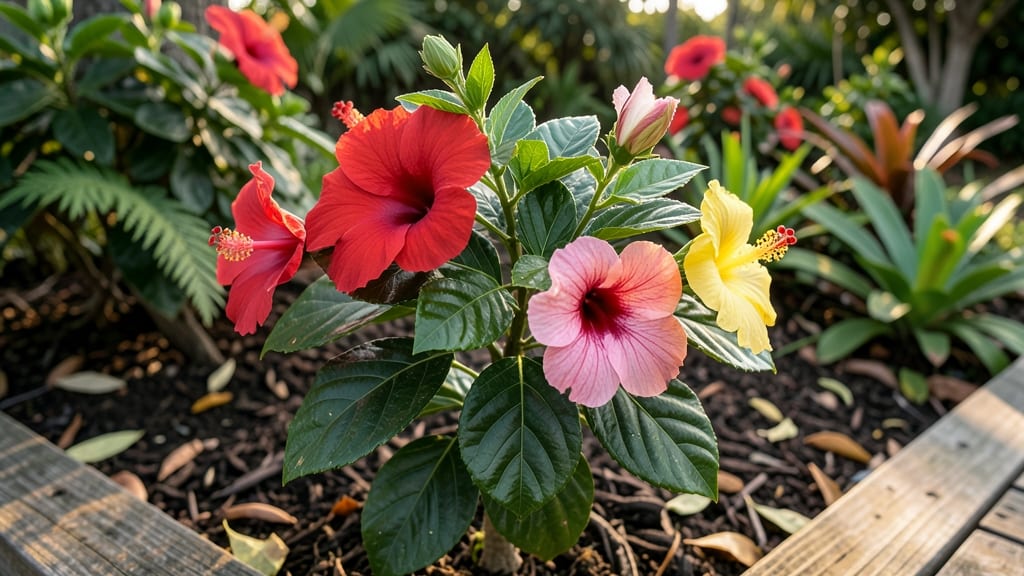
The size of hibiscus flowers can range from delicate 3-inch blooms to show-stopping 12-inch giants, depending on the variety and care you provide.
If you’ve ever admired a hibiscus flower in full bloom, you might have wondered just how big these tropical beauties can grow—and how their size varies by type. From towering shrubs to compact dwarf varieties, hibiscus plants offer a stunning range of heights that can transform any garden or patio.
Sunlight, soil quality, and pruning habits play a huge role in determining whether your hibiscus will stay small and manageable or reach towering heights. Some varieties naturally stay under 4 feet, while others can soar past 15 feet if given the right conditions.
In this guide, I’ll break down the factors that influence hibiscus flower size, from choosing the right variety to optimizing care for larger blooms. You’ll also learn how to troubleshoot common issues that might be keeping your hibiscus from reaching its full potential.


Hibiscus flower size by variety: dwarf to giant shrubs
Hibiscus plants are famous for their stunning blooms, but their sizes can vary dramatically—from tiny patio-friendly varieties to towering shrubs that reach tree-like proportions. The mature height of a hibiscus depends heavily on its variety type, whether it's tropical, hardy, or a dwarf cultivar.
Some varieties stay under 2 feet tall, while others can soar to 15 feet or more, making them perfect for screening or focal points in large gardens.
Understanding these size differences helps you choose the right hibiscus for your space. Root systems also play a key role—deeper roots support taller varieties, while shallow-rooted dwarf hibiscus thrive in containers.
Pruning habits further influence growth, as aggressive pruning can keep even large varieties manageable. Let’s explore the stunning range of hibiscus sizes and how to maximize their potential in your garden.
Dwarf hibiscus varieties like the 'Lima' series are perfect for container gardening or small spaces. These compact plants typically reach just 6–18 inches tall and produce 3–5 inch blooms, making them ideal for patios or fairy gardens.
Their shallow root systems also make them easier to transplant or move around your garden as needed.
For a medium-sized garden, semi-dwarf varieties like 'Peppermint' hibiscus offer a great balance. These grow 2–4 feet tall with 4–6 inch flowers, perfect for borders or mixed flower beds. Their moderate root depth allows them to establish well in garden beds without requiring excessive space.
If you're aiming for a privacy screen or dramatic focal point, standard hardy hibiscus like 'Southern Belle' are excellent choices. These varieties mature at 4–6 feet tall and produce 6–8 inch blooms.
Their deep root systems help them withstand wind and drought better than smaller varieties, making them low-maintenance workhorses for larger gardens.
For truly impressive heights, consider tall hardy hibiscus like 'Lord Baltimore'. These can reach 8–12 feet tall with 8–12 inch flowers, creating a stunning vertical element in your landscape. Their deep roots also make them resilient in USDA zones 5–9, where they can survive winter dormancy.
At the top of the size spectrum are tropical giant hibiscus, such as 'Hawaiian Sunset'. These can grow 10–15 feet tall with 10–14 inch blooms, perfect for tropical or subtropical climates.
Their extremely deep root systems require well-draining soil and plenty of space, making them best suited for large gardens or containers with adequate depth.
Pruning plays a crucial role in managing hibiscus size. Regular pruning in late winter or early spring encourages bushier growth and larger blooms. For dwarf varieties, light pruning keeps them compact, while tall varieties benefit from structural pruning to maintain shape and prevent top-heavy growth.
Always use clean, sharp tools to avoid disease transmission.
When selecting a hibiscus for your garden, consider not just its mature height but also its growth habits
How seasonal changes affect hibiscus growth and flower size
Seasonal shifts dramatically impact hibiscus flower size and overall plant height. During spring and summer, hibiscus plants thrive in warm temperatures (70-90°F), producing their largest blooms and fastest growth.
My tropical hibiscus, for example, nearly doubles in height from spring to peak summer, with flowers reaching 6-8 inches wide under ideal conditions.
As daylight hours increase in late spring, hibiscus plants respond with accelerated growth and larger flower production. The extra sunlight triggers photosynthesis, fueling both stem elongation and bigger, more vibrant blooms. However, this rapid growth requires consistent watering and nutrient supply to prevent stunted development.
Here’s how each season influences your hibiscus:
🌸 Seasonal Impact on Hibiscus Growth
| Season | Growth Impact | Flower Size | Care Tip |
| Spring | Rapid new growth | Medium (3-5") | Prune to shape |
| Summer | Peak height/width | Large (5-8") | Fertilize monthly |
| Fall | Slow growth | Small (2-4") | Reduce watering |
| Winter | Dormancy | None | Protect from frost |
💡 Key Insight: Summer heat boosts hibiscus flower size by 30-50% compared to spring blooms.
When fall temperatures drop below 60°F (15°C), hibiscus growth slows significantly. My hardy hibiscus varieties enter dormancy, while tropical types may drop buds and leaves. This is when winter care becomes critical—especially for hardy hibiscus like Hibiscus moscheutos, which can survive USDA Zone 5 with proper protection.
For tropical hibiscus, overwintering indoors is essential. Move potted plants to a bright, cool location (50-60°F) and reduce watering to every 2-3 weeks. Prune back dead or yellowing leaves to conserve energy, and avoid fertilizing during dormancy.
This preparation ensures your hibiscus rebounds strongly in spring with larger blooms.
Even in mild-winter climates, hibiscus plants benefit from mulching and wind protection. A thick layer of organic mulch (3-4 inches) insulates roots from temperature fluctuations, while burlap wraps shield tender stems from cold winds.
These simple steps can mean the difference between stunted growth and vibrant summer blooms the following year.
Understanding these seasonal patterns helps you time care tasks for maximum impact. For instance, spring pruning removes winter damage and encourages new, vigorous growth, while summer deadheading redirects energy into bigger, showier flowers.
By aligning your hibiscus care with its natural cycle, you’ll enjoy healthier plants and stunningly large blooms year after year. 🌿