
Flowers
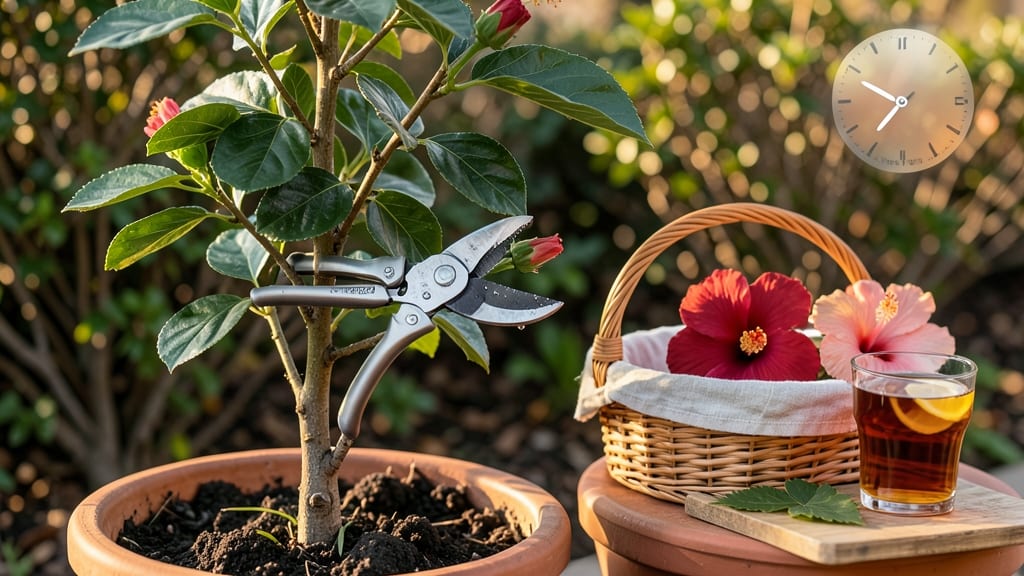
Harvesting hibiscus flowers at the right stage is the key to making tea that’s tart, vibrant, and full of flavor—not bitter or disappointing.
Picture this: you’ve spent months nurturing your 🌸 hibiscus plants, only to pick flowers too early or too late and end up with tea that tastes flat or harsh.
The difference between a perfectly balanced brew and a failed batch often comes down to timing—specifically, when those petals reach their peak.
In USDA Zone 6a, the best window for harvesting hibiscus flowers for tea runs from late summer through early fall, but the clock doesn’t stop there. Morning harvests—after the dew dries but before the sun peaks—lock in the most flavor, while afternoon heat can turn petals bitter.
Even the color of the bloom matters: pink, red, or purple, each stage affects the final taste.
Below, I’ll break down the exact bloom stages to watch for, the ideal time of day to harvest, and how to preserve those petals so your tea stays bold and refreshing. No more guesswork—just consistently great hibiscus tea, every time.
Best hibiscus flower stages for tea harvesting (by color & bloom age)
Timing your hibiscus flower harvest is everything when making tea. The perfect bloom stage determines whether your tea tastes brightly tart or disappointingly bitter. For pink, red, or purple hibiscus varieties, I’ve found the fully open but crisp petals stage delivers the best flavor balance.
This stage maximizes anthocyanin levels (the compounds responsible for tartness) while keeping caffeine content in check.
Early morning harvests—right after dew dries but before midday heat—preserve the most volatile oils that define hibiscus tea’s aroma. I always harvest between 6 AM and 8 AM for the freshest petals. The color intensity also fades if you wait too long, signaling reduced flavor potency.
Darker purple varieties, like 'Lady Balfour,' tend to have higher tannin content at this stage, while pink varieties like 'Dwarf Red' offer a milder, sweeter profile.
Here’s the key: Petal maturity directly impacts your tea’s tartness and caffeine. Overripe flowers (with drooping petals) produce a harsher, more bitter brew, while underripe buds yield a weak, flavorless infusion.
The ideal window is just 1-2 days after full bloom, when petals are crisp but not brittle. This balance ensures your tea has that signature zesty kick without overpowering astringency.
| Bloom Stage | Visual Cues | Flavor Profile | Best For | Harvest Time |
|---|---|---|---|---|
| Bud Stage | Tightly closed, greenish buds | Mild, grassy, almost flavorless | Avoid for tea | Not recommended |
| Partially Open | Petals just unfurling, soft texture | Weak, slightly sweet | Not ideal | Skip |
| Fully Open (Peak) | Bright color, crisp petals, firm stems | Balanced tartness, bright aroma | Best for tea | 6-8 AM |
| Overripe | Drooping petals, wilted edges | Bitter, astringent | Use sparingly | Only if needed |
For red hibiscus varieties, the peak harvest stage occurs when petals are fully unfurled but still deep crimson. I’ve noticed these flowers have the highest vitamin C content at this stage, which enhances the tea’s antioxidant properties.
In contrast, pink hibiscus flowers reach their prime when they’re vibrant magenta with just a hint of pale edges. This subtle color shift signals the perfect moment to harvest for a lighter, fruitier tea profile.
Color isn’t the only clue—texture matters too. The ideal petal should feel slightly crisp when touched, almost like dry parchment. If it crumbles easily, it’s overripe; if it feels soggy or sticky, it’s underripe. I test petals by gently pinching them between my fingers.
A firm resistance means it’s ready, while a soft give means wait another day. This simple touch test saves me from harvesting low-quality flowers that ruin a batch of tea.
Morning harvests also minimize oxidation stress on the petals. Flowers picked in the midday heat wilt faster and develop off-flavors from prolonged exposure to sunlight. I always use clean, sharp pruners to avoid crushing stems, which can introduce bitter compounds into the petals.
After harvesting, I immediately lay the flowers flat on a paper towel-lined tray to air-dry. This method preserves their natural oils and prevents mold.
Seasonal timing plays a role too. In USDA Zone 6a, I start harvesting in late July when temperatures stabilize, and continue through early October before the first frost.
Early harvests in July or August yield lighter, sweeter tea, while September blooms develop a deeper tartness as the plant prepares for dormancy. I adjust my watering schedule slightly before harvest—reducing frequency by 20%—to concentrate the flavor compounds in the petals.
One mistake I used to make was harvesting rain-dampened flowers. Petals that absorb moisture become mushy and prone to mold, ruining the entire batch. Now, I check the weather forecast and avoid harvesting after overnight rain.
If I must, I gently pat the petals dry with a paper towel before drying. This small step ensures my tea stays fresh and potent for months.
Pro tip: Store dried hibiscus petals in an airtight glass jar away from direct sunlight. I label jars with the harvest date and variety to track flavor profiles over time.
With the right harvest timing and storage, a single batch of hibiscus tea can last up to 6 months while retaining its vibrant color and complex tartness. 🌸
How to harvest hibiscus flowers for maximum flavor (step-by-step guide)
The secret to hibiscus tea with perfect tartness and aroma lies in when and how you harvest those vibrant blooms. Picking at the wrong time can ruin your tea's flavor profile, making it bitter or bland.
I’ve learned through trial and error that timing, tools, and handling all play crucial roles in preserving that signature tangy sweetness.
To get the most flavorful petals, you’ll want to harvest when flowers are fully open but not wilted. This usually happens in the early morning after dew has evaporated but before the sun peaks.
The cooler temperatures help lock in flavor compounds, while avoiding midday heat prevents wilting. Trust me, this small window makes all the difference!
Step-by-Step Harvesting Guide
- Step 1
- Step 2
- Step 3
- Step 4
- Step 5
- Step 6
Choose the right flowers: Pick only fully open blooms with vibrant petals. Avoid buds or wilted flowers—they’ll make your tea taste bland or bitter.
Harvest in the morning: Wait until dew dries (around 7-9 AM) but before 10 AM. This preserves flavor and prevents wilting.
Use clean tools: Snip stems with sharp pruners or scissors, leaving 1-2 inches of stem attached. Avoid tearing petals to prevent mold.
Remove leaves and debris: Strip off green calyces (the green base) and any leaves. These add bitterness to your tea.
Dry petals properly: Lay petals in a single layer on a mesh screen or paper towel in a dark, dry, well-ventilated spot for 3-5 days. Avoid direct sunlight to prevent fading.
Store in airtight containers: Keep dried petals in glass jars away from light and moisture. They’ll stay fresh for 6-12 months if stored properly.
One common mistake I see is harvesting overripe or wilted flowers. These can introduce unwanted bitterness or even mold to your tea. Always check for firm stems and crisp petals before picking. Another tip? Avoid harvesting in humid afternoons—this speeds up wilting and spoils the petals.
If you’re growing hibiscus for tea, space plants properly to avoid overcrowding. Overcrowded plants produce smaller blooms with less flavor. Prune regularly to encourage larger, healthier flowers that yield the best tea. With these steps, you’ll consistently harvest hibiscus flowers that make bold, tangy, and aromatic tea every time!
Pro tip: Label your dried petals by color and harvest date. Different hibiscus varieties (like red, pink, or purple) produce distinct flavors, and tracking this helps you recreate your favorite blends.