
Flowers
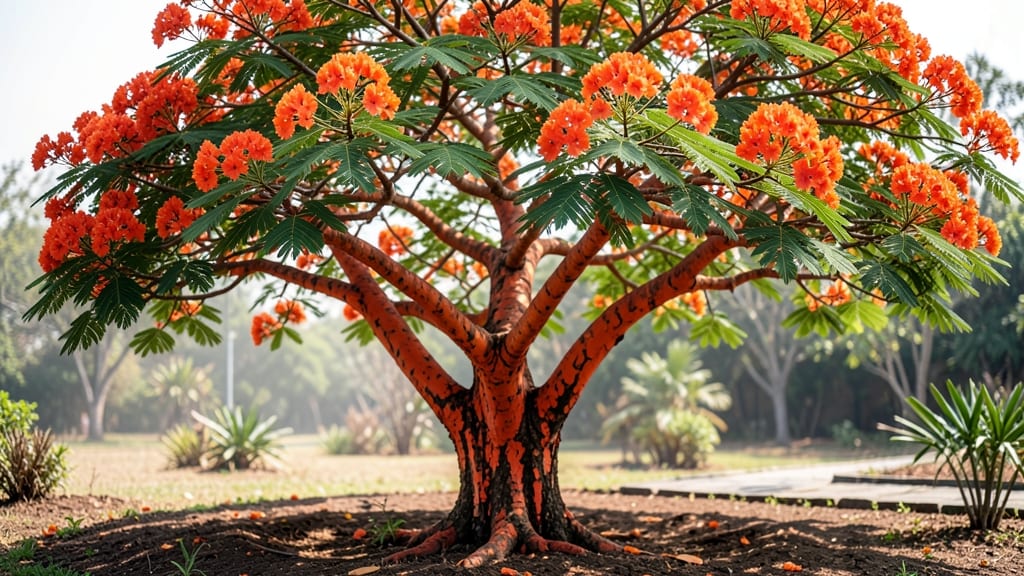
The gulmohar tree flower 🌳 delivers three months of fiery orange blooms that defy heat and drought—no other tropical tree matches its staying power.
Picture this: your garden explodes with color from late spring through summer, while most flowers wilt under the sun. That’s the magic of Delonix regia, a drought-resistant superstar that thrives in USDA zones 9b-11 and turns heads in India, Florida, or Southeast Asia.
But here’s the catch: its bold beauty comes with specific care needs. Too much water? The roots rot. Too little sun? The flowers fade fast. I’ll walk you through the exact soil, sunlight, and pruning secrets to keep your gulmohar blooming longer than ever.
Ready to grow a tree that outshines the competition? Let’s make those vibrant orange-red flowers your garden’s showstopper—without the high-maintenance fuss.
Why gulmohar tree flowers stay vibrant for 3 months (science & care secrets)
The gulmohar tree (Delonix regia) is nature's showstopper, flaunting fiery orange-red flowers that refuse to fade for up to three months straight. Unlike most flowering trees that bloom for weeks, this tropical beauty defies the odds with its extended floral display.
The secret lies in its adaptive biology and climate resilience, making it a dream for gardeners in hot, dry regions like Florida or India.
This remarkable bloom cycle isn't just luck—it's science. The gulmohar tree's flowers produce high levels of anthocyanins, pigments that protect petals from UV damage and heat stress. Combined with its deep root system, which accesses water deep underground, the tree maintains vibrant blooms even during droughts.
Plus, its deciduous nature helps it conserve energy for prolonged flowering.
Did you know? The gulmohar tree's flowers actually open in the morning and close by afternoon, a natural rhythm that prevents wilting from extreme heat. This daily reset keeps the blooms looking fresh for weeks longer than most flowers. The tree's low-maintenance nature makes it perfect for busy gardeners who want year-after-year color without constant upkeep.
| Feature | Key Details |
|---|---|
| Bloom Duration | Up to 3 months (late spring to summer) |
| Flower Color | Fiery orange-red (standard), pink/white (rare varieties) |
| Sunlight Needs | Full sun (6+ hours daily) for maximum blooms |
| Water Requirements | Deep watering every 10-14 days (established trees) |
| Soil Type | Well-draining, slightly alkaline (pH 7.0-8.5) |
| Climate Resistance | Drought-tolerant; thrives in USDA zones 9b-11 |
| Pruning Needs | Minimal—light pruning after flowering to shape |
| Fertilizer | Balanced 5-10-10 NPK in spring/fall |
The gulmohar tree's extended bloom cycle starts with its tropical origins. Native to Madagascar, this tree evolved to handle intense sunlight and limited water, traits that make it thrive in arid climates.
When planted in well-draining soil with full sun exposure, it rewards gardeners with vibrant flowers that last longer than most ornamental trees. Unlike delicate annuals, the gulmohar's woody structure stores water efficiently, allowing it to sustain blooms even during dry spells.
To maximize those three-month blooms, focus on three key care factors: sunlight, soil, and water. The gulmohar tree demands at least 6 hours of direct sunlight daily—any less, and you'll see fewer flowers.
For soil, avoid heavy clay; instead, amend with sand or compost to improve drainage. Watering should be deep but infrequent: established trees only need water every 10-14 days, while young trees require weekly deep soakings to establish roots.
Here's a pro tip: Mulch around the base with organic matter like wood chips to retain moisture and regulate soil temperature. This simple step can extend bloom duration by reducing stress on the tree.
Also, avoid over-fertilizing—too much nitrogen promotes leafy growth at the expense of flowers. Stick to a balanced 5-10-10 fertilizer applied in early spring and fall to encourage healthy blooms without excessive foliage.
Pruning plays a subtle but crucial role in maintaining vibrant flowers. After the bloom cycle ends, lightly trim dead or crossing branches to improve airflow and sunlight penetration. Never prune during the flowering season, as this can shock the tree and reduce next year's blooms.
A well-pruned gulmohar not only looks neater but also allocates energy efficiently toward producing more flowers.
Climate resistance is the gulmohar tree's superpower. Unlike many flowering trees that struggle in hot, dry regions, this species thrives in USDA zones 9b-11 and beyond. Its deep taproot system accesses groundwater, while its thick bark protects against temperature swings.
In areas with mild winters, like coastal California or Florida, the gulmohar can bloom year-round with minimal care. Even in urban heat islands, its drought tolerance makes it a low-water landscape star.
For gardeners in cooler climates, the gulmohar can still shine if planted in protected microclimates, like near a south-facing wall or in large containers that can be moved indoors during frost.
While it's not frost-hardy, its fast growth rate (gaining 3-5 feet per year) means you'll enjoy those stunning blooms in just a few seasons. Just remember: patience is key—full flowering typically takes 3-5 years after planting.
If you're dreaming of a low-maintenance garden that pops with color, the gulmohar tree delivers—without
Gulmohar tree flower colors: orange, pink, OR white? How to choose the right variety
The gulmohar tree (Delonix regia) is famous for its fiery orange-red blooms, but did you know there are rare pink and white varieties too? Each color brings unique benefits—from pollinator attraction to garden aesthetics.
I’ll break down the differences so you can pick the perfect shade for your climate and design goals.
Standard gulmohar trees produce bright orange flowers that thrive in hot, dry climates like Florida or India. These attract hummingbirds and bees, but their bold color can overwhelm smaller gardens. Meanwhile, pink and white hybrids offer softer hues that blend beautifully with pastel landscapes or tropical-themed yards.
Color intensity also affects bloom duration. Orange varieties often have longer-lasting flowers (up to 3 months), while pink and white versions may fade faster in direct sun. Your choice depends on whether you prioritize vibrant drama or subtle elegance.
| Variety | Flower Color | Bloom Duration | Pollinator Appeal | Best Climate |
|---|---|---|---|---|
| Standard | Orange-Red | 3 months | High (hummingbirds, bees) | Hot/Dry (Zones 9b-11) |
| Pink Hybrid | Soft Pink | 2-2.5 months | Moderate (butterflies) | Humid/Tropical |
| White Hybrid | Cream/White | 2 months | Low (night-blooming moths) | Coastal/Mild |
For drought-prone areas, stick with the orange standard—its deep hue reflects heat while attracting pollinators. In humid climates, the pink hybrid adds a romantic touch and thrives with extra moisture. If you love moonlit gardens, the white variety blooms beautifully at night, drawing nocturnal pollinators.
Pro tip: Mix colors for a multi-season display. Plant orange trees near fences for bold statements, while pink or white varieties soften patios or poolside areas. Just ensure all get full sun—even white flowers need 6+ hours of sunlight to stay vibrant.
Ready to transform your garden? Start with the orange standard for maximum impact, then experiment with hybrids as your confidence grows. Your yard will thank you with non-stop color all summer long! 🌺