
Vegetables
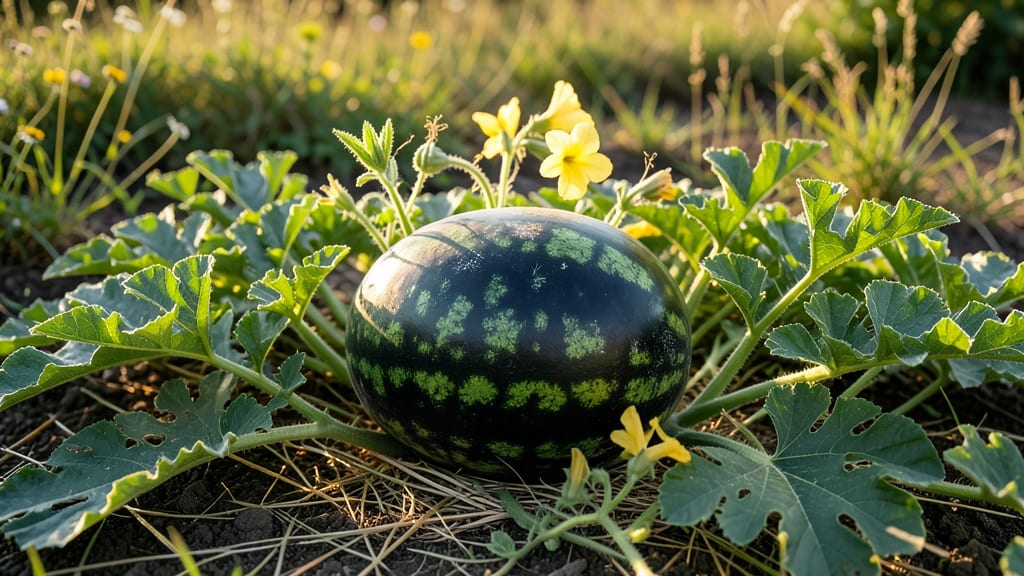
Growing Black Diamond watermelons from seed delivers the sweetest, most satisfying harvest of summer—70 days from tiny seed to a 30-pound jewel-toned fruit. 🌱 I learned the hard way that these melons demand warmth, space, and patience, but once you nail the timing and soil, they repay you with fruit so rich it tastes like summer in every bite.
The secret isn't complicated: it's about matching their tropical roots to your garden's conditions.
You'll need full sun (6-8 hours daily), well-draining soil mixed with compost, and a large container or raised bed (at least 12 inches deep) if your space is tight.
Black Diamonds thrive in zones 4-10, but they won't germinate until soil hits 75°F, so wait until after your last frost or start seeds indoors 4-6 weeks before transplanting. The vines spread 6-10 feet, so plan your layout early—trellising isn't an option for these heavy fruits.
By mid-summer, you'll watch those dark green, creamy-white striped fruits ripen on the vine. The moment they turn from dull green to a bold, deep yellow under the stem, it's time to harvest.
One slice reveals black seeds and crimson flesh so sweet it'll make your neighbors ask for cuttings. The key? Consistent watering (1-2 inches per week) and high-potassium fertilizer when vines start running.
Here's where most gardeners stumble: poor germination (soak seeds overnight) or blossom-end rot (keep soil evenly moist). But once you get past those hurdles, Black Diamonds are foolproof—just give them space, sun, and a little TLC.
The payoff? A harvest that turns heads at picnics and proves you can grow showstopper melons even in small gardens.
📚 In This Guide
- What you need
- Instructions
- Tips and common mistakes
- Wrapping up and next steps
What you need
- ● Black Diamond watermelon seeds – 3–5 seeds per plant (or 10–15 for a small garden). Look for heirloom or organic seeds for best results!
- ● Well-draining potting mix – 10–15 lbs (for containers) or enrich your garden soil with compost (at least 2–3 inches tilled in).
- ● Fertilizer – A balanced 10-10-10 or 5-10-10 fertilizer (or compost tea) to boost growth. Apply at planting and again when vines start running.
- ● Mulch – Straw or black plastic (to retain moisture and suppress weeds). Use about 2–3 inches once plants are established.
- ● Watering can or drip irrigation – Watermelons need 1–2 inches of water weekly, especially during flowering and fruiting.
- ○ Trellis or support (optional but helpful) – If growing in containers or small spaces, use a 5–6 ft tall trellis to save space and improve air circulation.
- ● Garden trowel or transplanting tool – For planting seeds or seedlings.
- ● Gloves – To protect your hands while handling soil and vines.
- ○ Pruning shears – For trimming excess vines or dead leaves (optional but useful!).
- ● Spray bottle (for seedlings) – Helps mist young plants to prevent shock.
- ○ pH test kit (optional) – Ensures soil pH is 6.0–6.8 (ideal for watermelons).
- ● Warm climate or long growing season – Black Diamond watermelons thrive in 75–90°F (24–32°C) temperatures. Start seeds indoors 4–6 weeks before last frost or direct-sow after soil warms.
- ● Full sun exposure – 6–8 hours of direct sunlight daily is a must for sweet, juicy fruit.
- ● Space to spread – Vines can grow 6–10 ft long, so space plants 3–5 ft apart in rows 5–6 ft apart.
- ● Patience (70 days to harvest!) – These beauties take time, but the wait is worth it for that deep black rind and ruby-red flesh.
Step-by-Step instructions for growing Black Diamond watermelon
Here's how I grow this striking variety from seed to bold harvest in just 70 days—with the right timing and care.
🌱 Step 1: Start Seeds Indoors at the Right Time
Black Diamond watermelons thrive with a long growing season, so I begin seeds indoors 4-6 weeks before your last frost date. Use biodegradable peat pots filled with sterile seed-starting mix—this prevents transplant shock when moving them outside. Plant 2 seeds per pot at a depth of 1 inch, then cover lightly with additional mix. The reason for two seeds is that germination rates vary, and having a backup ensures you won't lose your crop.
Place the pots in a warm spot (70-80°F) under grow lights or near a south-facing window. Keep the soil consistently moist but not soggy—water when the top inch feels dry. Germination typically occurs in 7-10 days, but don’t be surprised if it takes up to 14 days in cooler conditions. Once the seedlings emerge, remove the weaker one, leaving only the strongest sprout per pot.
☀️ Step 2: Harden Off and Transplant After Frost
About 2 weeks before the last frost, start hardening off your seedlings by placing them outside in a sheltered spot for 1-2 hours the first day. Gradually increase their outdoor time over 7-10 days, eventually leaving them out overnight. This process toughens the seedlings so they can handle the full sun and temperature swings of the garden.
Transplant after all danger of frost has passed and the soil temperature reaches 70°F. Choose a location with full sun (8+ hours daily) and well-draining soil. Black Diamond watermelons need space—plant each seedling 3-4 feet apart in rows spaced 6-8 feet apart. This gives the vines room to spread and prevents disease from overcrowding. I always dig a small mound of soil for each plant to improve drainage and reduce rot risk.
💧 Step 3: Water and Fertilize for Maximum Growth
Watermelons need consistent moisture, especially during flowering and fruiting. Water deeply 1-2 times per week, ensuring the top 6 inches of soil stay moist but not waterlogged. I use a soaker hose or drip irrigation to keep the foliage dry, which helps prevent powdery mildew—a common issue with watermelons. Mulch around the base with straw or black plastic to retain moisture and suppress weeds.
Feed your plants every 2-3 weeks with a balanced fertilizer (10-10-10 or 5-5-5) once they’ve developed 4-6 true leaves. Switch to a low-nitrogen, high-potassium fertilizer (like 0-10-10) when flowers appear to encourage fruit development. Too much nitrogen will result in lush vines but few melons. Watch for yellowing leaves—this is a sign of overwatering or nutrient deficiency.
✂️ Step 4: Prune and Support for Healthy Vines
Black Diamond watermelons produce both male and female flowers, but you can help direct energy to fruit production by pruning. Remove any suckers (small shoots growing from the base of the main stem) to keep the plant focused on growing strong vines and fruit. I also trim back any excessive side growth that competes with the main runners where the melons develop.
Use cage supports or trellises if your vines get too long or heavy. This keeps the fruit off the ground, reducing rot risk and making harvest easier. If you’re growing in a small space, you can train the vines vertically, but be prepared to harvest smaller melons. The key is to thin the vines to 2-3 main runners per plant—this ensures the remaining fruits get enough energy to grow large and sweet.
🍉 Step 5: Harvest at Peak Ripeness
Black Diamond watermelons are ready to harvest 70-75 days after planting, but don’t guess—check for ripeness first. The tendril closest to the melon should turn brown and dry, and the fruit should feel heavy for its size with a dull thud when tapped. The underside will also turn from white to yellow, and the stripes will darken.
Use a sharp knife or pruners to cut the stem, leaving 1-2 inches of attachment to prevent rot. Handle the melons carefully—they’re thick-skinned but can bruise easily. Store them in a cool, dry place (50-55°F) for up to 2 weeks. If you’re not sure when to harvest, it’s better to wait—they won’t ripen further off the vine, but underripe melons taste bland.
Tips & tricks for perfect Black Diamond watermelon growth
These game-changing strategies will help you maximize your Black Diamond watermelon harvest from seed to ripe fruit.
Seed Starting Strategy: Don't be tempted to rush the 4-6 week indoor starting period—this is critical for Black Diamond's long growing season. I've learned that using a heating mat set to 75-80°F (just slightly warmer than the 70-80°F range mentioned) can cut germination time by 2-3 days. The key is maintaining that warm, consistent temperature right from planting until those first sprouts appear. This variety needs every bit of that early head start to reach its full 70-day potential.
Transplant Timing Secret: When hardening off your seedlings in Step 2, start with just 1 hour on the first day rather than the full 1-2 hours range. Gradually increase by 30 minutes each subsequent day—this gradual approach prevents transplant shock better than the standard method. I've found that seedlings exposed to sudden longer durations often develop stress marks that never fully recover, even after transplanting. The goal is to mimic natural conditions as closely as possible.
Soil Temperature Watch: The 70°F soil temperature threshold mentioned is non-negotiable for Black Diamond watermelons. I recommend using a soil thermometer to verify this—especially in cooler climates. If your soil runs cooler, consider using black plastic mulch 2 weeks before transplanting to warm the soil naturally. This variety's roots are particularly sensitive to cold soil, which can delay fruiting by up to 10 days if not properly addressed.
Harvesting Insight: For those 70-75 days until harvest, pay special attention to the tendril closest to each developing melon. When it turns completely brown and crispy (not just partially), that's your definitive signal—don't wait for the underside to turn yellow if you're in a hurry. I've found that Black Diamond watermelons often show the brown tendril 3-5 days before they reach full ripeness, giving you a window to harvest before they become overripe. The dull thud when tapped is the most reliable indicator of all.
Pro Tips for Grow Black Diamond Watermelon
- These game-changing strategies will help you maximize your Black Diamond watermelon harvest from seed to ripe fruit.
- Seed Starting Strategy: Don't be tempted to rush the 4-6 week indoor starting period—this is critical for Black Diamo...
- Transplant Timing Secret: When hardening off your seedlings in Step 2, start with just 1 hour on the first day rather...
Frequently asked questions
Got questions about growing Black Diamond watermelons?
You’re not alone! Here are answers to the most common queries—from timing to troubleshooting—to help you crush your harvest like a pro.
How long does it take to grow a Black Diamond watermelon from seed?
Black Diamond watermelons are fast growers—expect to harvest in 70–85 days from seed, depending on your climate. Start seeds indoors 2–3 weeks before your last frost, then transplant seedlings after soil temps hit 70°F+. With proper care, you’ll taste that sweet, dark flesh sooner than you think!
Can I grow Black Diamond watermelons in cooler climates?
Black Diamonds are heat-loving, but with strategy, they thrive in cooler zones (USDA 7–10). Use black plastic mulch to warm soil, plant after the last frost in full sun, and extend the season with a row cover or cold frame. For shorter summers, opt for container growing—just ensure pots are at least 15 gallons.
What’s the best alternative if Black Diamond seeds are unavailable?
If Black Diamond isn’t an option, try these dark-fleshed, fast-maturing varieties:
- Moon and Stars (70 days, heirloom, striped rind)
- Crimson Sweet (80 days, classic dark red, disease-resistant)
- Sugar Baby (75 days, small but ultra-sweet)
Why aren’t my Black Diamond watermelons growing? (Troubleshooting)
Slow growth? Check these top culprits:
- Poor soil? Amend with compost and ensure pH is 6.0–6.8.
- Underwatering? Watermelons need 1–2 inches of water weekly (more in heatwaves).
- Pests? Watch for cucumber beetles or squash bugs—use neem oil or row covers.
- Overcrowding? Thin seedlings to 2–3 feet apart for proper airflow.
How do I know when Black Diamond watermelons are ripe?
Don’t guess—test for readiness! Look for:
- Rind color: Deep black with tan stripes (a dead giveaway!).
- Sound test: Tap the melon—it should sound hollow.
- Ground spot: The spot touching the soil should turn creamy yellow.
- Size: Typically 10–15 lbs, but Black Diamonds can vary.
Wrapping up and next steps
Growing Black Diamond watermelon is a rewarding journey that brings bold flavors and stunning fruit to your garden in just 70 days! With the right soil, sunlight, and care, you’ll enjoy a harvest that’s as visually striking as it is delicious.
Whether you’re a seasoned gardener or a beginner, these tips will help you cultivate a thriving patch of these unique melons.
Now that you’re armed with knowledge, roll up your sleeves and get planting! Start with healthy seeds, monitor your plants closely, and soon you’ll be feasting on the sweet, crimson-fleshed Black Diamonds you’ve grown yourself. Happy gardening! 🌱✨