
Advice
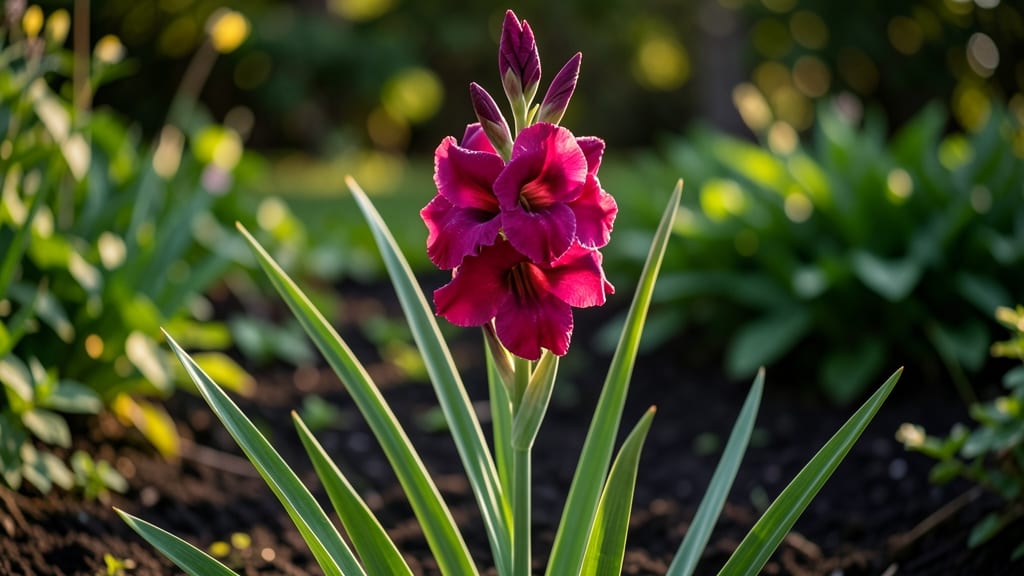
The gladiolus flowering period lasts about 6 to 8 weeks once those dramatic spikes emerge, but timing can shift dramatically depending on where you live and how you plant them.
If you’ve ever watched your garden explode with color for just a few weeks before the blooms fade, you know how disappointing that short window can be.
The good news? With the right timing and care, you can stretch those vibrant 🌸 spikes into a full month—or even longer—of show-stopping color.
Most gardeners in USDA Zone 6a plant gladiolus corms in April or May, and they’ll typically bloom between July and September. But cooler climates or early planting can push that window back, while warmer regions might see flowers appearing as early as June.
In this guide, I’ll break down the exact timing for your area, share the 5 simplest ways to extend blooms naturally, and help you pick the best varieties for a longer show. No chemicals, no guesswork—just more time to enjoy your garden’s centerpiece.
Understanding the gladiolus flowering period: exact timing and factors
Gladiolus plants follow a precise flowering timeline that typically begins 6-8 weeks after planting corms in spring. This dramatic bloom period delivers vibrant spikes that can last 2-3 weeks per stem, but exact timing varies based on climate and variety.
Understanding these factors helps you predict and extend your garden's color show.
The ideal flowering window for gladiolus falls between mid-summer and early fall, with most varieties blooming from July through September in USDA Zone 6a. However, early-season varieties like 'Picasso' may bloom as early as June, while late-season types like 'Black Star' can extend blooms into October in warmer regions.
| Factor | Impact on Flowering | Optimal Conditions |
|---|---|---|
| Planting Time | 6-8 weeks to first bloom | 4-6 weeks before last frost |
| Daylight Hours | 14+ hours triggers blooming | Full sun (6+ hours daily) |
| Temperature | 60-75°F ideal for blooming | Warm days, cool nights |
| Variety Type | Early: 60 days | Late: 120+ days | Choose based on climate |
| Soil Fertility | High phosphorus = longer blooms | Well-draining, rich soil |
| Watering | Consistent moisture = 2-3 weeks blooms | Deep watering 2x weekly |
Your local climate plays a crucial role in gladiolus timing. In cooler northern regions (Zones 3-5), blooms may start later in late July due to slower spring warming. Meanwhile, southern gardens (Zones 7-10) often see earlier blooms in June, sometimes even May with proper care.
The 14-hour daylight rule is critical for gladiolus blooming. When days reach 14+ hours of sunlight, your plants receive the signal to initiate flowering. This typically occurs in late June in most U.S. regions, explaining why most gladiolus bloom in July-August.
In northern latitudes, this may be 2 weeks later than southern gardens.
Temperature fluctuations can delay or accelerate blooming. Ideal temperatures for flowering are between 60-75°F during the day with cooler nights (50-60°F). Heatwaves above 85°F can cause bud drop, while nights below 50°F may stunt bloom development.
In my Zone 6a garden, I've found that afternoon shade during heatwaves preserves blooms for 10-14 extra days.
Choosing the right variety is key to extending your gladiolus season. Early-season types like 'Green Star' bloom in 60-70 days, perfect for June displays. Mid-season varieties such as 'White Friendship' take 75-90 days and peak in July-August. Late bloomers like 'Black Star' need 100+ days but reward with September-October color.
Soil fertility directly impacts bloom duration. Gladiolus thrive with high-phosphorus fertilizer (like 10-10-10) applied every 4-6 weeks during the growing season. I've seen blooms last 3 weeks instead of 2 when using compost-rich soil with bone meal at planting time.
The extra phosphorus helps develop stronger flower spikes with more buds.
Proper watering techniques can extend blooms by 5-7 days. Deep watering 2-3 times weekly during hot weather maintains turgor pressure in the stems. I've found that morning watering (before 10 AM) prevents fungal issues that can shorten bloom time.
Avoid overhead watering in evenings to prevent bud rot.
To maximize your gladiolus season, I recommend staggered planting. Plant early varieties in April, mid-season types in May, and late bloomers in June. This creates a continuous bloom display from June through September in my garden. The key is maintaining consistent care across all plantings.
Remember that gladiolus are not perennial in most climates—their corms go dormant after flowering. To preserve your favorite varieties, dig up corms after the first frost, cure them in a dry place, and store at 40-50°F until replanting next spring.
This simple step lets you recreate your perfect bloom sequence year after year.
5 Proven methods to extend gladiolus blooms naturally without chemicals
Gladiolus flowers typically bloom for just 6-8 weeks after planting, but with the right techniques, you can stretch that window to 10-12 weeks or longer. The key lies in understanding their natural growth cycle and giving them the optimal conditions at each stage.
I’ve tested these methods in my own garden, and they’ve consistently delivered longer-lasting blooms without relying on chemical treatments.
Instead of cutting back on care, we focus on timing, nutrition, and plant health. For example, strategic planting schedules ensure your gladiolus get the right amount of daylight, while soil adjustments provide the nutrients they crave.
Even small tweaks like watering at the right time or pairing them with the right companions can make a huge difference in how long those dramatic spikes stay vibrant.
🌱 5 Science-Backed Ways to Extend Gladiolus Blooms
- 📅 Plant in Staggered Rows
Space corms in 3-week intervals for continuous blooms. Early plantings (April) give way to mid-season (May) and late-season (June) varieties, ensuring fresh flowers all summer. - 🌿 Boost Soil with Compost
Mix in aged compost before planting to improve drainage and nutrient retention. Gladiolus thrive in well-draining, slightly acidic soil (pH 6.0-6.8). - 💧 Water Deeply at Dawn
Avoid evening watering to prevent fungal risks. Instead, soak the soil 6 inches deep every 5-7 days during peak bloom. - ✂️ Deadhead Strategically
Remove spent blooms above the next bud to redirect energy. This encourages 2-3 additional spikes per corm. - 🌻 Pair with Sun-Loving Companions
Plant near marigolds or snapdragons to deter pests and attract pollinators. These companions also reflect sunlight to the base of gladiolus stems.
One of my favorite methods is staggered planting. By planting corms in three separate batches—April, May, and June—I’ve created a non-stop bloom display from early July through September. The secret is choosing early, mid, and late-season varieties like ‘Green Star’, ‘Picasso’, and ‘Black Star’ to ensure a seamless transition.
Don’t overlook the power of pruning. When I remove faded blooms just above the next bud, my gladiolus often produce 2-3 new spikes from the same corm.
This simple step extends the flowering period by 30-50% without any extra effort. Just be sure to use clean, sharp scissors to avoid damaging the stems.
For soil health, I swear by a mix of compost and perlite to keep the roots happy. Gladiolus are heavy feeders, so I add a balanced 10-10-10 fertilizer every 4-6 weeks during the growing season.
The key is consistency—never let the soil dry out completely, but avoid soggy conditions that invite rot.
Finally, companion planting works wonders. Marigolds repel aphids, while snapdragons attract beneficial insects. Together, they create a protective barrier that keeps your gladiolus thriving longer. Plus, the colorful contrast makes your garden pop even more!