
Blooming
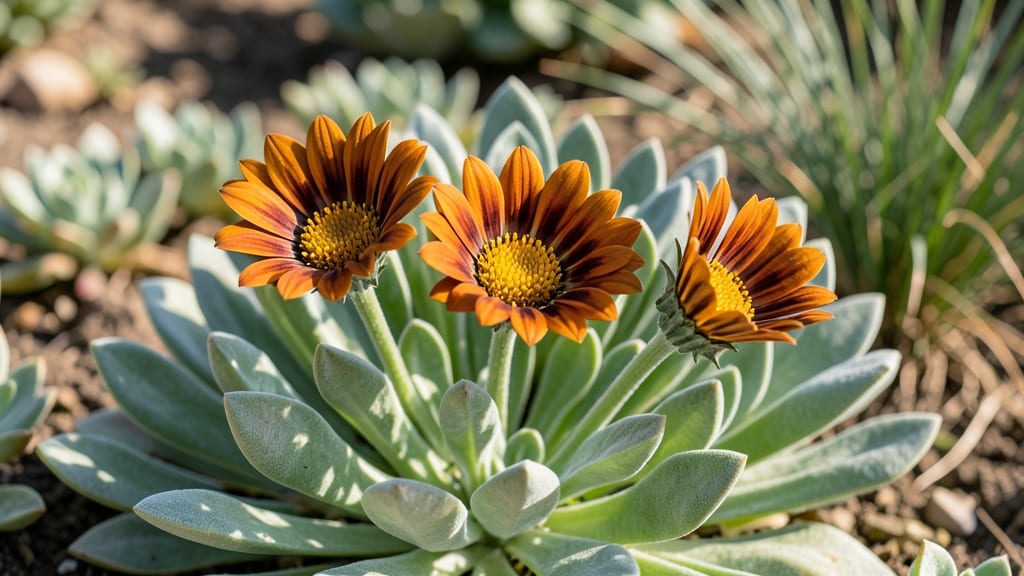
Gazania flowers thrive in their peak bloom season from late spring through fall 🌸, turning even the hottest garden days into a riot of color.
What makes them so special? Unlike many plants that fade in the heat, gazanias love the sun and actually close their petals at night—only to reopen with fresh vibrancy by morning.
This resilience isn’t just a quirk; it’s a gardener’s advantage for extending their season well beyond what most flowers can handle.
In cooler climates like USDA Zone 6a, they’ll still bounce back after frost, making them a year-round workhorse if you know the tricks.
Whether you’re in a warm desert or a temperate zone, timing your planting and care just right can turn a few weeks of blooms into months of effortless beauty.
Ready to unlock their full potential? I’ll walk you through the best planting windows, how to protect them from frost, and even which companion plants will make your summer displays pop.
When do gazania flowers bloom? Optimal seasonal timing for year-round color
Gazania flowers thrive in the heat when most annuals struggle, making them my go-to for summer-long color. Their blooming season typically spans from late spring through fall, but with the right care, you can coax them into reblooming even after frost in mild climates.
The key lies in understanding your USDA hardiness zone and adjusting planting strategies accordingly.
In USDA zones 8-11, gazanias are perennial and can bloom continuously from May through October, often lasting until the first frost. Gardeners in cooler zones (6-7) usually treat them as annuals, but with winter protection, they’ll surprise you with a spring rebloom the following year.
Their frost tolerance is what makes them so special—they’ll wilt but recover after temperatures drop below freezing.
Here’s a quick breakdown of their blooming windows by climate zone, plus tips to extend their season:
In USDA zones 8-9, gazanias are at their most resilient. They’ll bloom from late spring until October, often lasting until the first hard frost. The secret to their longevity?
Their ability to close petals in heat and reopen when temperatures drop—a natural survival mechanism that also makes them drought-tolerant. I’ve seen them thrive in 100°F+ temperatures with minimal water, as long as they’re in well-draining soil.
For gardeners in USDA zones 10-11, gazanias are nearly indestructible. They’ll bloom year-round with proper care, though they may take a brief break during the hottest months. The key is to plant them in partial shade during peak summer heat and keep the soil consistently moist but never soggy.
In these zones, I treat them as perennial workhorses—they’ll come back bigger and better each year.
Cooler climates (zones 6-7) require a different approach. Since gazanias won’t survive frost, I treat them as annuals with a surprise rebloom. Plant seeds in early spring after the last frost date, and they’ll bloom from June through September.
The magic happens when you protect them with frost cloths in fall—they’ll often survive light frosts and reward you with spring blooms the following year.
Tropical climates present unique challenges. Gazanias prefer cooler temperatures (60-75°F) and can struggle in relentless humidity or midday tropical heat. The solution? Plant them in morning sun with afternoon shade and water deeply during dry seasons.
I’ve had success growing them under palm trees where they get dappled shade, blooming beautifully in spring and fall while taking a summer break.
To extend the gazania season, focus on three key strategies: deadheading, mulching, and strategic planting. Remove spent blooms daily to encourage continuous flowering, and apply a 2-3 inch layer of mulch in fall to insulate roots.
For extra protection, plant them in containers that you can move to sheltered spots during cold snaps. These simple steps can add 4-6 weeks to their blooming season.
Pro tip: Pair gazanias with complementary heat-lovers like portulaca or lantana to create a non-stop summer display. Their contrasting textures and colors—gazanias’ velvety petals against portulaca’s succulent leaves—create a stunning visual impact that lasts until frost.
With the right timing and care, your gazanias can become the star of your garden year after year.
🌸
How to maximize gazania flower season: planting, pruning, and frost-proofing tips
To stretch your gazania blooms from spring through fall—and even after frost in mild zones—start with the right planting schedule. These heat-lovers thrive when planted after last frost (soil temps ≥60°F), but in USDA Zones 8-11, you can sow seeds as early as March for extended color.
For cooler regions, opt for container gardening to move plants indoors before winter's first chill.
Your gazania care begins with well-draining soil mixed with compost. Amend heavy clay with sand or perlite to prevent root rot—a common issue in soggy conditions. Pair this with full sun exposure (6+ hours daily) to trigger those iconic daisy-like blooms that close at night and reopen with morning sunlight.
- Step 1
- Step 2
- Step 3
- Step 4
For year-round displays, interplant gazanias with winter-blooming pansies or spring bulbs like crocuses. This creates seamless color transitions. In Zone 10+, gazanias may bloom year-round with minimal care—just ensure consistent watering during dry spells (every 3-4 days in summer).
If frost threatens, cut back foliage by ⅓ to reduce moisture loss. In containers, lift plants and store in a cool garage (40-50°F) with minimal light. Resume outdoor care in early spring—your gazanias will bounce back faster than you’d expect!
Pro tip: Save seeds from your best blooms for next year. Let a few flowers go to seed in late summer—they’ll self-sow for low-maintenance renewal. Just remember, gazanias are annuals in cold climates but perennialize in mild winters with proper protection.