
Plants
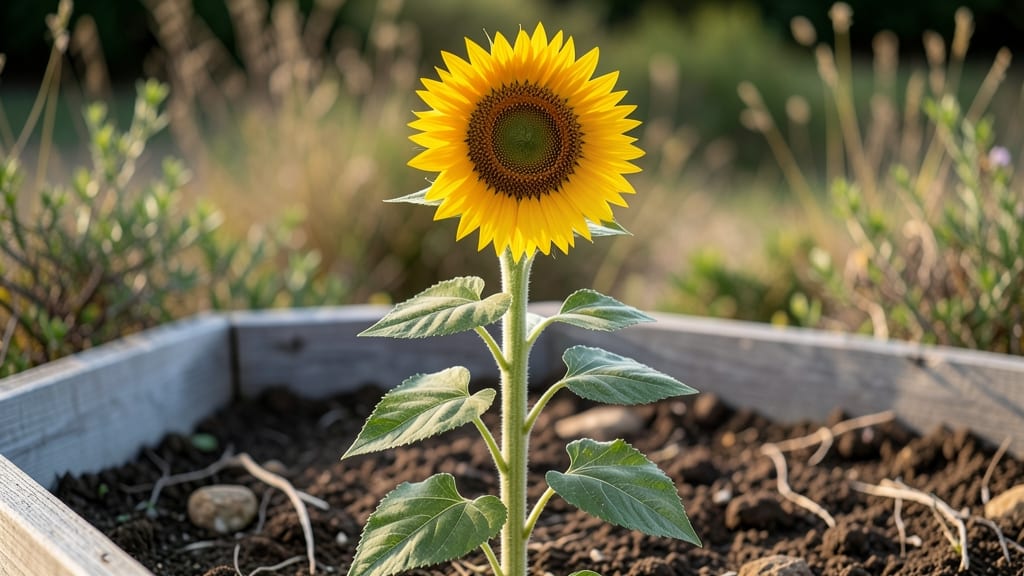
A full grown sunflower 🌻 can tower over you like a living skyscraper, reaching heights of 12 feet or more depending on the variety.
Picture this: a giant sunflower swaying in your garden, its petals facing the sun like a solar-powered beacon. But not all sunflowers grow this tall—some stay compact, while others stretch toward the sky like nature’s own ladder.
If you’ve ever wondered how to coax your sunflowers to reach their full potential, you’re in the right place.
Sunflowers thrive in full sun and well-drained soil, but their height depends on more than just luck. The right care—like proper watering, staking, and choosing the right variety—can make all the difference.
Whether you’re growing a dwarf for a patio or a Mammoth for a showstopper, knowing what to expect helps you plan ahead.
In this guide, I’ll break down how tall different sunflowers grow, share care tips to maximize their height, and explain when to harvest for the best results. Let’s get your sunflowers reaching for the sky!
Sunflower height by variety: from dwarf to giant species
Sunflowers are nature's skyscrapers, and their mature height can vary dramatically depending on the variety you choose. Whether you're dreaming of towering giants reaching for the sky or compact beauties perfect for small spaces, there's a sunflower type to match your vision.
The full grown sunflower height ranges from just a few feet to an astonishing 16 feet, making them one of the most diverse plants in your garden. Let's explore the spectrum from dwarf varieties to true giants and what growing conditions each thrives in.
Choosing the right variety isn't just about height—it's about matching the plant's growth habits to your garden's space and climate. Some varieties like Teddy Bear sunflowers stay compact, making them ideal for containers or small gardens, while others like Russian Giant can become architectural centerpieces that dominate your landscape.
Each type requires slightly different care to reach its full potential, from soil preparation to sunlight exposure.
| Variety | Mature Height | Growth Habit | Ideal Conditions |
|---|---|---|---|
| Teddy Bear | 2-4 ft | Compact, bushy | Full sun, well-drained soil |
| Moulin Rouge | 3-5 ft | Semi-dwarf, single stem | Full sun, fertile soil |
| Mammoth | 10-14 ft | Tall, single stem | Full sun, deep soil |
| Russian Giant | 12-16 ft | Extremely tall, single stem | Full sun, rich soil, staking |
| Autumn Beauty | 4-6 ft | Multi-branched, prolific | Full sun, average soil |
| Giant Russian | 14-18 ft | Extreme height, single stem | Full sun, deep soil, staking |
The Teddy Bear variety is perfect for beginners or those with limited space, reaching only 2-4 feet tall. These sunflowers produce multiple blooms on a single stem, creating a lush, bushy appearance that's ideal for cutting gardens or container growing.
They thrive in full sun and well-drained soil, making them low-maintenance yet stunning additions to any garden bed or patio pot.
For those wanting a mid-sized option, the Moulin Rouge variety stands at 3-5 feet and features striking red petals that fade to orange. This variety has a single stem with one large bloom, making it perfect for adding a pop of color to mixed flower beds.
Its semi-dwarf stature means it requires less support than taller varieties but still benefits from fertile soil and consistent moisture during its growth phase.
When aiming for dramatic height, the Mammoth variety is a fantastic choice, reaching 10-14 feet at maturity. These sunflowers are true giants that need ample space and deep soil to support their towering stems.
Plant them in an open area where they can receive full sun and have room to grow without crowding other plants. Staking may be necessary to prevent them from toppling in windy conditions.
The Russian Giant variety pushes the limits even further, with mature heights of 12-16 feet. This variety is a favorite for creating focal points in large gardens or landscapes. To achieve their full potential, provide rich, well-drained soil and ensure they're planted in a location with no obstructions.
These sunflowers often require staking or trellising to maintain stability, especially in exposed areas.
If you prefer a variety that offers both height and abundance, consider the Autumn Beauty sunflower, which grows 4-6 feet tall and produces multiple blooms per stem. This variety is particularly rewarding as it continues to flower throughout the season, providing long-lasting color.
It adapts well to average garden soil and thrives in full sun, making it an excellent choice for both experienced and novice gardeners.
For the ultimate sunflower experience, the Giant Russian variety can reach 14-18 feet, making it one of the tallest annual flowers you can grow. This variety requires exceptional care, including deep, fertile soil, consistent moisture, and sturdy support structures.
When properly cared for, these sunflowers create a breathtaking vertical element in your garden that will turn heads and inspire conversations
How to maximize sunflower height with proper care
Sunflowers have the potential to become towering giants in your garden, but only if you give them the right conditions. To help your plants reach their full genetic height, focus on four key areas: soil preparation, sunlight exposure, watering consistency, and structural support.
Each of these factors plays a crucial role in unlocking their maximum growth potential.
I’ve learned from experience that even the most hardy sunflower varieties like Russian Giant or Mammoth can fall short if their basic needs aren’t met. The good news?
With just a few adjustments, you can coax those stalks to reach skyward—sometimes even surpassing their expected heights. Let’s break down exactly how to make that happen.
- 1
- 2
- 3
- 4
- 5
One of the most common mistakes I see is skipping the soil preparation step. Sunflowers are heavy feeders, and if your soil lacks nutrients, they’ll focus on survival rather than reaching their full height.
I always recommend adding a 2-3 inch layer of compost to the planting area a few weeks before sowing seeds. This gives the soil time to integrate the nutrients.
Another pro tip: If you’re growing sunflowers in containers or urban gardens, choose larger pots (at least 12 inches deep) to accommodate their deep root systems. Shallow containers can restrict root growth, which directly limits how tall the plant can become.
Always use pots with drainage holes to prevent waterlogging, which can stunt growth or even kill the plant.
Finally, don’t forget to monitor your sunflowers for pests like aphids or slugs, which can weaken the plant and reduce its height. A quick spray of neem oil or introducing beneficial insects like ladybugs can keep these pests in check without harming your sunflowers.
With the right care, you’ll be amazed at how tall your sunflowers can grow!