
Vegetables
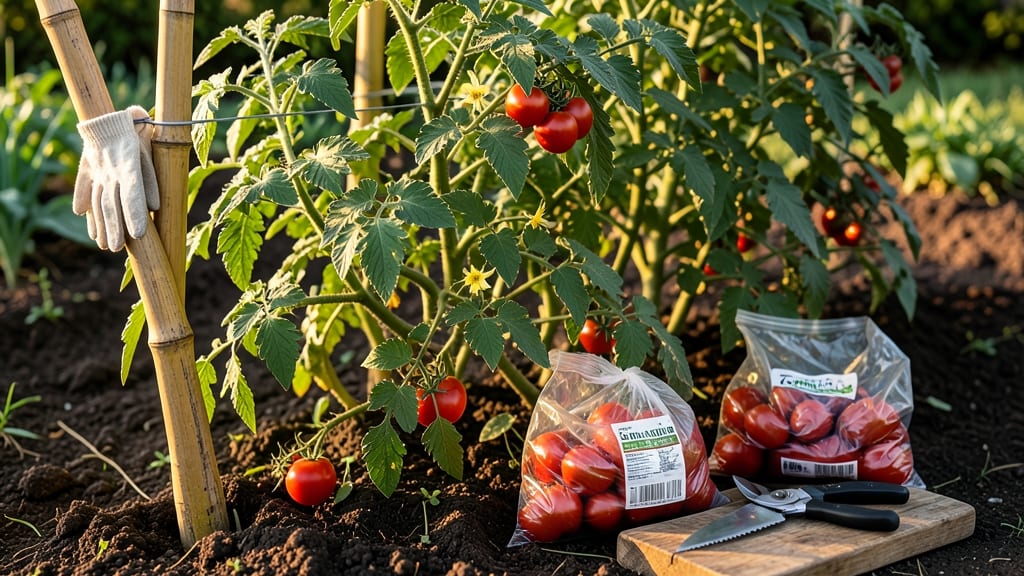
Freezer bag tomatoes save your summer harvest from waste—no more soggy, mealy produce by winter. 🌱 The secret lies in proper prep and storage techniques that lock in flavor and texture, not just freezing them raw.
I’ve lost count of the tomatoes I’ve saved this way, turning late-season abundance into year-round snacks and sauces.
Start with ripe, blemish-free tomatoes (or blanch green ones first). Pat them completely dry—any moisture causes ice crystals that ruin texture. Then, slice or leave whole, pack into heavy-duty freezer bags, and squeeze out all air before sealing. Label each bag with the date and variety—trust me, you’ll forget!
When thawing, use tomatoes within 3-5 days for best quality. They’re perfect for sauces, soups, or salsas where texture doesn’t matter. If you notice freezer burn or odd smells, toss them—better safe than sorry. For even longer shelf life, consider vacuum sealing or fermenting as backup plans.
This method works for any tomato variety, from heirlooms to cherry tomatoes. Just remember: dry, airtight, and labeled are your best friends. Now go save those tomatoes before they spoil!
📚 In This Guide
- What you need
- Instructions
- Tips and common mistakes
- Wrapping up and next steps
What you need
- ● Ripe tomatoes – Choose firm, vine-ripened varieties (e.g., Roma, beefsteak, or cherry tomatoes). Aim for 1–2 pounds per bag.
- ● Freezer-safe bags – Use quart-sized (32 oz) or gallon-sized (64 oz) ziplock freezer bags (thick, -4°F/-20°C rated). Avoid regular storage bags—they won’t seal tightly enough!
- ● Cutting board – A 12" x 18" or larger board for safe slicing.
- ● Sharp chef’s knife – An 8-inch or 10-inch knife for clean cuts.
- ● Lemon juice or citric acid – 1–2 tablespoons per quart of water to prevent browning (or 1 packet of citric acid for gallon batches).
- ○ Water (optional but recommended) – Enough to cover tomatoes in the bag (about ½ cup per quart bag).
- ● Measuring cups/spoons – For precise lemon juice or citric acid ratios.
- ● Paper towels – To pat tomatoes dry before bagging.
- ○ Vacuum sealer (optional but ideal) – Removes air for longer shelf life (3–5 years!).
- ● Permanent marker – Label bags with the date and tomato type.
- ○ Glove (optional) – Protects hands from acidic lemon juice.
- ● Clean workspace – Sanitize surfaces with hot, soapy water or bleach solution (1 tbsp bleach per gallon of water).
- ● Time – Allocate 20–30 minutes for prep (including washing and slicing).
- ● Freezer space – Ensure your freezer is at 0°F (-18°C) or colder for optimal preservation.
Step-by-step instructions for preserving tomatoes in freezer bags
Here's the foolproof method I use to keep homegrown tomatoes tasting fresh for months—no canning skills required!
🌱 Step 1: Select and Prepare the Tomatoes
Pick tomatoes at peak ripeness—slightly soft with vibrant color and no bruises. I like to handle them gently to avoid punctures that ruin the bag's seal. Wash them thoroughly under cool water, then pat completely dry with a clean towel or paper towels. Any moisture trapped in the bag will create ice crystals and degrade texture.
For best results, cut tomatoes into 1-inch chunks (or leave whole for slicing tomatoes). Remove stems and cores—these don't freeze well. I like to blanch cherry tomatoes first by dropping them into boiling water for 30 seconds, then immediately plunging into ice water. This preserves color and prevents mushiness during thawing.
💧 Step 2: Pack the Tomatoes into Freezer Bags
Use heavy-duty freezer bags (the kind rated for 3+ years) to prevent freezer burn. Portion your tomatoes into 1-pint or 1-quart sizes—this makes them perfect for single meals later. Leave 1-inch of headspace at the top of each bag before sealing. I like to use a straw to suck out excess air before sealing tightly.
Add a splash of lemon juice or vinegar (about 1 tablespoon per pint) to maintain color and prevent browning. This is the secret that keeps your frozen tomatoes looking fresh when thawed. Label each bag with the date and tomato variety—you'll forget what you froze after a few months!
☀️ Step 3: Freeze Properly for Long-Term Storage
Place the sealed bags flat on a tray in the freezer for 24 hours to solidify completely. This prevents bags from sticking together. Once frozen solid, transfer them to a labeled freezer storage box. I arrange them in single layers with parchment paper between bags to prevent freezer burn.
The magic happens when you freeze them at -0°F or colder. This ultra-cold temperature preserves texture and flavor. Your tomatoes will keep for up to 12 months if stored properly—though I find they're best used within 6 months for peak quality.
⏰ Step 4: Thaw and Use Like Fresh Tomatoes
Thaw your tomatoes overnight in the refrigerator for best results. Never microwave frozen tomatoes—they'll turn mushy and lose all texture. Once thawed, they're ready to use in sauces, soups, or salads just like fresh tomatoes. I like to drain excess liquid before using them in recipes to avoid watering down dishes.
For quick use, you can add frozen tomato chunks directly to hot recipes like soups or stews—they'll thaw as they cook. The flavor might not be quite as vibrant as fresh, but it's still delicious and convenient. This method saves me hundreds of dollars every year and keeps the garden's bounty lasting through winter!
Tips & tricks for perfect freezer bag tomatoes
These game-changing tips will help you preserve tomatoes that taste fresh even after months in the freezer!
Tomato Selection Tip: Choose tomatoes that are ripe but firm—look for vibrant color and a slight give when gently squeezed. Overripe tomatoes with soft spots will turn mushy when frozen, while underripe ones won't develop full flavor. I always pick tomatoes that are just past their peak for the garden—this gives the best balance of texture and flavor after freezing.
Blanching Technique: That 30-second blanch in boiling water followed by ice water is non-negotiable for cherry tomatoes! This process preserves their bright color and prevents the mushiness that happens when cell walls break down during freezing. For larger tomatoes, I skip blanching—they hold up better when cut into 1-inch chunks without this extra step.
Packing Strategy: The 1-inch headspace in your freezer bags is crucial—it allows the tomatoes to expand without bursting the bag. I've learned this the hard way after coming home to tomato explosions in my freezer! Also, use that straw trick to remove excess air—it's worth the few extra seconds to prevent freezer burn and maintain quality.
Storage Wisdom: Once your tomatoes are frozen solid after that 24-hour flat freeze, store them in single layers with parchment paper between bags. This prevents freezer burn and makes them easier to grab when you're ready to use them. I arrange them by type—heirlooms with heirlooms, romas with romas—so I can recreate specific recipes later.
Pro Tips for Freezer Bag Tomatoes
- These game-changing tips will help you preserve tomatoes that taste fresh even after months in the freezer!
- Tomato Selection Tip: Choose tomatoes that are ripe but firm—look for vibrant color and a slight give when gently squ...
- Blanching Technique: That 30-second blanch in boiling water followed by ice water is non-negotiable for cherry tomato...
Frequently asked questions
Got questions about freezing tomatoes in freezer bags? You’re not alone! Here are answers to the most common queries to help you master this method like a pro.
How long can I store tomatoes in freezer bags?
Properly frozen tomatoes in freezer bags stay fresh for 9–12 months while retaining flavor and texture. For best quality, aim to use them within 6–8 months. Freezing slows spoilage but doesn’t stop it entirely—always check for freezer burn or off smells before use.
Do I need to blanch tomatoes before freezing in bags?
No, blanching isn’t required for whole or halved tomatoes in freezer bags! However, peeling and crushing (for sauces) or blanching 10–20 seconds (for skinless slices) can help preserve texture. Skip blanching for whole tomatoes—just wash, dry, and freeze.
Can I freeze cherry tomatoes whole in freezer bags?
Cherry tomatoes freeze beautifully whole in freezer bags. Don’t wash them first—pat them dry to prevent ice crystals. For sauces, crush them post-thaw. Whole cherry tomatoes work great in pasta dishes, salads, or salsas after freezing.
Why do my frozen tomatoes get mushy when thawed?
Mushiness happens when tomatoes release too much water during freezing. To fix it:
- Use freezer-safe bags (squeeze out excess air).
- Add a tsp of lemon juice or citric acid per quart to firm up texture.
- Avoid refreezing thawed tomatoes—they’ll turn to mush!
What’s a good alternative if I don’t have freezer bags?
No freezer bags? No problem! Use:
- Vacuum-sealed bags (best for long-term storage).
- Air-tight containers (leave ½-inch headspace).
- Heavy-duty ziplock bags (double-bag for extra protection).
Pro Tip:
For crushed tomatoes or sauces, freeze in 1-cup portions in freezer bags. Thaw in the fridge overnight and stir in a pinch of salt or sugar to balance flavors. No ice crystals? You’re doing it right!
Wrapping up and next steps
Preserving tomatoes in freezer bags is a game-changer for extending their shelf life while keeping their flavor and nutrients intact! Whether you’re a gardener with a surplus or just love having fresh tomatoes year-round, this method is simple, cost-effective, and totally doable. 🌱
Now that you’re equipped with the how-to and answers to common questions, it’s time to roll up your sleeves and start preserving. Grab those ripe tomatoes, follow the steps, and enjoy the satisfaction of homemade, long-lasting produce. Happy freezing—and happy cooking! 🍅❄️
Next step: Try experimenting with your preserved tomatoes in sauces, soups, or even smoothies—let your creativity shine!