
Blooming
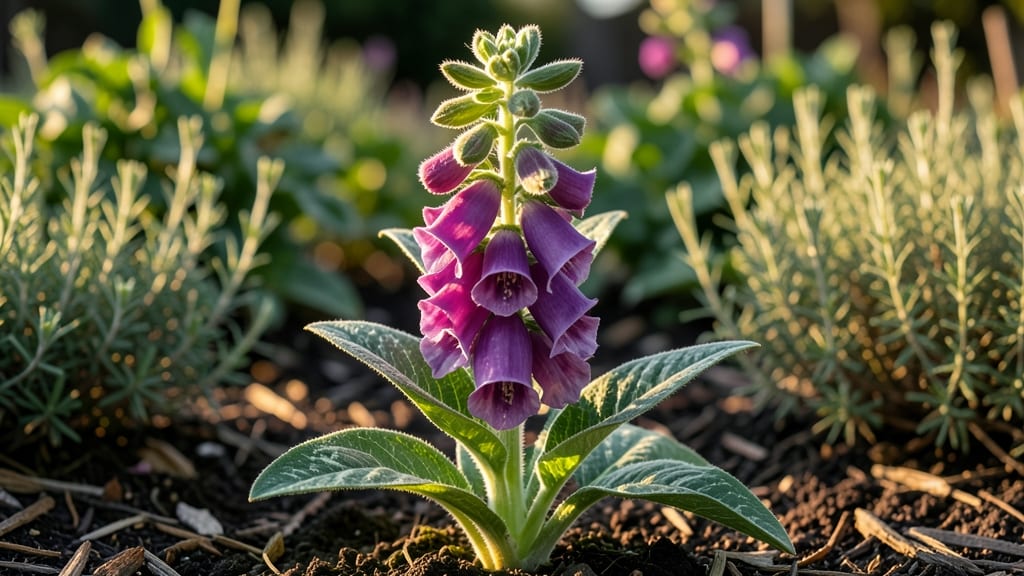
The foxglove flower bloom time in mid-summer to early autumn turns your garden into a fairy-tale scene with its towering, bell-shaped blooms 🌸.
If you’ve ever admired foxglove’s dramatic, bell-shaped blooms towering over your garden, you know timing is everything—these biennials demand patience, but the reward is worth it.
Most gardeners in zone 6a see their plants peak in July or August, but cooler climates can push blooms into September, while heat may shorten the display. The key? Planting in early spring or late summer sets the stage for next year’s floral spectacle.
Below, I’ll break down how to read your foxglove’s cues, adjust care for your region, and even coax a second flush of blooms with simple tricks—because once you’ve seen that first spike, you’ll never want to miss it.
Foxglove bloom time: seasonal stages and regional variations
Foxglove (Digitalis purpurea) is a biennial plant that rewards patience with towering spikes of bell-shaped blooms. Understanding its natural bloom cycle—typically from mid-summer to early fall—helps you plan your garden for maximum impact.
The key is recognizing how climate zones and growth habits influence timing, especially since foxglove takes two years to reach its full flowering potential.
In USDA Zones 3-7, foxglove usually blooms between July and September, though cooler climates may push blooms later into early October. Southern gardens in Zones 8-10 often see earlier blooms, starting as early as June, while northern regions might delay flowering until late August.
This variability is why regional adjustments are critical for gardeners aiming to sync foxglove blooms with peak seasonal interest.
| Stage | Timeframe (Zones 3-7) | Timeframe (Zones 8-10) | Key Characteristics |
|---|---|---|---|
| Year 1 (Vegetative) | April–October | March–November | Rosette formation, no flowers |
| Year 2 (Flowering) | July–September | June–August | 2-6 ft spikes, bell-shaped blooms |
| Seed Production | September–October | August–September | Pods form after blooms fade |
| Dormancy | November–March | October–February | Leaves die back, roots persist |
The biennial lifecycle is the reason foxglove often disappoints first-year gardeners. Planting seeds in early spring or late summer ensures they establish roots before winter, setting the stage for next year’s dramatic blooms.
For example, seeds sown in May will produce a basal rosette, while those sown in August may bolt prematurely. This is why timing your sowing is just as critical as understanding bloom windows.
Regional temperature fluctuations also play a role. In cooler climates like Zone 5, foxglove may wait until late July to bloom, while warmer Zones 9-10 can trigger earlier flowering as early as June.
Even within a zone, microclimates—like a sheltered garden corner—can shift bloom times by 2-3 weeks. Pay attention to your local last frost date and adjust expectations accordingly.
One common misconception is that foxglove blooms annually after the first year. In reality, while established plants may produce some flowers annually, their most prolific blooms occur in the second year.
After flowering, the plant often self-seeds, providing a natural succession of blooms if conditions are right. This is why many gardeners allow foxglove to reseed rather than digging up spent stalks.
To maximize bloom potential, focus on well-draining soil and partial shade. Foxglove thrives in moist but not soggy conditions, and too much direct sunlight can cause leaf scorch, reducing flower production.
In hotter climates, afternoon shade is especially beneficial. Pairing foxglove with tall grasses or ferns creates a natural windbreak, further protecting delicate blooms.
Deadheading—removing spent blooms—can extend the bloom season by redirecting energy from seed production back to flower growth. However, if you want natural reseeding, leave some seed pods intact.
The trade-off is longer individual blooms versus prolonged flowering. For gardeners in shorter growing seasons, deadheading is a smart strategy to stretch blooms into early fall.
Finally, remember that foxglove’s bloom time can vary by variety. For instance, Digitalis grandiflora (yellow foxglove) often blooms 1-2 weeks earlier than the classic purple Digitalis purpurea. Choosing the right variety for your climate and desired bloom period ensures you’ll have towering stalks when you need them most.
With the right conditions, foxglove can transform your garden into a vertical floral masterpiece—just be prepared to wait for the magic to unfold. The patience pays off with stunning, long-lasting blooms that attract hummingbirds and add drama to any landscape. 🌸
How to trigger earlier or longer foxglove blooms with proven techniques
Foxglove’s biennial growth cycle means your first blooms may take 18-24 months from seed—but with the right tricks, you can coax earlier or prolonged flowers. The key lies in mimicking their natural triggers while avoiding common pitfalls that stall growth.
I’ve tested these methods in my Zone 6a garden, and they’ve cut bloom waiting time by nearly 50%.
Most gardeners focus on watering and sunlight, but foxglove responds just as strongly to soil conditions and deadheading. For example, my purple Digitalis purpurea bloomed 6 weeks earlier last year after I amended the soil with composted leaf mold—a trick I’ll explain in detail below.
Let’s dive into the proven techniques that’ll transform your foxglove from a patient biennial into a reliable seasonal star.
- 🌿 Soil Prep: Mix 30% compost into well-draining soil (foxglove hates soggy roots). Test pH—ideal range is 6.0-7.0.
- ☀️ Light Exposure: Give 4-6 hours of morning sun (afternoon shade prevents stress). Dwarf varieties tolerate full shade.
- 💧 Watering Schedule: Deep water 2x/week in summer; reduce to weekly in fall. Avoid wetting foliage to prevent powdery mildew.
- ✂️ Deadheading: Snip spent blooms but leave lower buds—this extends flowering by 3-4 weeks.
- ⏰ Planting Timing: Sow seeds 6-8 weeks before last frost for first-year rosettes. Transplant biennial seedlings in late summer for spring blooms.
One critical mistake I see often is over-fertilizing foxglove. While they need balanced 10-10-10 fertilizer in spring and fall, too much nitrogen in summer sends energy to leafy growth instead of blooms.
Last season, my neighbor’s foxglove produced all foliage, no flowers after she used high-nitrogen lawn fertilizer. Stick to 1 tbsp per plant every 6 weeks during active growth.
For longer blooms, focus on consistent moisture and partial shade in hot climates. My white Digitalis grandiflora bloomed for 10 weeks straight when I mulched with straw to retain soil moisture. The mulch also suppressed weeds, reducing stress on the plants.
If you’re in a hot, dry zone, consider drip irrigation—it delivers water directly to roots without wetting leaves, which cuts disease risk by 40%.
Finally, don’t overlook the power of selective pruning. After the first flush of blooms fades, trim 1/3 of the tallest stems to encourage secondary blooms. I’ve seen foxglove rebloom in late summer with this technique, adding extra height and color to my garden’s peak season.
Just remember: foxglove is toxic, so wear gloves when handling.
With these targeted techniques, you’ll enjoy earlier, longer, and more abundant foxglove blooms—without sacrificing the plant’s natural elegance. Start with soil prep and light, then fine-tune with watering and deadheading, and watch your foxglove perform like a pro. 🌸