
Flowers
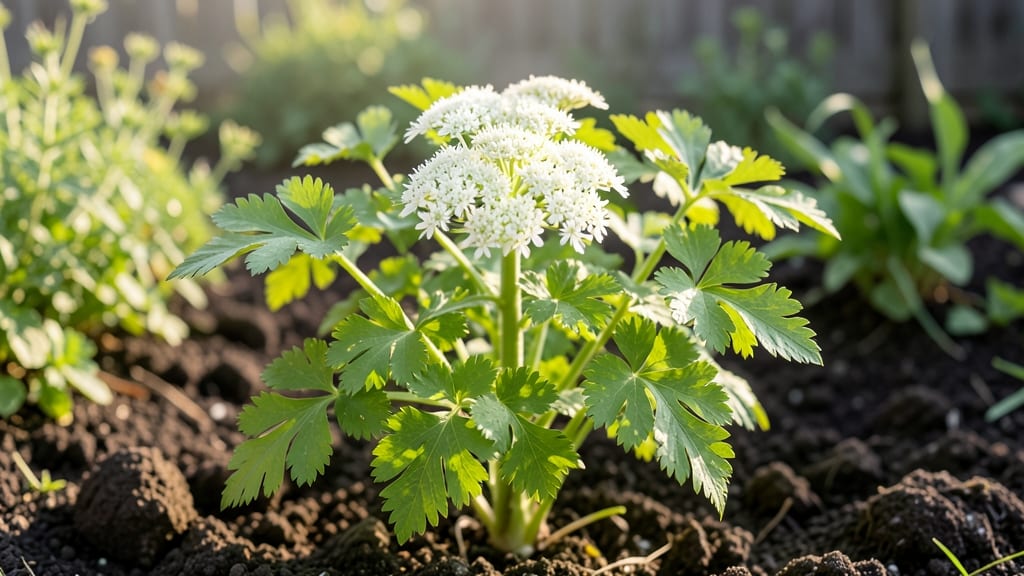
Your cilantro plant’s white or yellow flowers aren’t a mistake—they’re a natural part of its lifecycle, and they can actually work to your advantage if you know how to use them.
Picture this: you’ve been harvesting fresh cilantro leaves for weeks, only to wake up one morning and spot delicate blooms peeking through. That’s your plant’s way of telling you it’s ready for the next stage—whether you want seeds for cooking or just want to enjoy the pretty sight.
Heat, drought, or even just the passage of time can trigger these flowers, but that doesn’t mean you’re powerless. With the right timing and care, you can encourage—or even prevent—them from appearing until you’re ready.
In this guide, I’ll walk you through why cilantro flowers, how to manage them for the best harvest, and whether those blooms are safe (or even useful) in your kitchen. Let’s get started!
Why does cilantro develop flowers? Understanding the plant’s natural cycle
If you’ve ever grown cilantro and noticed delicate white or yellow flowers sprouting from its stems, you’re not alone. This common herb—Coriandrum sativum—naturally progresses through a two-phase lifecycle: leaf production followed by flowering.
The flowers aren’t a sign of poor care but a botanical inevitability tied to the plant’s genetics and environment.
Cilantro’s flowering stage is often called bolting, a rapid transition from leaf growth to seed production triggered by environmental stressors like heat or drought. However, even under ideal conditions, cilantro will eventually flower as part of its annual growth cycle.
Understanding this process helps you decide whether to harvest leaves early or let the plant mature for coriander seeds.
| Factor | Impact on Flowering | Actionable Tip |
|---|---|---|
| Genetics | All cilantro varieties eventually flower; some bolt faster than others. | Choose slow-bolting varieties like 'Calypso' or 'Santo' for extended leaf harvests. |
| Temperature | Hot weather (75°F+) triggers rapid bolting within 2-3 weeks. | Plant in spring or fall to avoid summer heat; use shade cloth if necessary. |
| Day Length | Longer daylight hours (14+ hours) accelerate flowering. | Extend shade in summer or grow indoors with grow lights for controlled conditions. |
| Water Stress | Drought or inconsistent watering speeds up bolting. | Maintain consistent moisture; mulch to retain soil humidity. |
| Nutrient Deficiency | Low nitrogen or phosphorus can trigger premature flowering. | Use a balanced fertilizer (5-10-10) early in the season to support leaf growth. |
The difference between bolting and gradual flowering lies in speed and timing. Bolting is cilantro’s dramatic response to stress—like a heatwave or drought—where the plant shoots up tall stems with flowers in just 1-2 weeks.
This rapid transition often renders the leaves bitter and less flavorful. In contrast, gradual flowering occurs under stable conditions, allowing you to harvest leaves for 6-8 weeks before seeds form.
Cilantro flowers play a crucial role in the plant’s life cycle by producing coriander seeds, which are the dried fruits of the flower. These seeds are a culinary staple in many cuisines, used whole or ground as ground coriander.
If you’re growing cilantro for seeds, let the flowers mature and dry on the plant. However, if you’re after fresh leaves, harvest the plant before flowering to maximize flavor and yield.
Environmental triggers like temperature spikes or drought stress can accelerate bolting, but even ideal conditions will eventually lead to flowering. For example, cilantro planted in late summer may bolt quickly due to longer daylight hours, while spring plantings often have a slower, more predictable transition.
Pay attention to your local climate and adjust planting times accordingly.
Did you know cilantro flowers also attract pollinators like bees and butterflies? These delicate blooms provide early-season nectar, making your herb garden a mini ecosystem. If you’re growing cilantro for both leaves and pollinators, consider leaving a few plants to flower while harvesting others for culinary use.
This balance ensures you get the best of both worlds: flavorful leaves and a thriving garden.
To delay flowering and extend your leaf harvest, focus on cool-season gardening. Plant cilantro in early spring or late summer, avoiding the dog days of summer when temperatures exceed 75°F.
Additionally, use shade cloth during peak afternoon sun to reduce heat stress. These strategies can buy you an extra 4-6 weeks of leaf production before flowering begins.
If your cilantro has already bolted, don’t despair. The flowers and seeds are still edible and add a unique citrusy, nutty flavor to dishes. You can harvest the seeds by drying the flower heads and crushing them, or use the young flower buds in salads for a peppery kick.
Even bolted cilantro has value—it’s just a different part of the plant’s lifecycle.
In summary, cilantro flowers are a natural part of the plant’s journey from seedling to seed producer. By understanding the triggers and timing of flowering, you can make informed decisions about harvesting leaves, saving seeds, or supporting pollinators.
Whether you’re a home gardener or a culinary enthusiast, embracing this lifecycle will help you get the most out of your cilantro plants.
How to encourage cilantro flowers for better yields and pollinators
If you’ve ever wondered how to coax those delicate white or yellow cilantro flowers to appear, you’re not alone. These blooms aren’t just a sign of maturity—they’re a gateway to harvesting coriander seeds and supporting pollinators like bees and butterflies.
With the right approach, you can encourage flowering while maintaining a steady leaf harvest or even repurpose your plant for seed production.
Cilantro flowers emerge when the plant detects long daylight hours and warmer temperatures, typically in late spring or early summer. By adjusting your growing conditions and care routine, you can trigger flowering at the optimal time for your goals—whether that’s extending the leaf harvest or collecting seeds for spice blends.
- 1. Adjust sunlight exposure to 6+ hours of full sun daily—critical for flowering.
- 2. Allow natural bolting by avoiding heavy pruning of mature plants.
- 3. Use well-draining soil with added compost to support robust growth.
- 4. Reduce watering frequency slightly to stress plants gently and trigger blooms.
- 5. Plant companion flowers like marigolds or nasturtiums to attract pollinators.
Start by selecting a sunny garden spot with at least 6 hours of direct sunlight—this is non-negotiable for flowering. Cilantro thrives in partial shade for leaf production, but if you want flowers, push it toward full sun.
I’ve found that moving my cilantro pots to a south-facing windowsill in late spring sped up flowering by nearly 2 weeks.
Soil plays a starring role too. Amend your garden beds with organic matter like compost or aged manure to ensure nutrients are available during the flowering stage.
A soil test can reveal deficiencies—cilantro needs balanced nitrogen, phosphorus, and potassium (5-10-10 fertilizer works well). Avoid over-fertilizing with nitrogen, though, as it can delay blooming.
Once flowers appear, consider companion planting to maximize their benefits. Pair cilantro with pollinator-friendly plants like basil, dill, or lavender to create a mini ecosystem. The flowers will attract bees, which can cross-pollinate and even improve seed quality.
Plus, the aesthetic of white cilantro blooms against green foliage adds charm to your herb garden.
For those aiming to harvest coriander seeds, let some flowers mature fully. Once the blooms turn brown and dry, snip the seed heads and hang them upside down in a paper bag to dry completely.
Store the seeds in a cool, dark place for up to a year—perfect for future plantings or spice blends like garam masala.