
Blooming
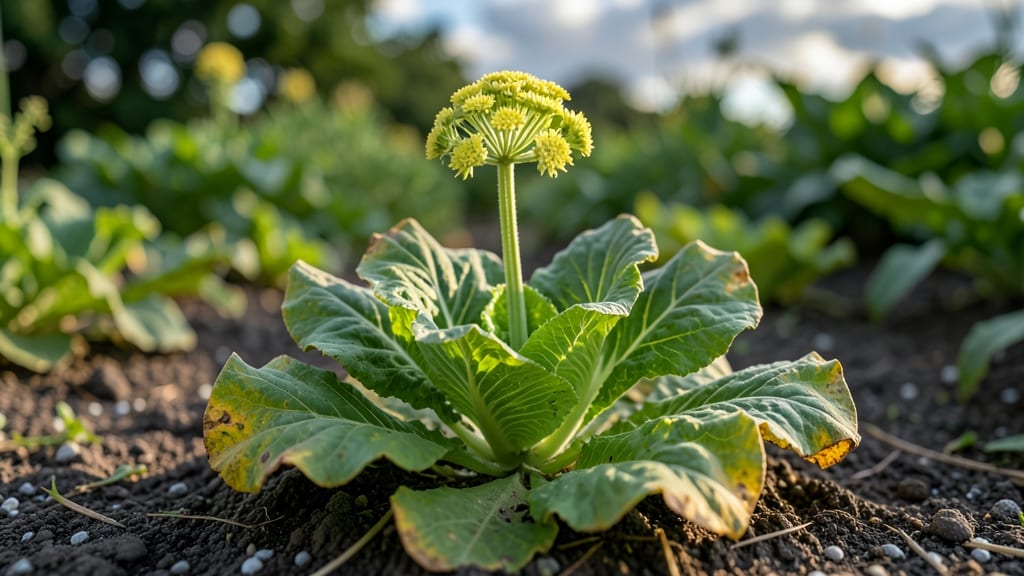
If your crisp, vibrant lettuce suddenly sprouts tall stems and bitter leaves, you’re likely dealing with the dreaded flowering stage — also called bolting — which can ruin your harvest faster than heatwaves.
This shift happens when lettuce senses stress, like heat, long days, or uneven watering, and it’s why gardeners in Zone 6 often struggle in late spring or early fall.
Don’t panic — I’ll walk you through how to spot the early signs, why it happens, and 5 proven ways to delay or manage bolting so you can keep harvesting those sweet, tender leaves.
How to identify lettuce flowering stage: key signs and stages of bolting
When your lettuce starts sending up tall, bitter-tasting stems instead of tender leaves, it’s entering the flowering stage—a process called bolting. This natural response to stress or environmental cues can turn your harvest from crisp and sweet to tough and disappointing.
Understanding the key signs of bolting helps you act quickly to salvage your crop or prevent it entirely.
Bolting occurs when lettuce shifts its energy from leaf production to seed development, often triggered by heat stress, long daylight hours, or drought conditions. Recognizing the stages early allows you to adjust care or harvest before the leaves become too bitter.
Let’s break down the visual and physical cues that signal your lettuce is bolting.
| Stage | Visual Signs | Physical Changes | Action to Take |
|---|---|---|---|
| Early Bolting | Leaves turn yellowish at edges | Stem elongates slightly, leaves may wilt | Harvest outer leaves immediately |
| Mid Bolting | Tall flower stalk emerges (6+ inches) | Leaves become bitter and tough | Cut back seed stalk; focus on new seedlings |
| Late Bolting | Seed pods form at stalk tip | Entire plant shifts energy to seed production | Remove plant; compost or discard |
The first sign of bolting is often leaf yellowing, especially along the edges. This happens as the plant redirects nutrients to the developing flower stalk. If you notice yellowing leaves paired with a slightly taller stem, your lettuce is already responding to stress.
At this stage, harvesting the outer leaves can still yield edible greens, but the center will soon follow suit.
As bolting progresses, the flower stalk elongates rapidly, sometimes shooting up 6 inches or more in just a few days. This dramatic growth is the plant’s way of reaching sunlight to support seed production.
The leaves will also become bitter and tough, making them inedible. If you see this, it’s time to act fast—either harvest what you can or remove the plant entirely.
Environmental triggers like temperature spikes (above 75°F) or long daylight hours (14+ hours) accelerate bolting. Even drought stress can push lettuce into flowering mode. For example, my romaine lettuce bolted within 10 days after a heatwave hit 85°F.
Pay attention to your local climate and adjust planting times to avoid these triggers.
Another key indicator is the formation of seed pods at the top of the stalk. This is the final stage of bolting, where the plant’s energy is fully focused on reproduction. At this point, the leaves are usually too bitter to eat, and the plant will eventually die.
If you spot seed pods, it’s best to remove the plant to prevent self-seeding in your garden.
Some lettuce varieties are more prone to bolting than others. For instance, leaf lettuce types like butterhead or loose-leaf bolt faster in heat than head lettuce varieties like iceberg. If you live in a warm climate, choose heat-tolerant varieties like Jericho or Black Seeded Simpson to delay bolting.
To confirm bolting, gently pull back the outer leaves and inspect the central stem. A healthy lettuce will have a short, thick stem, while a bolting plant will show a tall, thin stalk with a flower bud at the top.
This visual check is your best tool for early detection, giving you time to salvage your harvest or adjust care routines.
If you’re growing lettuce in containers, bolting can happen even faster due to limited root space and heat retention. Keep an eye on your potted lettuce and move it to a shadier spot if temperatures rise.
Mulching around the base of the plant can also help regulate soil temperature and reduce stress.
Understanding the stages of bolting empowers you to make quick decisions—whether to harvest, adjust care, or replace bolting plants with new seedlings. With these key signs in mind, you’ll never be caught off guard by a bitter lettuce harvest again. 🥬
5 Proven ways to prevent lettuce from flowering prematurely
Nothing ruins a fresh salad faster than lettuce bolting—when your crisp, tender leaves suddenly turn bitter and send up tall, flower-filled stems. This flowering stage is triggered by stress, heat, or improper care, but don’t worry: you can delay it with these expert-backed strategies.
The key is acting early to keep your lettuce producing sweet, crunchy leaves for weeks longer.
Bolting happens when lettuce senses temperature shifts or day length changes, signaling it’s time to reproduce. While you can’t control seasons, you can manipulate growing conditions to trick your plants into staying in their leafy growth phase.
Start with heat-tolerant varieties like romaine or oakleaf, then layer in shade, water discipline, and soil prep to create the perfect conditions for delayed flowering.
- 🌡️ 1. Choose Heat-Tolerant Varieties: Opt for romaine or butterhead lettuce—these handle warmer temps better than looseleaf types. Seed packets often label bolt-resistant varieties.
- 🌿 2. Provide Afternoon Shade: Use shade cloth (30-50%) or plant near taller crops to block hot afternoon sun, which spikes bolting triggers.
- 💧 3. Water Deeply and Consistently: Lettuce needs 1 inch of water weekly. Let soil dry slightly between waterings to avoid stress, but never let it wilt.
- 🌱 4. Mulch to Regulate Soil Temps: Apply 2-3 inches of straw or wood chips to keep roots cool and retain moisture, reducing heat stress.
- ✂️ 5. Harvest Outer Leaves Regularly: Cutting outer leaves encourages new growth and delays the plant’s urge to flower. Aim for 1/3 of the plant per harvest.
Let’s tackle temperature management first—this is the #1 factor in premature bolting. Lettuce bolts when soil temps rise above 75°F (24°C). If you’re in a hot climate, plant in early spring or late summer to avoid peak heat.
For container growers, use black pots (they absorb heat) or place pots in shaded areas during midday.
Your watering routine plays a surprising role too. Fluctuating moisture stresses lettuce, triggering bolting. Stick to a schedule: water in the morning and aim for deep, infrequent soakings (1-1.5 inches per week).
Avoid overhead watering at night—it promotes fungal diseases and uneven moisture. A drip irrigation system keeps soil consistently damp without stressing the plants.
Finally, don’t overlook soil preparation. Lettuce thrives in cool, fertile soil with a pH of 6.0-7.0. Amend your garden with compost or aged manure before planting, and avoid fresh nitrogen-rich fertilizers in summer—they accelerate bolting.
If your soil is heavy clay, mix in sand or perlite to improve drainage and prevent root stress.
With these tactics, you’ll extend your lettuce harvest by 3-4 weeks or more. The secret? Consistency. Combine shade, water discipline, and variety selection, and your lettuce will stay sweet and crisp—no bitter surprises! 🥬