
Size
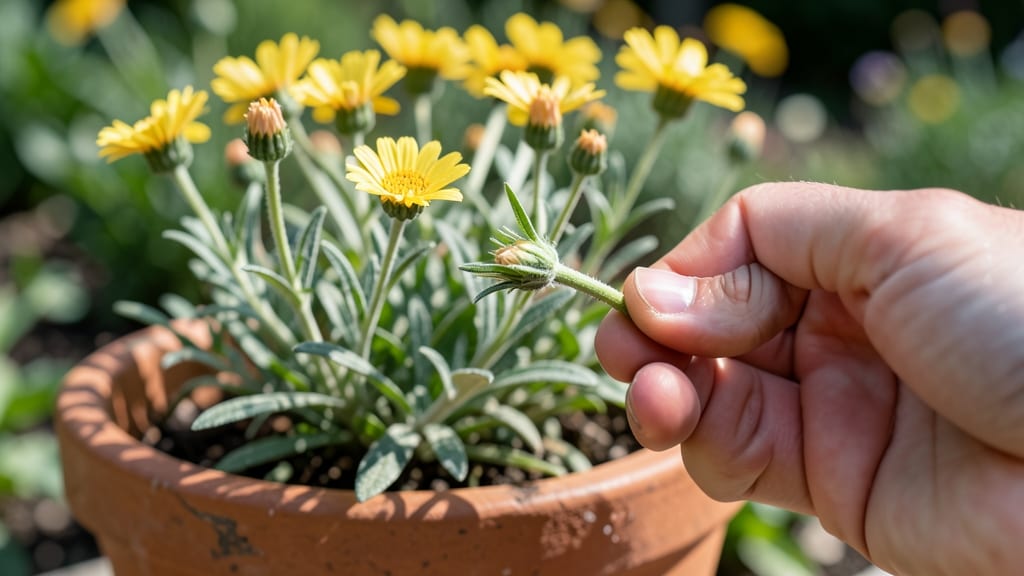
You do pinch strawflower stems to unlock their full potential 🌼—and skipping it could leave you with tall, sparse plants instead of lush, blooming bushes.
Strawflowers (Helichrysum) are prized for their long-lasting blooms, but many gardeners wonder: Should I pinch strawflower stems? The answer could mean the difference between a bushy, floriferous plant and a leggy, sparse one.
Pinching encourages more branches and flowers by trimming the tips of young stems, but timing matters—do it too late, and you’ll miss the growing season entirely.
In this guide, I’ll walk you through when, how, and why to pinch strawflowers, plus common mistakes to avoid for a thriving plant all season long.
Why pinching strawflower stems boosts blooms (and when to skip it)
Strawflowers (Helichrysum bracteatum) are stunning annuals that reward gardeners with long-lasting, papery blooms in shades of white, pink, and gold.
But to unlock their full potential, many growers ask: Do you pinch strawflower stems? The answer lies in understanding how this simple technique triggers hormonal responses that promote bushier growth and more abundant flowers.
Pinching—removing the terminal bud—stops vertical growth and signals the plant to produce lateral branches. This creates a fuller, more compact plant with more flower stems over time.
For strawflowers, which naturally grow tall and leggy without intervention, pinching can transform them from sparse stalks into lush, multi-branched shrubs bursting with blooms.
However, not all strawflowers benefit equally from pinching. Some mature plants or specific varieties may already grow bushy naturally, while others—like dwarf cultivars—might not need it. The key is timing and knowing when to skip this step entirely to avoid stressing your plants.
Before you grab your pruners, let’s clarify the science behind pinching and when it’s truly worth your time. Pinching works by manipulating auxin hormones, which control cell elongation. When you remove the top bud, auxin levels drop in the stem, allowing side buds to wake up and grow.
This isn’t just theory—it’s why your basil gets bushier when you pinch it, and the same logic applies to strawflowers.
For strawflowers, the best time to pinch is when they’re 4-6 weeks old and have developed 4-6 sets of true leaves. This is their vegetative growth phase, when they’re focusing on leaf and stem production.
Pinching at this stage ensures you’re not cutting into flower buds that may already be forming. If you wait too long, you risk pruning off potential blooms, leaving your plant bare and frustrated.
But here’s the catch: Not all strawflowers need pinching. Some varieties, especially compact or hybrid types, are bred to stay bushy without intervention. Pinching these can be unnecessary stress, potentially delaying flowering.
Always check your plant’s cultivar description—if it’s labeled as "bushy" or "compact," you might skip this step.
Another scenario where pinching is counterproductive is with mature strawflowers already in bloom. Once your plant shifts from vegetative growth to flowering stage, pinching can stunt bloom production and leave you with fewer cut flowers. At this point, deadheading spent blooms becomes more important than pinching.
Let’s address a common misconception: Pinching isn’t the same as pruning. Pruning involves removing larger stems or shaping the plant, while pinching is a gentle, precise technique targeting the terminal bud.
Over-pinching—removing too much at once—can shock your strawflower, leading to stunted growth or even flower drop. Think of it as a light trim, not a haircut.
So, how do you know if your strawflower needs pinching? Look for these signs: Tall, sparse stems with few branches, or a plant that’s growing too quickly upward rather than outward.
If your strawflower is already bushy with multiple side shoots, it’s likely happy without intervention. Pay attention to its growth habit—that’s your best guide.
If you’re growing strawflowers in containers, pinching can be especially beneficial. Container-grown plants often have limited root space, so they focus energy on vertical growth. Pinching encourages horizontal branching, filling out your pot and creating a fuller, showier display.
Just be sure to use well-draining soil and adequate sunlight to support this extra growth.
⚠️ callout warning
Pinching is worth it for:
- Young plants (4-6 weeks old) with 4-6 leaf sets
- Tall, leggy varieties like Helichrysum bracteatum
- Container-grown strawflowers needing fuller growth
Skip pinching if:
- Plant is already bushy with multiple branches
- Mature plants in bloom (switch to deadheading)
- Dwarf or hybrid varieties bred for compact growth
Pro Tip: Use clean, sharp scissors or fingers to pinch—never tear stems, as this can cause disease entry points.
Timing is everything when it comes to pinching strawflowers. Aim to do it once or twice during the early growth phase, typically in late spring (after the last frost) or early summer.
Avoid pinching in fall, as your plant will be preparing for dormancy and won’t respond well to pruning. If you miss the window, don’t stress—just focus on deadheading to encourage more blooms.
One final tip: Observe your strawflowers after pinching. Healthy response looks like new side shoots forming within 2-3 weeks. If you see yellowing leaves or stunted growth, you may have pinched too late or too aggressively.
Adjust your approach for the next planting season based on what you learn.
Pinching strawflower stems is a simple yet powerful technique to transform leggy plants into bushy, bloom-filled powerhouses. But like any gardening task, it’s not a one-size-fits-all solution.
By understanding when and how to pinch—and when to skip it—you’ll set your strawflowers up for successful, long-lasting blooms that brighten your garden all season.
Step-by-step guide to pinching strawflowers for maximum flowers
Pinching strawflowers is one of the best ways to transform a tall, leggy plant into a bushy, blooming powerhouse. This simple technique encourages lateral branching by removing the main growing tip, prompting the plant to produce more flower stems instead.
The key is timing—do it too early or too late, and you might stunt growth or miss the flowering window entirely.
I’ve found that starting pinching when your strawflower has 4-6 sets of true leaves (not just the initial seed leaves) yields the best results. This is typically 4-6 weeks after germination, depending on your climate.
Use clean, sharp pruning shears or even your fingernails for a quick pinch—just avoid tearing the stem.
How to Pinch Strawflowers for Bushier Growth
- Step 1: Wait until your strawflower has 4-6 sets of leaves (count from the base). This ensures the plant is established enough to handle pruning.
- Step 2: Use sterilized pruning shears or pinch with your thumb and forefinger just above a leaf node (where leaves meet the stem). This encourages new growth from that point.
- Step 3: Remove the top 1-2 inches of the main stem, focusing on the terminal bud (the very tip). Avoid cutting into woody stems.
- Step 4: Repeat the process on 2-3 side branches if they’ve grown long enough (typically 3-4 inches tall). This creates a fuller, more balanced plant.
- Step 5: Space pinching sessions 2-3 weeks apart during the early growing season (spring to early summer). Stop pinching once flowering begins to avoid reducing bloom production.
For organic pruning, I often use my fingers to pinch off stems—it’s faster and works well for smaller plants. However, if your strawflowers are woody or thick-stemmed, opt for sharp pruners to make clean cuts.
Never pinch more than one-third of the plant’s height at once, or you risk shocking the plant.
A common mistake is pinching too late in the season, which can delay or reduce flowering. I’ve seen gardeners pinch their strawflowers in late summer, only to have sparse blooms by fall.
Stick to spring and early summer for best results. Also, avoid pinching dwarf varieties, as they often don’t need it to stay compact.
After pinching, your strawflowers should start showing new growth within 1-2 weeks. Keep the soil moist but not soggy and ensure they get full sun (6+ hours daily) to support regrowth.
With the right timing and technique, you’ll end up with a floriferous, bushy plant that’s a showstopper in any garden or bouquet.
Pro tip: If you’re growing strawflowers for cut flowers, pinch lightly or skip it entirely—focus on deadheading spent blooms instead. This ensures taller, straighter stems perfect for arrangements. 🌼