
Landscaping
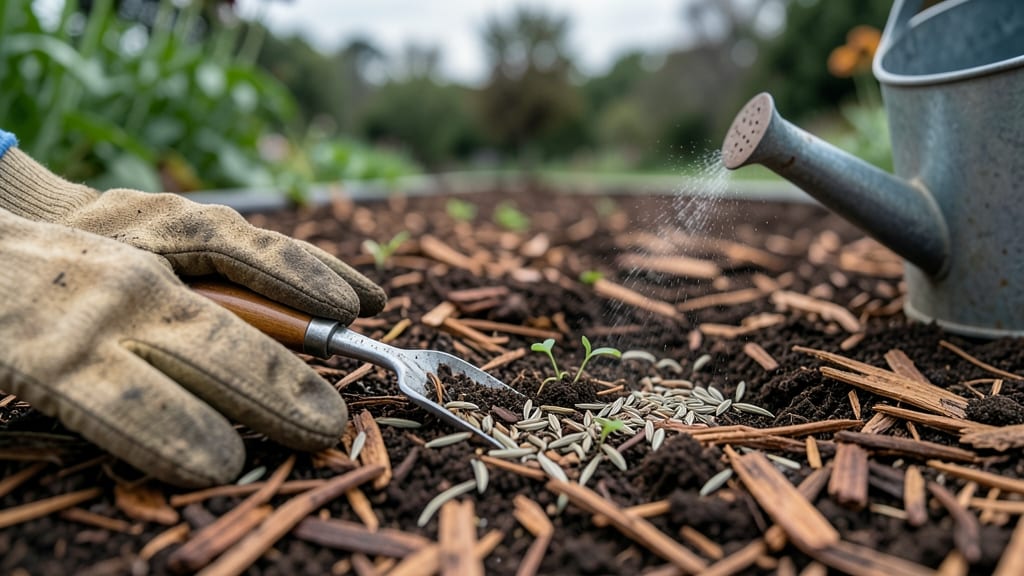
You can put mulch over wildflower seeds—but only if you do it the right way. A thin layer of straw or a lightweight fabric can actually help retain moisture while still letting sunlight reach those tiny seeds.
Here’s the catch: too much mulch, and you’ll smother your 🌼 wildflowers before they even sprout. Many wildflower seeds need light to germinate, so heavy mulch like wood chips or thick layers of bark can block what they need most.
If you’re planting in Zone 6a during spring or fall, the key is a super-light approach—just a sprinkle of straw or a breathable seed blanket. Below, I’ll walk you through the best methods to protect your seeds without suffocating them.
Whether you’re aiming for a pollinator-friendly meadow or just a few cheerful blooms, getting the mulch right makes all the difference. Let’s break down the do’s and don’ts so your wildflowers thrive from day one.
Why mulching over wildflower seeds can be risky (and when it’s safe)
Wildflower seeds are delicate little packages of potential, and their success hinges on two critical factors: light exposure and shallow soil contact. Most wildflower seeds require sunlight to germinate because they lack the energy reserves to break through thick layers of soil or mulch.
When you bury them too deep or smother them with mulch, you’re essentially blocking their lifeline to the sun.
Many gardeners assume mulch is always beneficial, but for wildflowers, the risks often outweigh the benefits. A thick layer of mulch can trap moisture, leading to rot or fungal growth before seeds even sprout.
Even if you intend to help, the wrong approach can turn your wildflower meadow into a damp, seedless disappointment.
That said, mulching isn’t entirely off the table—it just needs to be done with precision. The key lies in understanding seed-specific needs and using mulch as a gentle, protective layer rather than a suffocating blanket.
For example, annual wildflowers like cosmos or zinnias tolerate slightly more coverage than perennial varieties such as black-eyed Susans, which often need near-surface conditions.
Here’s the catch: even the right mulch can fail if applied incorrectly. A ¼-inch layer might work for some seeds, while others need almost no coverage at all. Without careful planning, you risk stifling germination before it begins.
Mulching Wildflower Seeds Can Backfire
Too much mulch blocks sunlight, preventing seeds from germinating. Most wildflower seeds need direct light to trigger sprouting. A layer thicker than ¼ inch can suffocate seeds or trap excess moisture, leading to rot. Even "lightweight" mulches like straw can fail if applied unevenly.
Exception: Some large wildflower seeds (e.g., sunflowers) tolerate slightly deeper coverage, but most native wildflowers require minimal disturbance. Always check seed packet guidelines—if it says "press into soil," mulch is likely unnecessary.
Not all mulches are created equal when it comes to wildflowers. Straw is often the safest choice because it’s lightweight and allows light to penetrate. Wood chips, on the other hand, can decompose too quickly, creating a thick mat that blocks sunlight.
Even organic mulches like shredded leaves can compact over time, turning your seedbed into a dense, airless layer.
Timing also plays a crucial role. If you mulch too early, before seeds have sprouted, you risk creating a barrier that prevents them from breaking through. Conversely, adding mulch after germination can help retain moisture and protect young seedlings from temperature fluctuations.
The window for safe mulching is narrow—typically between seed sowing and first true leaves.
Climate matters too. In dry regions, a light mulch can help retain moisture, but in humid areas, excessive mulch may encourage mold. If you’re in a region with frequent rain, skip mulch entirely or use a fine mesh fabric to protect seeds without smothering them.
One common mistake is assuming all wildflower seeds have the same needs. Native wildflowers, for instance, often evolve to germinate in open, sunny conditions—think prairie landscapes where mulch is nonexistent. In contrast, non-native annuals might tolerate slightly more coverage, but even then, err on the side of caution.
If you’re still unsure, consider alternatives like hydro-mulch (a seed-and-water slurry) or seed blankets, which provide protection without blocking light. These methods mimic natural conditions where wildflowers thrive—open, airy, and sun-drenched.
At the end of the day, mulching wildflower seeds is a gamble unless you’re meticulous. When done right, it can boost success rates by 20-30% by retaining moisture and suppressing weeds.
When done wrong, it can reduce germination by 50% or more**. The difference often comes down to thickness, timing, and the type of mulch you choose.
The right way to mulch wildflower seeds without smothering them
Wildflower seeds need light to germinate, so mulching too heavily can block sunlight and moisture. The key is using a lightweight mulch that protects seeds without suffocating them. Straw is my go-to choice because it breaks down slowly and allows sunlight to reach the soil surface.
Always apply mulch after seeds are planted—never before—to avoid smothering them entirely.
Timing matters too. Mulch wildflower seeds after germination (when tiny sprouts appear) to shield young plants from drying winds. If you mulch too early, seeds may rot from excess moisture. For most wildflowers, wait 7-14 days after planting before adding mulch. This gives seeds time to sprout without interference.
Thickness is critical—never exceed ¼ inch of mulch over wildflower seeds. A thicker layer can trap heat, dry out seeds, or block sunlight entirely. Use a fine mesh or lightweight straw to create a protective barrier while keeping the soil breathable.
For larger areas, spread mulch evenly with a rake to avoid clumps.
| Mulch Type | Max Thickness | Best For | Timing |
|---|---|---|---|
| Straw | ¼ inch | Lightweight coverage | After germination |
| Wood Chips | ½ inch (mature plants) | Established plants only | After 4-6 weeks |
| Leaf Mold | ⅛ inch (max) | Moisture retention | After sprouts appear |
Avoid heavy mulch like bark or compost near seeds—it can block light.
For dry climates, a thin layer of mulch helps retain moisture without overheating seeds. In humid areas, skip mulch entirely or use a mesh cover to prevent fungal growth.
Always monitor soil moisture—wildflower seeds need consistent dampness but not soggy conditions. Water lightly before mulching to ensure seeds stay hydrated without drowning.
If you’re planting in full sun, mulch only in the early morning to avoid heat buildup. For shady areas, a slightly thicker layer (up to ⅛ inch) can help retain moisture.
Always choose organic mulch—it breaks down naturally and won’t suffocate young plants. Avoid synthetic materials like plastic, which trap heat and prevent airflow.
Once wildflowers reach 2-3 inches tall, you can increase mulch thickness to ½ inch for better weed suppression. This protects roots while allowing sunlight to reach leaves.
Remember, less is more with wildflower seeds—patience and light touch are key to strong germination. With the right approach, your wildflowers will thrive without smothering.