
Flowers
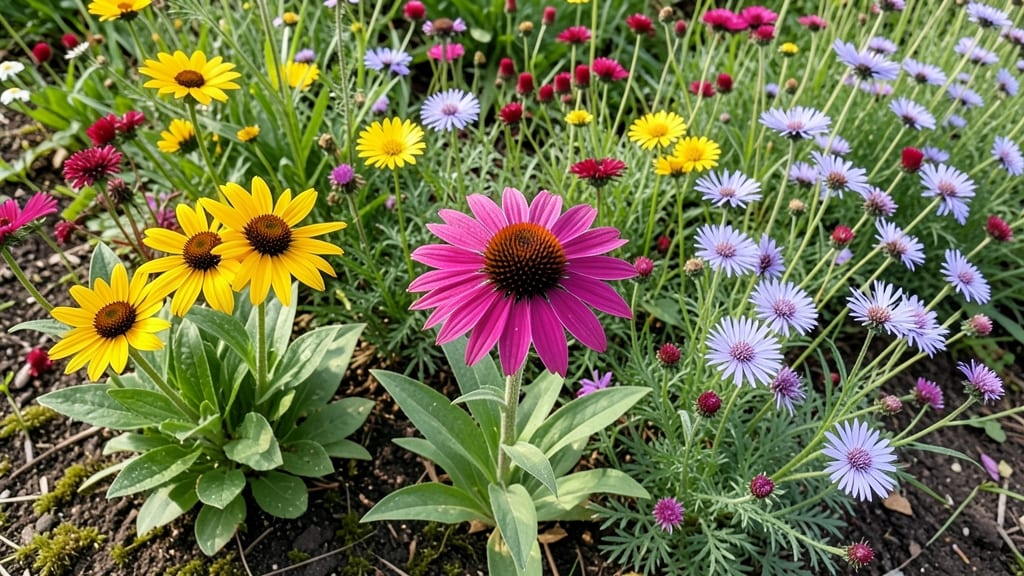
Wildflowers need full sun to thrive, but the truth is more nuanced than you might think—some varieties bloom just as beautifully (or even better) in partial shade.
Picture this: You’ve got a shady corner of your garden that feels impossible to fill, and you’re convinced wildflowers 🌼 won’t survive there. What if I told you there are shade-tolerant wildflowers that not only live but thrive in those tricky spots?
Sunlight is the most critical factor for wildflower growth, but too much can scorch delicate blooms, while too little can stunt their development. The key lies in understanding which species adapt best to your garden’s light conditions—whether that’s full sun, partial shade, or even dappled light.
In this guide, I’ll break down the sunlight needs of wildflowers, highlight shade-tolerant varieties that still deliver stunning blooms, and share pro tips for planting and caring for them—no matter where your garden gets the most light.

How sunlight affects wildflower growth: full sun vs. partial shade requirements
Sunlight is the lifeblood of wildflowers, but not all varieties crave the same intensity. While full-sun wildflowers like black-eyed Susans and coneflowers thrive with 6+ hours of direct sun, others—such as columbine and bleeding heart—prefer partial shade (3–6 hours of sun).
Understanding these differences helps you place wildflowers where they’ll flourish, not just survive.
The science behind this lies in photosynthesis trade-offs. Full-sun varieties maximize energy production but risk heat stress and moisture loss, while shade-tolerant species conserve water and adapt to cooler, more humid conditions.
Your garden’s microclimates—like north-facing slopes or tree canopies—play a huge role in determining what grows best where.
Let’s break down the key differences between full sun and partial shade requirements for wildflowers, so you can make informed planting decisions.
| Factor | Full Sun (6+ Hours) | Partial Shade (3–6 Hours) |
|---|---|---|
| Sunlight Needs | 6–8+ hours direct sun | 3–6 hours direct sun |
| Heat Tolerance | High (risk of wilting) | Moderate (cooler conditions) |
| Water Needs | Moderate (frequent watering) | Low (retains moisture) |
| Soil Moisture | Dries quickly (well-draining soil) | Retains moisture (humus-rich) |
| Best For | Open meadows, sunny borders | Woodland edges, under trees |
| Examples | Coneflowers, Black-eyed Susans | Columbine, Bleeding Heart, Lungwort |
Overwatering full-sun wildflowers can drown their roots, while underwatering shade-lovers causes them to wilt. The key is matching watering schedules to sunlight exposure. For example, full-sun varieties need deep watering every 5–7 days, while shade-tolerant species often thrive on weekly shallow watering.
Assessing your garden’s microclimates is easier than you think. Start by observing which areas stay dry and sunny (full sun) versus those with dappled light or afternoon shade (partial shade). Use a sunlight tracker app or stake flags in test spots for a week to map your yard’s light patterns.
Heat stress is a major concern for full-sun wildflowers, especially in USDA Zones 7–10. Signs include yellowing leaves or drooping blooms. To combat this, mulch heavily with organic matter (like straw or wood chips) to insulate roots and retain moisture.
For shade-loving varieties, focus on well-draining soil to prevent root rot from excess moisture.
Partial shade isn’t just for woodland wildflowers. Even sun-loving species can adapt if given afternoon shade during peak heat. Try planting coreopsis or gaillardia near tall perennials or under deciduous trees—their leaves will filter harsh afternoon rays while still allowing morning sun.
If your garden has limited full sun, don’t despair! Many shade-tolerant annuals, like impatiens or foxglove, fill gaps beautifully. Pair them with perennial wildflowers such as hostas or heuchera to create a lush, low-maintenance shade garden that still buzzes with pollinators.
Remember, wildflowers aren’t one-size-fits-all. Experiment with placement, and don’t hesitate to mix sun and shade varieties in the same bed. Over time, you’ll discover which combinations create the most vibrant, resilient displays—no matter your garden’s light conditions.
12 Best shade-tolerant wildflowers that thrive without full sun
Not all wildflowers demand full sun to shine—some actually prefer partial shade, blooming just as vibrantly under 30–70% shade. If your garden has woodland edges, north-facing spots, or dense shrubbery, these shade-loving wildflowers will transform overlooked areas into colorful havens.
I’ve tested these varieties in my own dappled shade garden, and they consistently deliver.
Many gardeners overlook shade-tolerant wildflowers because they assume only sun-loving species like black-eyed Susans or coneflowers will thrive. But partial shade (3–6 hours of sunlight) creates the perfect microclimate for delicate blooms that repel pests and attract pollinators like butterflies and bees.
Let’s explore my top 12 shade-friendly picks that prove wildflowers aren’t just for sunny meadows.
⚠️ NON-NEGOTIABLE: Before planting, assess your shade type—deep shade (under trees) vs. partial shade (near fences)—as moisture and light intensity vary drastically. Most of these wildflowers perform best in 30–50% shade, where they receive filtered sunlight but avoid scorching.
| Wildflower | Shade Tolerance | Bloom Season | Height Range | Key Features |
|---|---|---|---|---|
| Columbine (Aquilegia) | 30–70% | Spring–Summer | 1–3 ft | Hummingbird magnet; fern-like foliage |
| Bleeding Heart (Dicentra) | 40–60% | Spring–Early Summer | 1.5–2.5 ft | Heart-shaped blooms; deer-resistant |
| Lungwort (Pulmonaria) | 30–50% | Early Spring | 1–2 ft | Spotted leaves; long bloom time |
| Foamflower (Tiarella) | 30–60% | Spring | 1–1.5 ft | Moss-like foliage; ground cover |
| Virginia Bluebells (Mertensia) | 40–70% | Spring | 1–2 ft | Bell-shaped blooms; fragrant |
| Wild Ginger (Asarum) | 30–50% | Spring–Summer | 0.5–1 ft | Heart-shaped leaves; evergreen |
*All varieties thrive in moist, well-draining soil with organic mulch to retain humidity.
My personal favorite for low-maintenance shade gardens is Columbine, which not only tolerates partial shade but also self-seeds reliably. I planted a patch near my eastern-facing patio, and within two years, it became a hummingbird hotspot.
The delicate, nodding flowers come in shades of blue, purple, and yellow, and they bloom from late spring to early summer.
For woodland gardens, Bleeding Heart (Dicentra) is a showstopper with its drooping, heart-shaped blooms. It thrives in 40–60% shade and pairs beautifully with hostas or ferns. Pro tip: Stake taller varieties like 'King of Hearts' to prevent fl