
Light Requirements
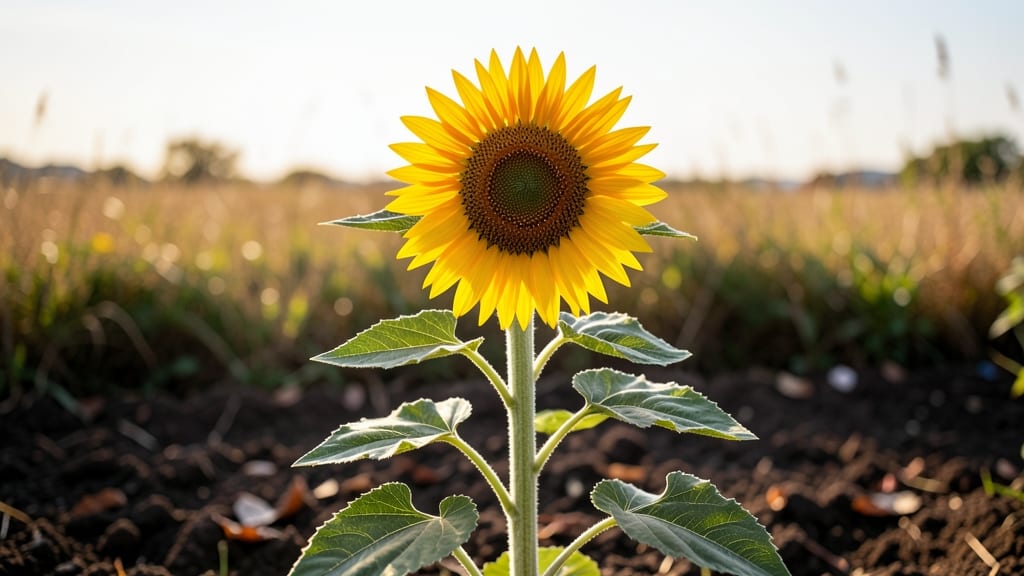
Sunflowers need sun to grow tall and strong — at least 6 hours of direct sunlight daily for those iconic golden blooms 🌻.
Sunflowers are nature’s living sun catchers—but what happens when they don’t get enough light? The answer might surprise you, especially if you’re dreaming of towering, golden blooms in your garden.
Without enough sun, your sunflowers might grow leggy, weak stems, or fail to flower entirely. Even worse, they’ll stretch toward any light source, creating a messy, unbalanced plant that’s more trouble than it’s worth.
In this guide, I’ll show you exactly how to spot sunlight issues, where to place your sunflowers for the best growth, and even a few tricks for shadier spots if you’re working with limited space.

How much sun do sunflowers need for optimal growth?
Sunflowers thrive when basking in sunlight—it’s in their name, after all! These cheerful giants need full sun exposure to reach their towering potential. But how much light is actually enough? The answer depends on your sunflower’s growth stage, with 6-8+ hours of direct sunlight daily being the golden rule.
Without enough light, you might end up with leggy stems and sad, small blooms instead of the dramatic displays you’re dreaming of.
Think of sunlight as the fuel for your sunflowers. Just like how we need energy to grow strong, sunflowers convert sunlight into the nutrients they need through photosynthesis. Skimp on the light, and you’ll see weak stems, pale leaves, and flowers that never fully open.
But don’t worry—with the right placement and a little planning, you can give your sunflowers the light they crave, even in less-than-ideal spots.
Here’s the breakdown of what your sunflowers need at each stage, from tiny seedlings to mature giants ready to bloom. Understanding these stages will help you position your plants for success and troubleshoot any light-related issues before they become problems.
| Growth Stage | Sunlight Needs | Key Requirements | Signs of Stress |
|---|---|---|---|
| Seedlings (0-4 weeks) | 4-6 hours of direct sun | Start in partial shade to prevent scorching; gradually increase light exposure | Leggy, weak stems; pale yellow leaves |
| Vegetative Growth (4-8 weeks) | 6-8 hours of direct sun | Full sun exposure to encourage strong stem development and leaf growth | Slow growth; small, sparse leaves |
| Flowering (8-12 weeks) | 8+ hours of direct sun | Maximum sunlight needed for bud formation and vibrant blooms | Bud drop; flowers fail to open; green centers in blooms |
| Maturity (12+ weeks) | 6-8 hours of direct sun | Maintain consistent light for seed development and plant health | Stunted seed heads; weak stems prone to lodging |
Now that you know the sunlight requirements at each stage, let’s talk about how to measure sunlight in your garden. Not all sunlight is equal—morning sun, afternoon sun, and dappled shade can all affect your sunflowers differently.
To get the most accurate reading, use a sunlight tracker or simply observe your garden throughout the day. Start by marking a spot where you plan to plant your sunflowers and note how many hours it receives direct sunlight.
Pro tip: Use a garden compass or app like Sun Surveyor to track sunlight patterns. These tools can help you identify the sunniest spots in your yard, even if they’re not obvious at first glance.
For example, a north-facing garden might only get a few hours of morning sun, while a south-facing spot could be bathed in light all afternoon. Position your sunflowers where they’ll get the most consistent exposure.
If your garden lacks natural sunlight, don’t despair! You can supplement with grow lights or choose a sunflower variety that tolerates partial shade. However, even shade-tolerant varieties will produce better blooms with full sun.
For instance, ‘Moulin Rouge’ or ‘Teddy Bear’ sunflowers are more adaptable but still thrive with plenty of light. Consider using reflective surfaces like white walls or mirrors to bounce extra light onto your plants.
Another common mistake is assuming that partial shade is enough for sunflowers. While they might survive in shadier conditions, their growth will be stunted, and their blooms will be smaller and less vibrant.
If you’re working with limited space, opt for dwarf varieties like ‘Little Becka’, which can handle slightly less sun but still need at least 4-6 hours of direct light daily. Even in these cases, the more sun they get, the happier—and taller—they’ll be!
Remember, sunflowers are heliotropic, meaning their flower heads follow the sun as it moves across the sky. This behavior is most noticeable in young buds and is a fascinating way to observe their love for sunlight.
If you notice your sunflowers leaning or stretching toward a light source, it’s a clear sign they’re craving more. At this point, it’s time to transplant them to a sunnier spot or provide additional light support.
Finally, don’t forget that seasonal changes can affect sunlight exposure. In early spring or late summer, when the sun is lower in the sky, your sunflowers might need to adjust their position to maximize light absorption.
If you’re planting in containers, you can easily move them around your yard or patio to follow the sun’s path. For in-ground plants, plan ahead by choosing a location that gets the most consistent sunlight throughout the growing season.
With the right amount of sun, your sunflowers will reward you with vibrant blooms, strong stems, and even edible seeds. So grab your sunlight tracker, scout out the sunniest spots in your garden, and get
Signs your sunflowers aren’t getting enough sun (and how to fix it)
Sunflowers are famous for their love of sunlight, but when they don’t get enough, their growth can suffer in surprising ways. Pale, stretched stems and small, weak blooms are classic red flags that your sunflowers are crying out for more light.
Even if your garden gets some sun, nearby trees or buildings might be blocking the 6+ hours of direct sunlight these plants crave daily.
I’ve seen sunflowers in my own garden struggle when placed too close to a tall fence or under a partially shaded patio. The first sign? Their leaves start looking yellowish-green instead of vibrant green, and the stems grow long and spindly as they stretch toward any available light.
Don’t ignore these clues—your sunflowers might be telling you they need a better spot!
🌱 Warning: Sunflowers in Low Light
Sunflowers require 6-8+ hours of full sun daily. Without it, they’ll grow leggy, weak, and prone to disease. Even partial shade (less than 4 hours of sun) can stunt growth and reduce bloom size. If your sunflowers show these signs, relocate them immediately to a sunnier spot or use reflective surfaces to boost light exposure.
One of the most frustrating signs of sunlight deficiency in sunflowers is stunted growth. Healthy sunflowers can reach 8-14 feet tall, but when deprived of light, they might only grow to 3-4 feet with tiny, underdeveloped flower heads.
I once had a sunflower plant that barely grew past my waist—it looked like a sad, miniature version of its sun-loving siblings!
Another clue is leaf discoloration, where the leaves develop yellow patches or purplish tinges along the veins. This happens because the plant isn’t producing enough chlorophyll without sufficient light. If you notice this, check the light exposure in your garden.
A simple trick is to use a sunlight tracker (or even a phone app) to measure how many hours of direct light your sunflowers actually receive each day.
If you’re dealing with limited sunlight in your garden, don’t give up on sunflowers just yet! You can try reflective surfaces, like white walls or mirrors, to bounce extra light onto your plants. Another trick is to rotate your sunflowers every few days so all sides get equal exposure.
For containers, place them on a sunny balcony or deck where they can follow the sun’s path throughout the day.
For severe low-light conditions, consider planting dwarf sunflower varieties like ‘Teddy Bear’ or ‘Moulin Rouge,’ which tolerate slightly less sun. These varieties still need at least 4-6 hours of light, but they’re more forgiving than giant sunflowers.
Pair them with fast-growing companion plants like marigolds or nasturtiums to maximize your garden’s sunlight potential.
Remember, sunflowers are sun-worshippers at heart. If you give them the light they crave, they’ll reward you with bold blooms, strong stems, and those iconic golden faces that brighten up any garden.
Keep an eye on their growth habits, and don’t hesitate to reposition them if they start looking sad and stretched. Your sunflowers will thank you with a show-stopping display! 🌻