
Flowers
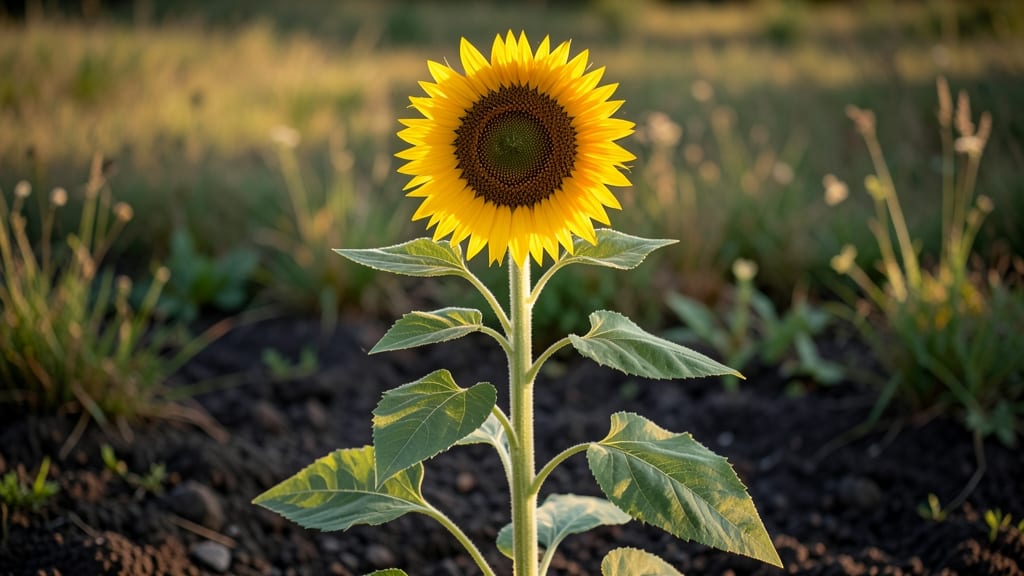
Do sunflowers need full sun? They thrive in it with 6 to 8+ hours of direct light daily—this is their secret to reaching towering heights and vibrant blooms.
Picture this: leggy stems stretching toward the sky, buds that never open, or—worst of all—plants that give up entirely. That’s what happens when sunflowers 🌻 don’t get enough sunlight, and it’s a heartbreaking sight after all your hard work.
But here’s the good news: sunflowers are tougher than they look. While they crave full sun, they can tolerate partial shade in a pinch—especially in hot climates where afternoon sun might be too intense. The key is understanding how to balance their needs for your specific growing zone.
In this guide, I’ll break down exactly how much sun sunflowers need, which varieties handle less light best, and 5 actionable tips to maximize their growth—even in shadier spots. Let’s get those stems strong and those blooms bright!

How much sun sunflowers actually need (and what happens if they don’t get it)
Sunflowers thrive when basking in full sun, but how much exactly? These towering beauties need 6 to 8+ hours of direct sunlight daily to reach their full potential. Without enough light, their growth becomes stunted, and those iconic blooms shrink dramatically.
Even partial shade can lead to weak stems and closed buds, leaving you with a shadow of their usual glory.
Think of sunlight as the fuel for photosynthesis—the process that turns light into energy for your sunflowers. When they don’t get enough, their leaves struggle to produce the chlorophyll needed for growth.
This leads to a cascade of problems, from pale stems to tiny, underdeveloped flowers. In extreme cases, they may not bloom at all, leaving you with nothing but a tall, leggy stalk.
Here’s the breakdown of what happens when sunflowers don’t get enough light, from seedling to maturity:
| Growth Stage | Sunlight Needs | What Happens Without Enough Light | Visual Signs |
|---|---|---|---|
| Seedling | 4-6 hours | Slow germination, weak stems | Pale, thin leaves |
| Vegetative | 6+ hours | Stunted growth, leggy stems | Elongated internodes |
| Flowering | 8+ hours | Small blooms, closed buds | Pale yellow centers |
| Seed Development | 6-8 hours | Underdeveloped seeds, poor yield | Shriveled seed heads |
During the vegetative stage, when sunflowers are focusing on growing leaves and stems, they need at least 6 hours of sunlight to develop strong roots and sturdy stems.
This is when they’re most vulnerable to light deprivation, often resulting in etiolation—a term for when plants stretch unnaturally toward light sources, creating weak, spindly growth. You’ll notice their stems become pale and elongated, almost like they’re reaching for the sky.
When sunflowers enter the flowering stage, their sunlight requirements increase to 8+ hours daily. This is when they channel their energy into producing those iconic blooms. Without enough light, their flower buds may never fully open, leaving you with closed or deformed blooms.
Even if they do bloom, the flowers will be significantly smaller, and the center disks (where seeds develop) may turn pale or fail to mature properly.
The photosynthesis efficiency of sunflowers drops dramatically in low-light conditions. In full sun, their leaves can absorb up to 90% of available light, maximizing energy production.
But in partial shade, this drops to as low as 30-50%, forcing the plant to divert energy away from growth and toward survival. This is why sunflowers grown in shady spots often produce tiny, weak flowers or fail to bloom entirely.
If you’re growing sunflowers in a hot climate, like the Southwest U.S., they can handle intense afternoon sun with ease. However, in cooler regions like the Pacific Northwest, they may benefit from morning sun and afternoon shade to prevent stress.
Always monitor your plants for signs of sunburn, which appears as crispy, brown edges on leaves, especially during peak summer months.
One common mistake gardeners make is assuming that partial shade will suffice, especially in urban gardens with limited space. While some dwarf varieties like 'Teddy Bear' can tolerate 4-6 hours of sun, they’ll still produce smaller blooms.
For giant varieties like 'Russian Giant,' anything less than 8 hours of sun will result in disappointing growth. If you’re set on growing sunflowers in a shady spot, consider using reflective surfaces, like white walls or mirrors, to bounce extra light onto your plants.
To ensure your sunflowers get the sunlight they crave, plant them in the sunniest spot in your garden, ideally facing south. If your garden is surrounded by tall structures, like fences or trees, opt for dwarf or semi-dwarf varieties that can thrive in slightly less light.
And remember, even a few hours of direct morning sunlight is better than none—it’s the quality of light that matters most for these sun-loving plants.
If you notice your sunflowers stretching toward the light or developing weak stems, it’s not too late to help them. Move them to a sunnier spot immediately and consider using a grow light for a few hours a day if natural light is insufficient.
With the right conditions, your sunflowers will reward you with vibrant blooms and towering stems that bring joy to any garden.
Best sunflower varieties for low-light gardens (and how to maximize their potential)
While sunflowers thrive in full sun, some varieties adapt surprisingly well to partial shade. If your garden only gets 3-6 hours of sunlight, don’t despair—these sunflower types can still deliver stunning blooms with the right care.
The key lies in choosing the right variety and optimizing their growing conditions.
Most sunflowers need 6-8+ hours of direct sunlight to reach their full potential, but dwarf varieties and early-season bloomers often tolerate lower light better.
For example, the 'Teddy Bear' sunflower matures quickly and handles partial shade better than towering giants like 'Russian Giant', which will stretch painfully in dim conditions.
Here’s the truth about sunflowers and sunlight—what works, what doesn’t, and how to make the most of limited light in your garden.
Do Sunflowers Need Full Sun?
- Max bloom size (up to 12")
- Stronger stem structure
- Faster growth rate
- Higher seed yield
- Smaller flower heads (3-6")
- Leggy stems (prone to flopping)
- Slower maturation (late blooms)
- Reduced seed production
- Choose dwarf varieties (e.g., 'Teddy Bear')
- Use reflective surfaces (mirrors, white mulch)
- Plant near tall structures (fences, walls)
- Rotate seasonally for better light
- 'Teddy Bear' (1-2 ft tall)
- 'Moulin Rouge' (dark petals)
- 'Autumn Beauty' (striped blooms)
- 'Sunspot' (compact habit)
For partial-shade gardens, prioritize early-maturing varieties like 'Teddy Bear' or 'Sunspot,' which can complete their life cycle before summer shade intensifies. These types also benefit from companion planting—pair them with tall grasses or trellised beans to create a microclimate that reflects extra light onto their leaves.
Strategic placement matters too. Position your sunflowers near south-facing walls or white-painted fences, which bounce sunlight onto the plants. Even a 10% increase in reflected light can make a noticeable difference in bloom size and stem strength.
In my own partial-shade garden, I’ve seen 'Teddy Bear' sunflowers reach 50% of their full-sun height with these tricks!
If your garden gets less than 3 hours of sunlight, consider growing sunflowers in containers near a south-facing window or under a grow light for 4-6 hours daily. Dwarf varieties like 'Sunspot' thrive in these conditions, producing cheerful blooms even in urban balconies or shady patios.
Remember, sunflowers are resilient—with the right variety and a little extra care, you can still enjoy their bright faces and whimsical charm in low-light spots. The secret? Choose wisely, place strategically, and don’t forget the reflective surfaces! 🌻