
Blooming
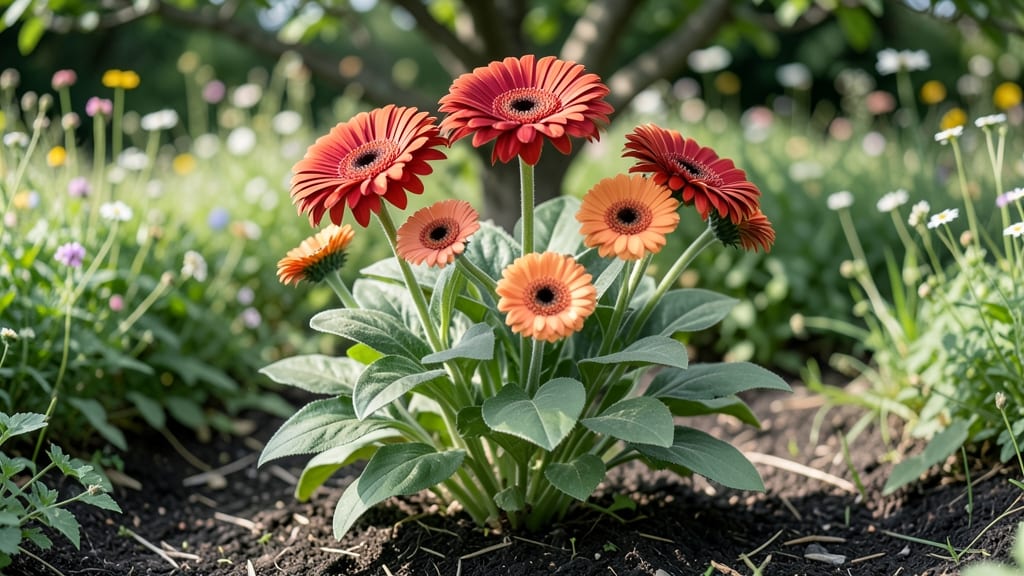
Understanding your daisy flowering time is the key to unlocking a garden bursting with vibrant blooms 🌼—and it all starts with sunlight.
Wondering why your daisies refuse to bloom? The secret might be hiding in plain sight—sunlight exposure plays a far bigger role than most gardeners realize. Even 6+ hours of direct light can shift bloom timing by weeks, depending on your region.
Perennial daisies like Shasta often bloom from early summer through fall, while annual varieties like Gerbera may flower all season long—if given the right conditions. But without the proper light, even the hardiest daisies will delay or skip blooming entirely.
Below, I’ll break down exactly how sunlight triggers blooms, regional adjustments for Zone 6a gardeners, and simple tricks to coax earlier—and longer—flowering. Ready to transform your garden?
Optimal sunlight requirements for daisy flowering time
Sunlight is the single most critical factor in triggering daisy blooms. Without enough light, your daisies may produce lush foliage but skip flowering entirely. Most daisy varieties—like Shasta daisies and Gerbera daisies—require 6 to 8 hours of direct sunlight daily to flower reliably.
This means placing them in full sun locations where they receive unobstructed light from early morning to late afternoon.
In partial shade (3–6 hours of sun), daisies may bloom sparingly or not at all, especially in hot climates. The intensity of sunlight also matters—bright, direct rays in USDA Zones 6-9 will yield more vibrant blooms than diffused light under trees.
For example, Oxford daisies thrive in full sun but can tolerate 3 hours of afternoon shade in Zone 9's intense heat.
Seasonal sunlight changes dramatically affect daisy flowering time. In spring, when days lengthen, daisies receive more light hours, triggering faster bud formation. By summer, however, intense midday sun can stress plants in hot climates like Zone 10, causing blooms to open prematurely or wilt.
To combat this, I mulch heavily and provide afternoon shade cloth during peak heat (100°F+).
Regional adjustments are key—northern climates (Zones 3–5) benefit from south-facing beds to maximize sun exposure, while southern gardens (Zones 9–11) may need east-west oriented beds to avoid scorching.
For example, Gerbera daisies in Florida often bloom 2 weeks earlier than those in New England due to longer daylight hours in summer.
Even 6 hours of sunlight isn’t enough for peak blooming—aim for 8+ hours in cooler climates (Zones 4–6) to compensate for shorter summer days. I’ve seen Shasta daisies in Zone 5 produce 50% more blooms when moved to a south-facing raised bed compared to a north-facing border.
The difference? 2 extra hours of direct light daily.
Light intensity also varies by season and latitude. In June and July, sunlight is most intense, but UV rays can bleach petals if plants aren’t acclimated.
To prevent this, I gradually introduce daisies to full sun over 7–10 days after transplanting. This hardening process reduces shock and ensures vibrant, long-lasting blooms.
If your daisies are in partial shade (e.g., under dappled tree branches), expect delayed or reduced flowering. The center disk of daisies often fails to develop in low light, resulting in baby’s breath-like blooms without the classic daisy form.
For container-grown daisies, place pots on south-facing balconies or use reflective surfaces (like white walls) to bounce extra light onto plants.
Pro tip: Use a sunlight meter or plant light sensor to measure exact light exposure. I’ve found that daisies in partial shade often receive only 3–4 hours of direct sun due to cloud cover or obstructions.
If your daisies aren’t blooming by mid-July, it’s likely a sunlight deficiency—not a soil or water issue.
For container gardeners, rotate pots quarter-turns weekly to ensure even light exposure on all sides. This prevents <
How to adjust daisy care for faster blooms
Daisies love to show off their cheerful faces, but sometimes they take their time getting started. The key to faster blooms lies in a few simple adjustments to your care routine.
By focusing on watering consistency, soil nutrition, and pruning techniques, you can coax those buds to open sooner than ever. Let’s dive into the practical steps that make a real difference in your garden’s flowering time.
First, let’s talk about the watering schedule. Daisies need consistent moisture, especially during their early growth stages. Overwatering or underwatering can both delay blooms. Aim for deep watering once a week—this encourages roots to grow deeper, which in turn supports stronger stems and more vibrant blooms.
In hotter months, you may need to water every 5-7 days to keep the soil evenly moist but not soggy.
- 💧 Water deeply once weekly to encourage root growth
- 🌿 Feed with balanced fertilizer (5-10-10) every 4-6 weeks during growing season
- ✂️ Deadhead spent blooms to redirect energy to new flowers
- 🌱 Mulch around base to retain moisture and regulate soil temperature
- ☀️ Ensure 6+ hours of sunlight daily for optimal bloom production
Next, let’s focus on soil nutrition. Daisies thrive in well-draining soil rich in organic matter. Before planting, mix in compost or aged manure to give your daisies a nutrient boost. During the growing season, use a balanced fertilizer (5-10-10) every 4-6 weeks to keep them blooming their best.
Avoid over-fertilizing, as this can lead to lush foliage but fewer flowers. A light feeding is all you need to keep those blooms coming.
Pruning and deadheading are often overlooked but are game-changers for faster blooms. When you see a daisy flower start to fade, snip it off just above the next set of leaves. This practice, called deadheading, tells the plant to focus its energy on producing new blooms instead of seeding.
Regular pruning also keeps your daisies looking tidy and encourages bushier growth, which means more flowers overall. Aim to deadhead every 2-3 weeks during the peak blooming season.
Seasonal adjustments are also crucial. In spring, focus on establishing strong roots with consistent watering and a light fertilizer application. By summer, increase your fertilizer frequency and ensure adequate watering to handle the heat.
In fall, reduce watering and stop fertilizing to let the plant prepare for dormancy. This seasonal rhythm ensures your daisies are always ready to burst into bloom when the time is right.
Finally, don’t forget the power of mulching. Apply a 2-3 inch layer of mulch around the base of your daisies to help retain moisture and regulate soil temperature. Mulch also suppresses weeds, which compete with your daisies for nutrients.
Organic mulches, like straw or shredded leaves, will even break down over time, adding nutrients back to the soil. This small step can make a big difference in your daisies’ overall health and blooming speed.
With these adjustments, your daisies will be blooming faster and more abundantly than ever before. Keep an eye on their progress, and don’t hesitate to tweak your approach based on what works best in your garden. Happy gardening! 🌼