
Watering
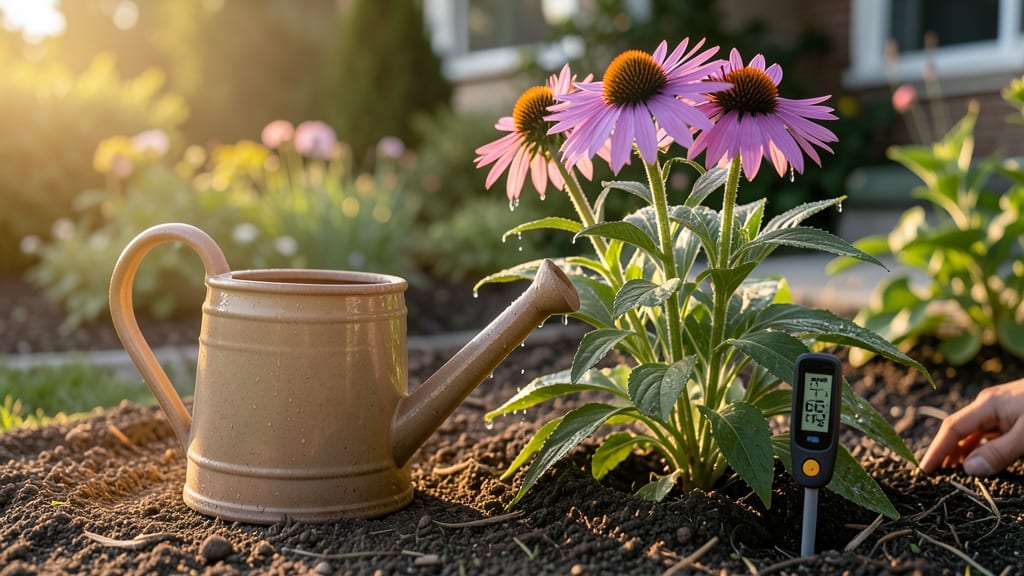
Mastering coneflower water requirements is the secret to those bold purple blooms that last from mid-summer until frost — and skipping this step means wilting plants before they even peak.
Picture this: you’ve just planted your 🌼 coneflowers in well-draining soil, but by July, the edges are browning while the center stays soggy. That’s not a bad plant — it’s a watering mismatch.
Too much or too little, and you’ll miss out on the drought-tolerant charm these perennials are known for.
Here’s the truth: coneflowers thrive on consistency, not excess. They hate soggy roots but won’t survive bone-dry soil either. The key is seasonal adjustments—weekly soaks in summer, a light sip in winter, and mulch to keep moisture where it belongs.
In this guide, I’ll walk you through exactly how often to water, how to spot over- or under-watering, and why your local climate might need tweaks to the classic routine.
Ideal watering schedule for coneflowers based on growth stage
Mastering the watering schedule for your coneflowers is the secret to those vibrant purple blooms you adore. These hardy perennials thrive with the right balance—not too wet, not too dry. The key?
Adjusting your watering routine based on their growth stage, from delicate seedlings to established plants. Let’s break it down so you can keep your coneflowers happy and blooming season after season.
Newly planted coneflower seedlings need the most attention—consistent moisture is critical during their first few weeks. Overwatering can drown their roots, while underwatering stresses them before they establish. Think of this stage as their foundation phase, where proper watering sets the stage for years of blooms.
Once they’re settled, your routine can shift to a more relaxed schedule.
Here’s how to tailor your watering schedule for each stage of your coneflowers’ lifecycle, including seasonal tweaks to keep them thriving:
For seedlings, focus on shallow but frequent watering to prevent root rot. Use a spray bottle or gentle stream to keep the soil moist but not saturated. Once they’ve rooted (after about 4-6 weeks), you can ease up slightly—deep watering once a week becomes the goal.
This encourages roots to grow deeper, making your coneflowers more drought-resistant over time.
During the growing season (spring and fall), aim for 1 inch of water per week. If your area experiences heatwaves, increase to every 5-7 days and water deeply—2-3 inches—to reach the roots.
Morning watering is best to reduce evaporation and fungal risks. Pro tip: Use a moisture meter or the "finger test" (stick your finger 2 inches into the soil) to gauge when it’s time to water.
When summer rolls around, your coneflowers will be in full bloom mode. This is when they need the most water, but also when they’re most drought-tolerant.
If you’ve established a mulch layer (2-3 inches of straw or wood chips), you can reduce watering slightly—mulch locks in moisture and keeps roots cool. Just monitor the soil; if it’s dry 1 inch down, it’s time to water again.
As temperatures drop and your coneflowers prepare for dormancy, shift to a bi-weekly schedule in late summer, then taper off to monthly checks in winter. The goal is to keep the soil barely moist—not soggy.
Overwatering in winter can lead to root rot or fungal issues. A light sprinkle or a quick check with your finger is all you need during these months.
One of the best ways to simplify watering is to use mulch. A 2-3 inch layer of organic mulch (like shredded leaves or straw) helps retain moisture, regulates soil temperature, and reduces weeds.
Apply mulch after planting and replenish it as it breaks down. This small step can cut your watering needs by up to 30% during hot months.
Don’t forget to adjust for rainfall! If you’ve had a steady week of rain (1 inch or more), skip your scheduled watering. Coneflowers are resilient and can handle occasional dry spells, especially once established.
Always check the soil first—if it’s damp, hold off on watering. This mindful approach saves time and keeps your plants healthier.
Finally, watch for signs of stress like wilting leaves or yellowing foliage. These can signal either overwatering or underwatering. Adjust your schedule accordingly—
Signs of overwatering vs. underwatering in coneflowers (and how to fix it)
Your coneflowers might look healthy from afar, but their watering routine could be silently sabotaging them. Overwatering and underwatering both cause stress—one through root rot, the other through dehydration. The key is learning their subtle signals before it’s too late. Let’s decode what your plants are really telling you.
Start by checking the soil moisture 1-2 inches below the surface. Stick your finger in—if it feels damp, you’re likely overwatering. If it’s bone-dry, your coneflowers are thirsty. Yellowing leaves or mushy stems scream "too much water," while crispy edges or wilting in the heat mean "not enough."
Coneflower Watering: Pros & Cons
✅ Overwatering Signs & Fixes
- Yellow leaves (especially lower ones)
- Mushy stems or blackened roots
- Fungal spots on foliage
- Slow growth despite ample water
Fix: Let soil dry between waterings. Improve drainage with gravel or sand.
❌ Underwatering Signs & Fixes
- Wilting even when soil feels moist
- Crispy leaf edges or browning
- Dropped buds before blooming
- Stunted growth or no new foliage
Fix: Water deeply 1-2 times/week (more in heat). Use mulch to retain moisture.
For overwatered coneflowers, stop watering immediately and repot if needed into well-draining soil. Add perlite or compost to improve aeration.
If roots smell foul, trim the rotten parts and replant in fresh soil. Underwatered plants need a deep soak—aim for 1-2 inches of water per session until it drains from the bottom.
Morning watering is your best friend—it gives leaves time to dry before nightfall, reducing fungal diseases like powdery mildew.
If your coneflowers are in containers, they dry out faster than in-ground plants, so check soil daily in summer. Mulching with straw or shredded bark locks in moisture and keeps roots cool.
Pay attention to seasonal shifts. In summer, you might water every 5-7 days, but in winter, monthly watering is often enough. Observe your plants’ natural rhythm—healthy coneflowers should bounce back from a light pinch within hours. If they don’t, adjust your routine immediately.
Remember, coneflowers are tough survivors. A little neglect won’t kill them, but chronic over- or underwatering will. Trust your fingers and eyes more than a schedule—your plants will thank you with bold blooms all season long. 🌼