
Light Requirements
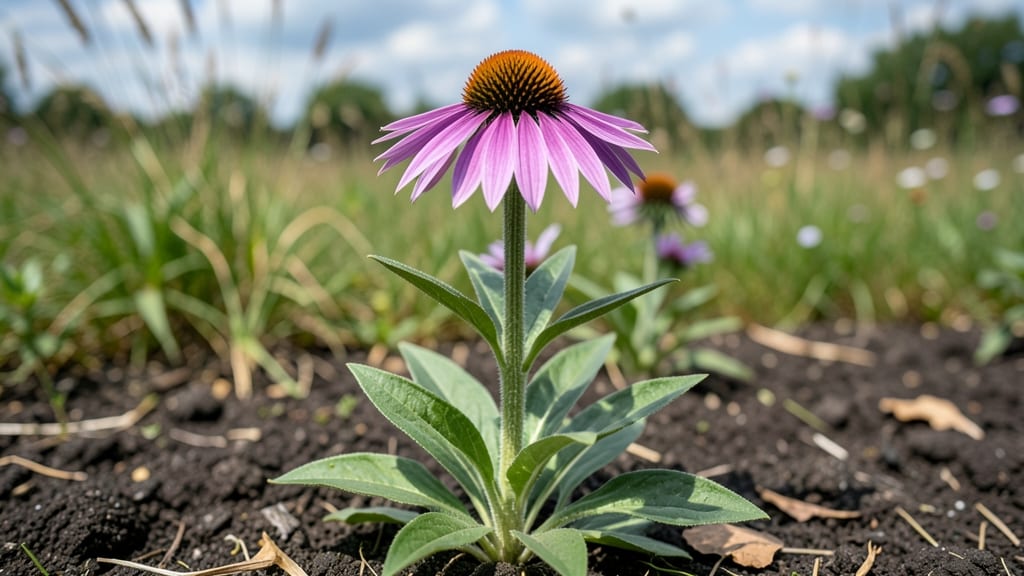
The coneflower light requirements call for full sun with at least 6 hours of direct light daily 🌼 — the key to those bold, long-lasting blooms you love so much.
Wondering why your coneflowers aren’t blooming as vibrantly as they should? The answer might lie in their light exposure—getting this right can transform your garden’s late-summer color display from lackluster to spectacular.
Too little sun and you’ll get leggy stems and sparse flowers. Too much intense heat without shade can scorch leaves, especially in USDA Zone 6a summers. The trick is finding that sweet spot where your plants get plenty of light but stay cool enough to keep flowering strong.
In this guide, I’ll break down exactly how much sun coneflowers need, how to tell if yours are getting it right (or wrong), and how to adjust their light exposure for the biggest, healthiest blooms all season long.

Ideal sunlight levels for coneflower growth and blooming
Coneflowers (Echinacea spp.) are sun lovers, and their vibrant blooms depend on getting the right amount of light. While they thrive in full sun, some varieties tolerate partial shade—but with trade-offs in flower production and plant vigor.
Understanding these light requirements is key to growing coneflowers that burst with color from mid-summer to fall.
Most coneflower varieties—like the classic Echinacea purpurea—demand 6 to 8 hours of direct sunlight daily for peak performance.
However, Echinacea pallida (pale purple coneflower) and Echinacea paradoxa (yellow coneflower) can adapt to 4 to 6 hours of sun, especially in hot climates where afternoon shade helps prevent leaf scorch. Let’s break down how to measure sunlight and choose the best spot for your plants.
To measure sunlight in your garden, use a sunlight tracker or observe the area for a week. Mark the hours of direct sun your spot receives—aim for 6+ hours for most varieties.
If your garden only offers partial shade, choose Echinacea pallida or plant in a spot with morning sun and afternoon shade to avoid stress.
In hot climates (Zones 8–10), afternoon shade is crucial to prevent leaf scorch or wilting. I’ve seen coneflowers in Phoenix, AZ, thrive with 3–4 hours of morning sun and dappled shade the rest of the day.
For cooler regions (Zones 3–6), full sun is ideal, but mulch heavily to protect roots from winter freeze-thaw cycles.
Container-grown coneflowers need even more sun than in-ground plants because pots heat up faster. Place containers on south- or west-facing patios and use light-colored pots to reflect excess heat.
If your balcony only gets 3–4 hours of sun, opt for Echinacea paradoxa—it’s the most shade-tolerant variety and still produces cheerful yellow blooms.
Watch for tall, leggy stems or fewer blooms—these are red flags your coneflowers need more sunlight. Conversely, crispy leaf edges or bleached petals mean they’re getting too much direct sun. Adjust by moving plants or adding light shade cloth (30–50% coverage) during peak afternoon hours.
Pro tip: Prune spent blooms in early summer to encourage reblooming, but only if your coneflowers get full sun. Plants in partial shade may not rebloom as vigorously, so focus on removing dead foliage to improve air circulation and light penetration.
For maximum bloom power, pair coneflowers with low-growing companions like sedum or salvia to prevent shading from taller perennials. In my USDA Zone 5 garden, I’ve seen Echinacea purpurea produce 30% more blooms when planted alongside Russian sage, which doesn’t compete for light.
Remember, coneflowers are drought-tolerant once established, but their light needs directly impact their hardiness. A well-placed coneflower in full sun will reward you with bold blooms and long-lived foliage for years—making it one of the easiest perennials to grow once you nail the sunlight equation. 🌼
Signs your coneflowers aren’t getting the right light (and how to fix it)
If your coneflowers are producing fewer blooms than usual or look leggy and weak, their light exposure might be the culprit. These hardy perennials thrive in full sun, but too much shade or scorching sunlight can stifle their growth.
I’ve seen many gardeners overlook subtle signs until their plants struggle to recover.
One of the first clues is sparse or delayed blooming. Coneflowers need 6+ hours of direct sunlight daily to produce their iconic purple or pink daisy-like flowers. Without enough light, they’ll focus energy on leafy growth instead of blooms.
Even pale, yellowing leaves can signal insufficient light, while crispy, brown edges often mean too much intense sun.
Coneflowers are sun-lovers but can’t handle extreme heat without proper care. Leaf scorch from afternoon sun or stunted growth from shade both reduce blooms. Fix it now by adjusting placement or using shade cloth in hot climates.
For container-grown coneflowers, light needs are even more critical since pots can overheat. If your potted plants show drooping stems or small, weak flowers, they’re likely underwatered or overheated due to poor airflow and light exposure.
Move them to a sunnier spot with morning sun and afternoon shade if needed.
In-ground coneflowers may show leggy stems reaching upward—a classic sign of stretching toward light. This happens when they’re planted under tall trees or structures that cast shifting shadows.
To fix this, thin nearby foliage or transplant them to a sunnier border. Even 3-4 hours of extra sunlight can make a dramatic difference in bloom quality.
Another red flag is powdery mildew on leaves, often caused by low light and high humidity. Improve airflow by pruning crowded stems and ensuring they get at least 6 hours of sun.
If your coneflowers are in a shady spot with no escape, consider relocating them or choosing shade-tolerant varieties like Echinacea pallida, which handle partial shade better than others.
Don’t wait until next season to adjust—spring or early summer is the best time to reposition coneflowers for optimal light. A south-facing bed or east-west orientation works best in most climates. With the right light, your coneflowers will reward you with bold, long-lasting blooms that attract pollinators all season.