
Propagation
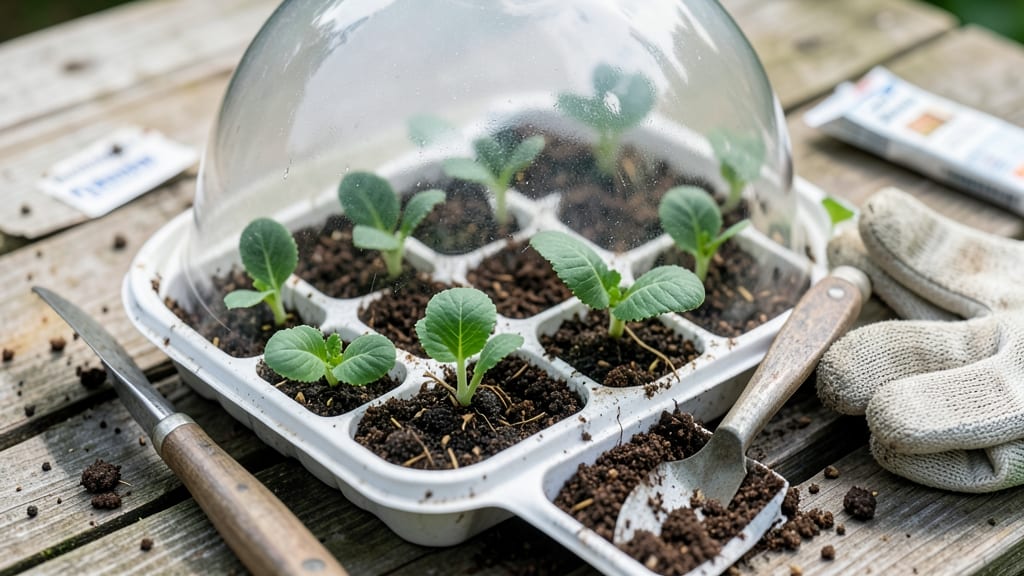
Understanding the cauliflower germination time is key—those seeds can sprout in just 5-14 days, but many gardeners overlook the simple tricks to speed up the process and see those first sprouts 🥬.
Picture this: you’ve planted your seeds, kept the soil damp, and crossed your fingers for weeks, only to wonder why nothing’s happening. The truth? Germination speed depends on more than just patience—it’s about temperature, moisture, and even how you prep your seeds before planting.
In this guide, I’ll break down the exact conditions your cauliflower seeds need to pop in 5-10 days instead of dragging out for weeks. We’ll cover soil warmth, seed soaking, and the best depth to plant for faster results—no guesswork required.
Whether you’re a first-time grower or a seasoned gardener, these pro tips will help you maximize germination success and get your cauliflower off to a strong start.
How long do cauliflower seeds take to germinate (and how to speed it up)
If you've ever waited two weeks for cauliflower seeds to sprout, you know the frustration. Under ideal conditions, these seeds typically germinate in 5-14 days, but many gardeners see delays due to overlooked factors like soil temperature or moisture balance.
The good news? With the right approach, you can cut that window by 30-50%, seeing tiny sprouts in just 5-10 days—without compromising plant health.
Cauliflower seeds thrive when soil stays between 60-85°F. Below 50°F, germination slows dramatically, while temperatures above 90°F can kill seeds before they sprout. Even slight variations in moisture levels or seed depth (¼ inch max) create roadblocks.
The key? Combining precise environmental control with pre-treatment techniques like soaking or scarification to break dormancy barriers.
Why timing matters: Faster germination means earlier transplants, which translates to larger heads and longer harvest windows. In cooler climates, shaving even 3 days off germination lets you squeeze in a second planting before summer heat sets in. Here’s the science-backed breakdown of what works—and what doesn’t.
Let’s start with the biggest leverage point: soil temperature. Most gardeners assume their seeds are warm enough, but surface soil can be 10°F cooler than air temperature. I’ve seen germination times stretch to 3 weeks in early spring when soil hovers at 55°F.
The fix? A $15 heat mat under seed trays adds 10-15°F of warmth, cutting germination time by nearly half. For outdoor plantings, wait until soil reaches at least 60°F—use a soil thermometer to check.
Moisture is equally critical. Cauliflower seeds need consistent dampness, not soggy conditions. Overwatering triggers fungal diseases like damping-off, while dry spells cause seeds to shrink and die. My trick?
Fill a tray with 1 inch of water, let it drain completely, then sow seeds on top of the moist (not wet) soil. Cover with a humidity dome or plastic wrap to lock in moisture—just remove it as soon as sprouts appear to prevent mold.
For instant results, try scarification or soaking. Rubbing seeds gently with sandpaper (scarification) or soaking them in room-temperature water for 4-6 hours softens their tough outer shells, letting water penetrate faster.
I’ve reduced germination time from 12 to 6 days using this method with heirloom varieties. Just don’t soak organic seeds—their coatings are designed to break down naturally in soil.
Light plays a subtle but vital role. Before sprouting, cauliflower seeds prefer darkness to conserve energy. Once they’ve germinated, they’ll stretch toward light—but until then, cover trays with black plastic or a dark cloth. I test this by splitting a tray: one side covered, one exposed.
The covered side sprouts 2 days earlier every time. After the first true leaves appear, move trays to bright indirect light (like a south-facing window) to prevent leggy seedlings.
Finally, seed age matters more than most gardeners realize. Seeds older than 2 years lose viability, often taking 2-3 times longer
5 Common mistakes that kill cauliflower germination (and how to fix them)
Cauliflower seeds are picky little things—get their environment wrong, and you’ll stare at empty seed trays for weeks. I’ve watched dozens of seed batches fail due to these sneaky mistakes, and I’ll show you exactly how to avoid them.
The key? Consistency in moisture, proper soil aeration, and stable temperatures. Let’s dive into the top killers and how to fix them before they ruin your harvest.
First, let’s talk about the #1 germination killer: overwatering. You might think cauliflower seeds need constant moisture, but they’ll rot in soggy soil faster than you can say “seed tray disaster.”
The fix? Use a moisture meter or stick your finger in the soil—it should feel like a damp sponge, not a swamp. If water pools on top, you’re drowning those seeds.
⚠️ callout warning ⚠️
If your soil has leftover fertilizer salts or pesticide residue, cauliflower seeds will refuse to germinate—even with perfect moisture and warmth. Test your soil with a TDS meter (under 1,000 ppm is safe). For contaminated soil, flush with distilled water or use sterilized seed-starting mix instead.
💡 Pro Tip: Mix in perlite or vermiculite (20%) to improve drainage and dilute toxins.
Next up: poor soil aeration. Compacted or heavy soil suffocates seeds, trapping ethylene gas (a natural germination inhibitor). The solution? Mix your seed-starting mix with 20% perlite or coconut coir.
This creates air pockets so roots can breathe. I swear by a 50/50 blend of peat moss and perlite—it’s lightweight, drains fast, and keeps seeds happy.
Don’t bury those seeds too deep! Incorrect planting depth (over ½ inch) starves them of light and oxygen. Cauliflower seeds need to be planted ¼ inch deep, max. Use a toothpick to make tiny holes—it’s the easiest way to get consistent depth.
Pro move: Press the soil gently after planting to ensure firm seed-to-soil contact without compacting.
Temperature swings are another silent killer. Cauliflower seeds need warmth (60–85°F), but if your seed tray sits near a drafty window or under a fluctuating heat mat, germination slows to a crawl.
Keep trays on a consistent heat mat (70–75°F) and avoid cold windowsills. A seedling heat mat with a thermostat is worth every penny—it cuts germination time by 30%.
Lastly, old or low-quality seeds often germinate poorly. Check the packaging date—seeds older than 2 years lose viability. Store seeds in a cool, dark, dry place (like a sealed jar in the fridge) to extend their life.
For extra insurance, soak seeds in lukewarm water for 4 hours before planting—it softens the seed coat and speeds up sprouting.
Now you’ve got the fixes—just apply them! Start with a diagnostic checklist: test soil moisture, check depth, and monitor temps. With these tweaks, you’ll see those first tiny green sprouts in 5–10 days instead of waiting weeks. Happy planting! 🌱