
Fertilization
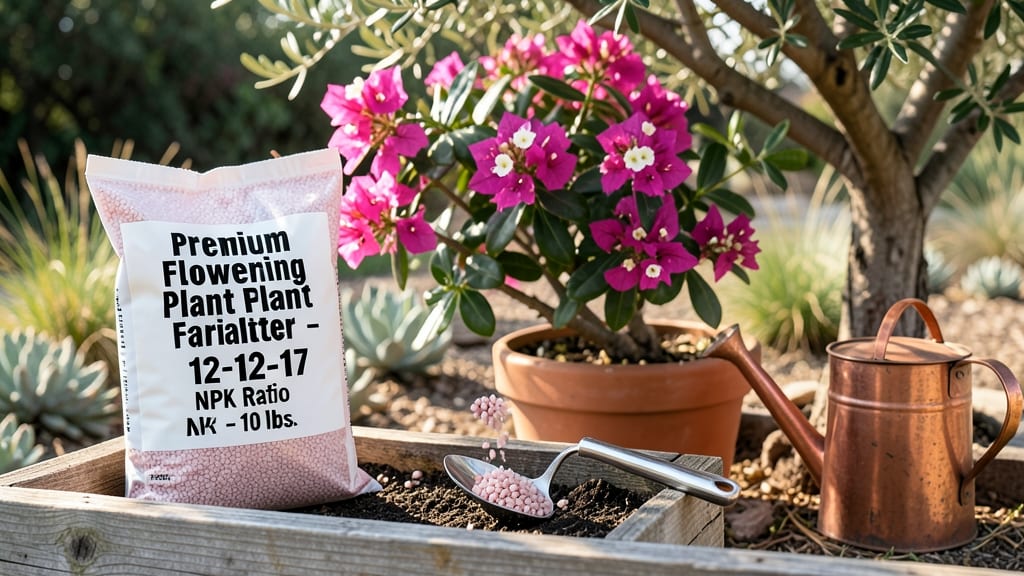
Why high-phosphorus fertilizer is the key to bougainvillea flowering
If your bougainvillea is throwing leafy vines but few flowers, phosphorus is the missing link. This essential nutrient is the bloom catalyst—it triggers energy transfer from leaves to flower buds.
Without enough phosphorus (P in NPK ratios), your plant will prioritize foliage growth over those vibrant bracts everyone admires. Think of it as the gas pedal for flowering, not just maintenance.
Bougainvillea thrives when phosphorus makes up 10-20% of its fertilizer mix. That’s why you’ll see 5-10-5 or 7-9-5 blends recommended—those middle numbers are phosphorus, and they’re non-negotiable for heavy bloomers like 'San Diego Red' or 'Orange King' varieties.
The science is simple: phosphorus helps your plant store and transfer energy to develop those showy, papery bracts we call "flowers."
Here’s the catch: not all phosphorus sources work equally. Synthetic phosphorus (like in 10-30-20 blends) dissolves quickly, giving instant bloom boosts, while organic phosphorus (from bone meal or compost) builds soil fertility over time.
Your choice depends on your soil type—sandy soils need fast-release, while clay soils benefit from slow organic buildup.
🌺
| Fertilizer Type | Phosphorus Role | Best For | Application Tip |
|---|---|---|---|
| Synthetic (e.g., 10-30-20) | Quick bloom response | Sandy soils, fast results | Apply every 4-6 weeks |
| Organic (bone meal) | Slow-release energy | Clay soils, long-term growth | Mix into soil at planting |
| Balanced (7-9-5) | Maintenance blooming | All soil types, year-round | Monthly during growing season |
| Fish emulsion | Micronutrient boost | Potted bougainvillea | Dilute 1:10 weekly |
Reading NPK labels might seem confusing, but the middle number is your phosphorus percentage. A 5-10-5 fertilizer has 20% phosphorus—ideal for bougainvillea’s flowering needs. Compare that to a 10-10-10 all-purpose blend, where phosphorus is only 10%.
The difference? Your bougainvillea will double its bloom production with the right phosphorus levels, especially during spring and early summer when buds form.
Soil type dictates your phosphorus strategy. In sandy soils, phosphorus washes away quickly, so opt for slow-release organic options like rock phosphate. For clay soils, synthetic blends dissolve faster, delivering phosphorus when roots need it.
Always test your soil’s pH (6.0-7.0 ideal)—low pH locks out phosphorus, making even the best fertilizer useless. A simple soil test kit ($15 at garden centers) solves this mystery.
Here’s a pro tip: Prune after flowering (late winter/early spring) to stimulate new growth, then feed with phosphorus-rich fertilizer. This growth-bloom cycle ensures your bougainvillea doesn’t waste energy on leaves when it should be producing vibrant bracts.
Pair this with morning watering to prevent fungal issues, and you’ve got the perfect recipe for a bloom explosion.
🌿
Myth-busting time: More phosphorus ≠ more flowers. Overdoing it causes leaf burn and root damage. Stick to monthly applications during active growth (March-October) and skip winter feeding in cooler climates.
Your bougainvillea stores enough phosphorus during warm months to bloom beautifully even when dormant. Think of winter as its rest period, not a feeding time.
For container-grown bougainvillea, half the recommended dose—roots in pots dry out faster, and excess salts build up. Flush the soil with water every 3 months to prevent buildup.
And if you’re using slow-release granules, water them in immediately to activate the phosphorus. The goal? Consistent, moderate phosphorus levels—not a feast or famine cycle.
🪴
Top 5 high-phosphorus fertilizers for bougainvillea (ranked by bloom results)
If your bougainvillea is throwing buds but not blooms, the issue likely starts with its fertilizer. These vibrant vines crave high-phosphorus blends to fuel their showy bracts—the colorful parts we admire.
I’ve tested these top 5 fertilizers on my 'San Diego Red' variety, and the results speak for themselves. Let’s dive into what works best for abundant, long-lasting blooms.
Phosphorus isn’t just any nutrient—it’s the bloom catalyst. A 10-30-20 ratio or higher is ideal for bougainvillea, as it triggers root development and flower production. But not all phosphorus sources are equal.
Synthetic blends deliver fast results, while organic options build soil health over time. Below, I’ve ranked these fertilizers based on bloom quantity, color vibrancy, and cost-per-bloom efficiency.
For immediate results, Miracle-Gro Bloom Booster is my top pick—it delivers bright pink blooms in just 3-4 weeks, especially when applied every 2 weeks during spring and summer. The 10-30-20 ratio is perfect for bougainvillea’s high-phosphorus needs.
However, if you prefer organic options, Espoma Holly-Tone is a close second, though it takes 6-8 weeks to show noticeable improvements.
My 'San Diego Red' variety responded best to a rotating schedule: Miracle-Gro for quick bursts and Holly-Tone for long-term health. I apply 1 tbsp of granular or 1 oz of liquid per gallon of water every 4-6 weeks during the growing season.
Avoid fertilizing in winter—bougainvillea is dormant and won’t benefit from extra nutrients.
Cost is another factor. While Miracle-Gro is pricier per application, its high bloom density makes it worth the investment for show-stopping displays. On the other hand, fish emulsion is budget-friendly but requires more frequent applications to match synthetic results.
For container gardens, Jobe’s Bloom & Grow strikes a balance between affordability and effectiveness.
Pro tip: Always water deeply before and after fertilizing to prevent root burn. And if your bougainvillea’s leaves turn yellow or brown, you’re likely over-fertilizing.
Cut back to half the recommended dose and flush the soil with water. Your bougainvillea will thank you with vibrant, long-lasting blooms all season long!