
Shrubs
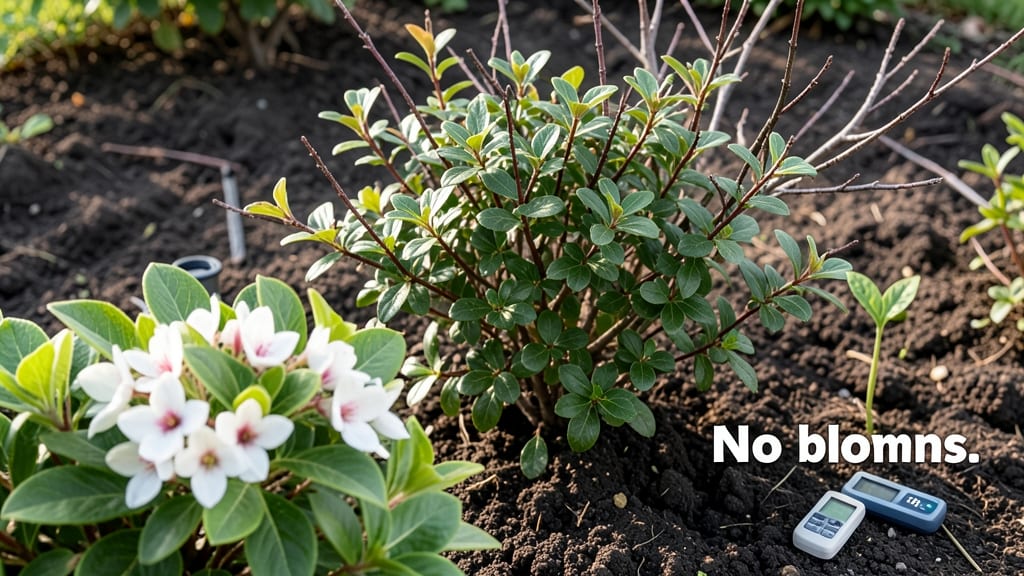
A blueberry bush not flowering can leave you staring at bare branches where sweet berries should be—here’s why it’s happening and how to bring back those delicate white blooms.
Picture this: spring rolls around, and your 🫐 blueberry bush is supposed to be a sea of blossoms, but instead, it’s just… branches. No flowers mean no berries, and that’s a heartbreaking wait for summer treats.
The good news? This isn’t a death sentence—it’s usually a fixable issue tied to age, pruning, or even something as simple as soil pH.
Most gardeners assume their blueberry bush just needs time, but the truth is, young bushes (under 3 years old) often skip flowering to focus on root growth, while older ones might be overdue for a pruning reset.
Then there’s the sneaky culprit: soil that’s too alkaline or lacking key nutrients. Even sunlight exposure plays a role—too much shade can trick the bush into thinking it’s winter.
In this guide, I’ll walk you through the top 3 reasons your blueberry bush isn’t flowering, step-by-step fixes (like pruning for better airflow or adjusting pH with peat moss), and how to set it up for a bloom-filled next spring.
No guesswork—just actionable tips to turn those bare branches into a berry bonanza.
3 Most common reasons your blueberry bush isn’t flowering (and how to fix them)
If your blueberry bush is sporting nothing but bare branches where delicate white blossoms should be, don’t toss in the trowel just yet. Most flowering failures boil down to three core issues: plant age, pruning mistakes, or environmental mismatches.
The good news? All three have straightforward fixes that can bring back those fragrant spring blooms—and eventually, juicy berries. Let’s dig into the most common culprits and how to correct them before your next growing season.
First, it’s crucial to understand that blueberry bushes are finicky about their conditions. They need acidic soil (pH 4.5–5.5), full sun exposure, and the right balance of nutrients to set flower buds. When even one of these factors is off, your bush might skip flowering entirely.
The three issues I see most often in home gardens are immature bushes, over-pruning, and poor soil conditions. Each requires a different approach to revive your plant’s flowering potential.
- 🌿 1. Your bush is too young – Blueberries need 2–3 years to mature before flowering. Solution: Be patient and provide optimal care.
- ✂️ 2. Over-pruning or wrong timing – Cutting back too aggressively or at the wrong time removes next year’s flower buds. Solution: Prune only in late winter/early spring and never remove more than 1/3 of the bush.
- 💧 3. Soil pH or nutrient imbalance – Blueberries thrive in acidic soil (pH 4.5–5.5). High pH or lack of nutrients stunts flowering. Solution: Test soil and amend with peat moss or sulfur if needed.
Let’s tackle the first issue: age-related flowering delays. Young blueberry bushes often focus their energy on root and stem growth rather than producing flowers. If your bush is under 2 years old, flowering might not happen yet—it’s a natural part of their growth cycle.
The key here is patience and proper care. Ensure your young bush gets 6+ hours of sunlight daily, well-draining acidic soil, and a balanced fertilizer (like 10-10-10) in early spring. This sets the stage for robust growth and eventual flowering.
If your bush is older but still not flowering, the problem might be pruning errors. Many gardeners accidentally prune away next year’s flower buds by cutting too late in the season or removing too much growth.
Blueberry flower buds form on one-year-old wood, so pruning in late winter or early spring (before buds swell) is critical. Avoid heavy pruning in fall or summer, as this can shock the plant and delay flowering.
Always use clean, sharp pruners and make cuts just above a bud or branch collar.
Another pruning pitfall is removing too many older canes. While it’s tempting to thin out a crowded bush, blueberries rely on a mix of old and new wood for flowering. Keep at least 5–6 of the strongest canes and prune out only dead, diseased, or crossing branches.
If you’ve over-pruned in the past, don’t panic—your bush can recover with the right care. Focus on light pruning in spring and adding organic mulch to protect roots and retain moisture.
Moving to environmental factors, soil pH is the most critical (and often overlooked) issue for blueberry flowering. These shrubs are acid-loving and won’t thrive in alkaline soil. If your soil pH is above 5.5, your bush may struggle to absorb nutrients, leading to poor flowering.
Test your soil with a home pH kit or send a sample to your local extension office. If the pH is too high, amend the soil with peat moss, pine needles, or sulfur. Aim for a target pH of 4.5–5.5 to encourage strong root and flower development.
Even with the right pH, nutrient deficiencies can halt flowering. Blueberries need a steady supply of nitrogen, phosphorus, and potassium, but too much nitrogen can actually reduce flowering by promoting leafy growth at the expense of blooms.
Use a balanced fertilizer (like 10-10-10 or 12-4-8) in early spring and after harvest. Avoid high-nitrogen fertilizers like lawn food, which can backfire. Pair fertilization with a 2–3 inch layer of mulch (like pine straw or wood chips) to retain moisture and slowly release nutrients.
Don’t overlook the role of sunlight and water in flowering. Blueberries need full sun (6+ hours daily) to set flower buds, and inconsistent watering can stress the plant. If your bush is in partial shade, consider relocating it to a sunnier spot.
For watering, aim for deep, consistent moisture—about 1–2 gallons per week for mature plants. Let the top inch of soil dry out between waterings to prevent root rot, but avoid drought stress, which can cause buds to drop.
Finally, if your bush has flowered before but suddenly stopped, check for pests or diseases. Spider mites, aphids, and fungal issues like mummy berry disease can weaken the plant and reduce flowering.
Inspect leaves for yellowing, spots, or webs, and treat infestations early with neem oil or insecticidal soap. Healthy foliage means better energy for flowering, so don’t skip regular checks during the growing season.
With these fixes in place, your blueberry bush should start producing those showy white blossoms next spring—and eventually, a bountiful harvest. The key is patience, proper pruning, and soil care.
Start with a soil test, adjust your pruning habits, and give your bush the sun and nutrients it craves. Before you know it, you’ll be picking fresh blueberries straight from your garden! 🫐
How to prune a blueberry bush correctly to encourage flowering
Pruning your blueberry bush is one of the most critical steps to encourage healthy flowering and abundant harvests.
Unlike many fruiting plants, blueberries produce flowers on wood from the previous year, so pruning at the wrong time or too aggressively can leave your bush with bare branches and no blooms. The key is timing, technique, and knowing whether your bush is young or mature.
For young blueberry bushes (under 3 years old), focus on shaping the plant and removing weak or crossing branches. These bushes need gentle pruning to establish a strong framework for future growth.
In contrast, mature bushes (3+ years old) require more strategic cuts to rejuvenate growth and promote flowering. Let’s break down the correct approach for each stage.
If your blueberry bush isn’t flowering, aggressive pruning in late winter or early spring may be the culprit.
Blueberries form flower buds on 1-year-old wood—cutting these branches removes next year’s blooms. Never remove more than 25% of the bush’s canopy in one year, and avoid pruning in fall or winter when buds are most vulnerable.
Signs of over-pruning: Leaves only at the tips of branches, no flower buds in late winter, or stunted growth. If this describes your bush, stop pruning now and focus on soil health and fertilization to encourage new growth.
Start pruning your blueberry bush in late winter or very early spring, just as new growth begins but before buds swell. This timing ensures you’re cutting dead or diseased wood while preserving next year’s flower buds.
Use clean, sharp pruners to make cuts at a 45-degree angle, about 1/4 inch above a bud or branch junction.
For young bushes, prioritize removing suckers (shoots growing from the base) and weak, spindly branches. These cuts encourage a stronger central structure and redirect energy to flower production. In mature bushes, focus on thinning out crowded branches and deadheading spent flowers after harvest to prevent energy drain.
One of the biggest mistakes gardeners make is pruning blueberry bushes in the fall. Fall pruning exposes fresh cuts to winter cold and disease, while also removing potential flower buds.
If you must prune in fall, limit cuts to removing dead or diseased wood only—never shape or thin the bush. Always wait until late winter for full pruning.
After pruning, apply a 2-3 inch layer of mulch around the base of your bush to retain moisture and regulate soil temperature. Use organic mulch like pine straw or wood chips, which also acidify the soil over time—a critical factor for blueberry health.
Water deeply after pruning to help the bush recover and encourage new growth for next season’s flowers.
With the right pruning approach, your blueberry bush will reward you with vibrant white blossoms and a bountiful harvest. Remember: patience and precision are key—avoid the urge to over-prune, and your bush will thrive for years to come. 🌿✂️