
Flowers
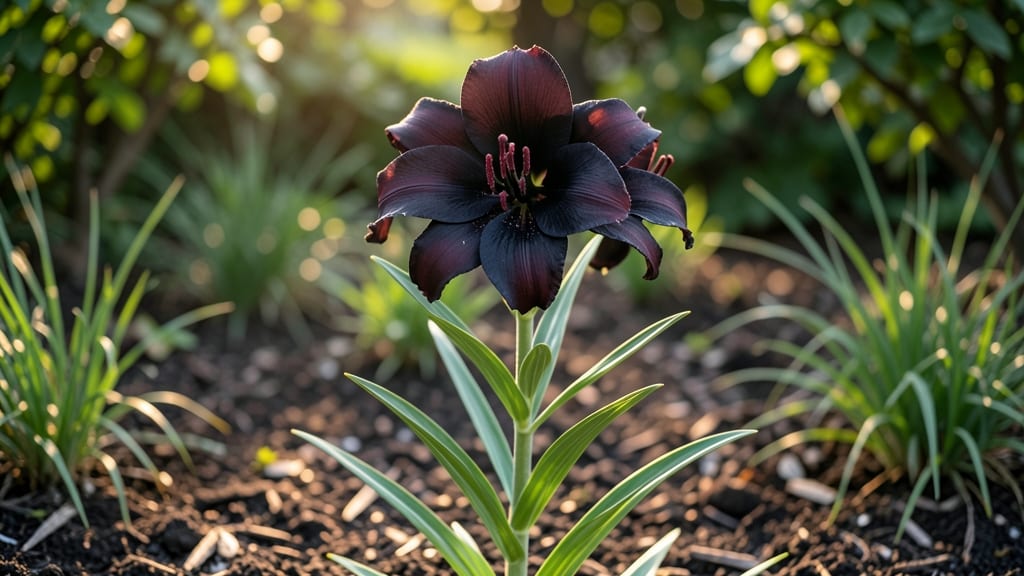
Growing black lilies 🌹 to flower is easier than you think — these dramatic blooms thrive with the right timing and care, turning your garden into a summer showstopper.
Imagine a garden so striking it feels like a midnight fantasy—black lilies bring that dark elegance to summer blooms, but growing them from bulbs requires precision. These dramatic flowers aren’t just for show; they’re a statement piece that thrives with the right care.
If you’re in USDA Zone 6a, plant your bulbs in March or April, after the last frost, for blooms that arrive in June or July. The key? Well-draining soil, full sun, and patience—these beauties take about 120 days to reach their full, velvety glory.
Below, I’ll walk you through every step—from planting depth to watering secrets—so you can grow black lilies that steal the show. Ready to transform your garden into a moody masterpiece?
How to plant black lily bulbs for stunning summer blooms
Black lilies (often called black lilies flower) are the ultimate showstoppers in any summer garden, with their deep, velvety petals that seem to drink in the sunlight. Unlike traditional lilies, these dramatic blooms thrive when planted correctly, and the secret lies in understanding their specific growing conditions.
Whether you're a first-time gardener or a seasoned pro, getting the timing and placement right will ensure your bulbs grow into healthy, vibrant plants that reward you with months of striking color.
The key to success starts with planting in early spring, right after your last frost date (typically March or April in most USDA zones). Black lilies prefer well-draining soil and full sunlight, but they can be finicky about moisture and spacing.
If you plant them too shallow or too close together, you’ll end up with weak stems and fewer blooms. Let’s break down the exact steps to get your black lilies off to the best possible start, so you can enjoy their midnight elegance all summer long.
Select a spot with 6+ hours of full sun and well-draining soil. Black lilies hate soggy roots, so avoid low-lying areas where water pools.
Mix compost or aged manure into the soil to improve drainage and fertility. Aim for a pH of 6.0-7.0—black lilies thrive in slightly acidic to neutral soil.
Dig holes 6-8 inches deep and space bulbs 6 inches apart. Plant with the pointy end up—this ensures proper growth direction.
Give the soil a deep watering to settle the bulbs and encourage root growth. Keep the soil moist but not waterlogged for the first few weeks.
Apply a 2-inch layer of mulch around the base to retain moisture and suppress weeds. Use organic mulch like straw or shredded leaves.
Watch for aphids or fungal spots. Remove affected leaves immediately and treat with neem oil if needed.
One of the most common mistakes I see with black lilies is planting them too early in cold soil. If you plant before the last frost, the bulbs can rot before they even sprout.
Always wait until the soil temperature reaches at least 60°F—this usually aligns with your region’s last frost date. Another pitfall is overcrowding the bulbs, which leads to weak stems and fewer blooms. Stick to the 6-inch spacing rule for optimal airflow and growth.
Black lilies also appreciate a light feeding in early spring once shoots emerge. Use a balanced fertilizer (5-10-10) to encourage strong foliage and robust blooms. Avoid heavy fertilizers later in the season, as this can reduce flower quality.
Instead, focus on consistent watering and mulching to keep the soil moist and cool during the heat of summer.
If your black lilies aren’t blooming as expected, check for these common issues: insufficient sunlight, overwatering, or nutrient deficiencies. Move plants to a sunnier spot if needed, and adjust your watering schedule to ensure the soil dries slightly between waterings.
With the right care, your black lilies will reward you with bold, velvety blooms that steal the show in any garden.
For container gardening, choose pots that are at least 12 inches deep and wide to accommodate the bulbs’ root system. Use a well-draining potting mix and place the container in a spot that gets full sun for at least 6 hours daily.
Containers dry out faster than garden beds, so monitor moisture levels closely and water more frequently during hot weather.
Once your black lilies finish blooming, leave the foliage intact until it yellows naturally. This allows the plant to replenish nutrients in the bulb for next year’s blooms.
You can cut back the stems after the leaves turn brown, but avoid removing the foliage too early—this weakens the bulb and reduces future flower production.
With these steps, your black lilies will thrive and become the centerpiece of your summer garden. Their dark, mysterious beauty is unmatched, and the effort you put into planting them correctly will pay off in stunning, long-lasting blooms that turn heads all season long. 🌹
Black lily care: watering, fertilizing, and pest control secrets
Black lilies (Lilium spp.) demand precise care to maintain their striking dark blooms and robust stems. Unlike their lighter cousins, these sun-loving plants need consistent moisture and nutrient balance to thrive. I’ve learned that seasonal adjustments are key—what works in summer differs drastically from winter needs.
Let’s dive into the watering schedule, fertilizer secrets, and organic pest control that’ll keep your black lilies flourishing.
First, watering frequency changes with the seasons. During spring and summer, when growth is rapid, aim for 1-1.5 inches of water weekly. In fall and winter, reduce this to every 2-3 weeks unless your region experiences drought.
The goal is consistent moisture without waterlogging—the bulbs rot easily in soggy soil. I always check the top 2 inches of soil before watering; if it’s dry, it’s time.
⚠️ WARNING: Overwatering is the #1 killer of black lilies!
For fertilizing, I recommend a balanced 5-10-10 NPK fertilizer applied twice during the growing season. The first feeding should happen in early spring as shoots emerge, using 1 tablespoon per plant. Skip fertilizing in summer—this gives the plant time to set buds for next year.
In fall and winter, let the bulbs rest; no fertilizer is needed. Organic options like fish emulsion or compost tea work beautifully and add beneficial microbes to the soil.
Pests like lily beetles and aphids can wreak havoc on your black lilies. I’ve had success with neem oil spray (mix 1 tbsp neem oil with 1 quart water and 1 tsp mild soap) applied every 7-10 days during outbreaks.
For beetles, handpick them early in the morning when they’re sluggish. Introducing beneficial nematodes to the soil also helps control grubs. Always inspect the undersides of leaves and new buds for early signs of infestation.
Mulching plays a crucial role in pest control and soil moisture retention. Use 2-3 inches of organic mulch like shredded bark or straw around your plants. This deters pests, suppresses weeds, and regulates soil temperature.
Just keep the mulch 2 inches away from the bulb to prevent rot. In container gardening, mulch helps retain moisture longer, which is especially important for potted black lilies that dry out faster.
Finally, seasonal pruning extends bloom time. After flowers fade, cut stems back to 6 inches above the bulb to redirect energy to next year’s growth. In late fall, remove all dead foliage but leave the bulb in the ground—it needs winter dormancy to strengthen.
With these care secrets, your black lilies will reward you with bold, healthy blooms year after year. 🌹