
Shrubs
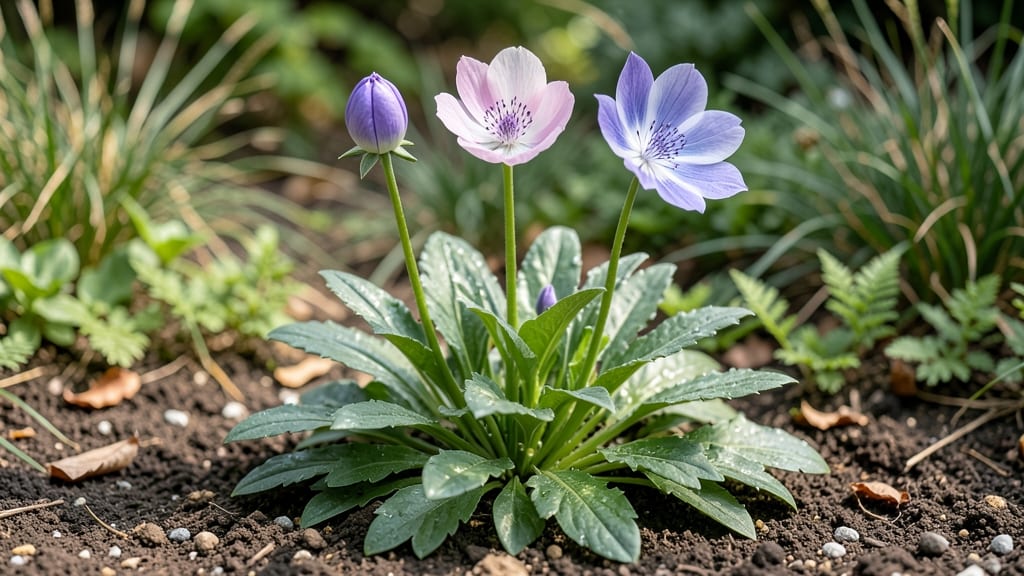
Growing a thriving balloon flower 🌸 in sun or shade depends on one key factor: how you balance light for blooms and foliage.
Picture this: your balloon flower sits in a spot with too much afternoon sun, and the leaves crisp by midsummer. Or it languishes in deep shade, sending up skinny stems with barely a flower to show for it.
The right light makes all the difference between a showstopper and a letdown.
Most gardeners assume these flowers need full sun, but the truth is more nuanced. In Zone 6a, morning sun paired with afternoon shade often produces bigger, brighter blooms than blazing midday exposure. And certain varieties, like 'Hortensia,' actually prefer dappled light over harsh direct rays.
Below, I’ll break down exactly how much sun or shade your balloon flower needs, which cultivars handle low light best, and how to spot when you’ve got the lighting wrong. By the end, you’ll know whether to move that plant closer to the fence—or shade it with a lattice.
 Best Window Placement
Ideal sunlight conditions for balloon flower blooms
Balloon flowers (Platycodon grandiflorus) are famously adaptable, but their sunlight needs directly impact bloom size and color intensity. While they tolerate partial shade, most varieties produce their brightest blooms with 4-6 hours of morning sun.
Understanding these nuances helps you position your plants for maximum impact—whether you're in a hot, dry climate or a cool, moist region.
The key lies in balancing light intensity and heat exposure. Balloon flowers can scorch in afternoon sun during summer, especially in USDA Zones 7-9. In contrast, northern climates (Zones 3-6) often benefit from full sun exposure year-round.
Let’s break down the best conditions for your region and how to adjust for seasonal changes.
🌸 Comparison Table: Sun vs. Shade for Balloon Flowers
| Light Condition | Bloom Performance | Best For | Regional Adjustments |
|---|---|---|---|
| Full Sun (6+ hours) | Vibrant, large blooms; deepest colors | Cool climates (Zones 3-6) | Avoid afternoon sun in Zones 7-9 |
| Partial Sun (4-6 hours) | Moderate blooms; softer colors | Transitional zones (Zones 6-7) | Ideal for morning sun + afternoon shade |
| Partial Shade (3-4 hours) | Smaller blooms; paler hues | Hot/dry climates (Zones 8-9) | Use dappled light under trees |
| Deep Shade (<3 hours) | Minimal blooms; foliage-focused | Shady gardens (Zones 4-5) | Choose shade-tolerant varieties |
For hot climates (Zones 7-9), I recommend positioning balloon flowers where they receive morning sun and afternoon shade. This mimics their natural habitat in woodland edges and prevents heat stress.
In cooler regions (Zones 3-6), full sun is ideal, as the plants can handle longer daylight hours without wilting.
Light intensity also affects bloom color. In full sun, expect vibrant purples and blues, while partial shade often yields softer lavenders or whites.
If you’re growing white varieties, like 'White Dawn,' they’ll appear brighter in shade but may produce fewer blooms. Experiment with placement to achieve your desired aesthetic!
Seasonal adjustments are crucial. In summer, provide afternoon shade with shade cloth (30-50%) if temperatures exceed 85°F (29°C). In winter, full sun exposure helps prevent leggy growth. Mulch with 2-3 inches of organic matter to regulate soil temperature and moisture, especially in dry climates.
Pro tip: If your balloon flowers are stretching toward light (a sign of etiolation), they’re not getting enough bright, indirect light. Move them to a sunnier spot gradually—sudden exposure can cause sunburn. Conversely, if leaves turn yellow or drop, they may be overheated in direct sun.
For container gardening, choose pots with lightweight, well-draining soil and place them where they’ll get 4-6 hours of filtered light. East-facing windowsills or patio areas with afternoon shade work beautifully.
In ground beds, pair balloon flowers with tall grasses or shrubs to provide natural shade during peak heat hours.
Remember, bloom size correlates directly with light exposure. Plants in full sun can produce blooms up to 3 inches wide, while those in deep shade may only reach 1-2 inches. If you’re growing for cut flowers, prioritize morning sun to maximize stem strength and vase life.
🌿 Whether you're in a sun-drenched desert garden or a shady woodland retreat, balloon flowers offer flexibility. Start with 4-6 hours of morning light, monitor their response, and adjust as needed. With the right balance, you’ll enjoy bold blooms from spring to fall—no guesswork required!
Shade-tolerant balloon flower varieties and care tips
If your garden has shady spots where other flowers struggle, **balloon flowers (Platycodon grandiflorus) can still shine—especially with the right shade-tolerant varieties. These hardy perennials adapt beautifully to partial shade, producing stunning blooms in blue, purple, and white hues.
The key lies in selecting cultivars bred for low-light conditions and adjusting care routines accordingly.
Not all balloon flowers perform equally in shade. Some varieties, like 'Hortensia' and 'Blue Ensign', thrive where sunlight is scarce, while others may produce fewer blooms. Understanding these differences helps you maximize blooms even in dappled or deep shade.
Let’s explore the best options and care strategies for growing these low-light superstars in your garden.
Top Shade-Tolerant Balloon Flower Varieties
- 'Hortensia' – Deep purple blooms; thrives in partial shade with morning sun. Ideal for woodland gardens.
- 'Blue Ensign' – Vibrant blue flowers; tolerates deep shade better than most. Perfect for north-facing beds.
- 'White Dawn' – Pure white blooms; adapts to filtered light and dappled shade. Great for container gardening.
- 'Fuji Blue' – Sky-blue flowers; handles afternoon shade well. Thrives in humid climates.
- 'Marine' – Rich blue-purple blooms; grows well in shady borders with moist, well-draining soil.
For shade-loving balloon flowers, amend your soil with organic matter like compost or well-rotted manure to improve drainage and nutrient retention. These plants prefer slightly acidic to neutral soil (pH 6.0–7.0).
In deep shade, mix in peat moss or coconut coir to mimic their natural woodland habitat. This simple adjustment can double your bloom production compared to poor, compacted soil.
Seasonal adjustments are crucial for shade-grown balloon flowers. In winter, these plants may receive minimal sunlight, so reduce watering to prevent root rot in soggy soil. Conversely, spring and fall benefit from regular watering to support new growth.
Mulch with 2–3 inches of organic mulch (like shredded leaves or straw) to retain moisture and regulate soil temperature—especially important in partial shade where evaporation is slower.
Pruning plays a smaller role in shade-grown balloon flowers, but deadheading spent blooms encourages reblooming in varieties like 'Hortensia'. After flowering, trim back leggy stems to 1–2 inches above the soil to promote compact, bushier growth.
Avoid heavy pruning in deep shade, as these plants rely on existing foliage for energy production. Instead, focus on removing only dead or diseased leaves to keep the plant healthy.
Pair your shade-tolerant balloon flowers with companion plants that thrive in similar conditions. Try hostas, ferns, or astilbes for a lush, layered look. These combinations create textural contrast while ensuring your balloon flowers receive indirect light without competition.
With the right variety, soil, and seasonal care, your shady garden corners can burst with colorful, long-lasting blooms—proving that shade isn’t a limitation, just a different opportunity**. 🌿