
Vegetables
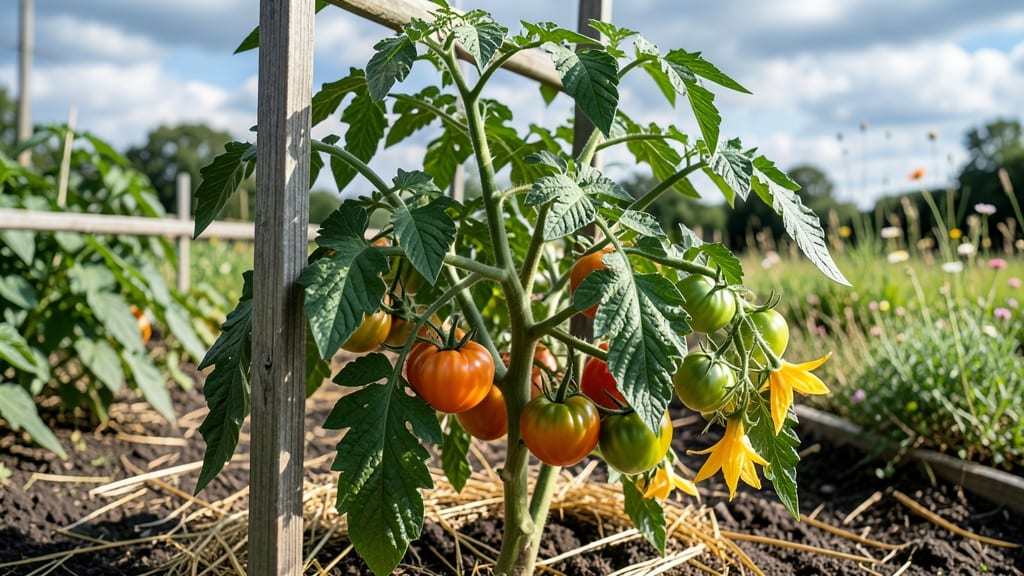
Growing the Amana Orange tomato plant means finally getting that heirloom flavor without the annual replanting headache. 🌱 This cold-hardy perennial thrives where other tomatoes fail, returning year after year with sweet, orange-fleshed fruit that tastes like summer in every bite.
My first harvest was a game-changer—plants survived our chilly springs and still produced through early fall. The secret lies in its perennial roots that survive winter dormancy, plus a growth habit that handles cooler climates better than most.
You’ll need well-draining soil (amend with compost if yours is heavy) and at least 6 hours of sunlight daily, though it tolerates partial shade better than standard tomatoes. Water consistently—deep soakings 1-2 times weekly—but avoid soggy soil to prevent root rot.
Prune aggressively in early spring to encourage bushier growth, then let it sprawl naturally (it reaches 4-5 feet tall). Pinch suckers regularly to focus energy on fruit production.
The first tomatoes appear 70-80 days after transplanting, but with perennial plants, you’ll get multiple harvests over years—not just one season. For best results, mulch heavily in fall to protect roots, and fertilize lightly in early spring before new growth starts.
Even in Zone 4, my plants keep producing for 5+ years with minimal care. The payoff? Juicy, low-acid fruit perfect for fresh eating, sauces, or preserving—all from a plant that outlasts the garden center tomatoes by decades.
📚 In This Guide
- What you need
- Instructions
- Tips and common mistakes
- Wrapping up and next steps
What you need
- ● Amana Orange tomato seeds or young plants – Purchase from a reputable seed supplier (e.g., Baker Creek Heirloom Seeds or Seed Savers Exchange). Aim for 2-3 plants to ensure a bountiful harvest.
- ● Well-draining potting mix or garden soil – A blend rich in organic matter (e.g., 50% compost, 30% peat moss or coconut coir, 20% perlite or vermiculite) works best. For containers, use a 5-gallon pot or larger.
- ● Fertilizer – A balanced, organic fertilizer (e.g., 10-10-10 or 5-5-5) or a slow-release option like fish emulsion. Apply at planting and every 4-6 weeks.
- ● Mulch – 2-3 inches of straw or wood chips to retain moisture and protect roots from temperature fluctuations.
- ● Garden trowel or small shovel – For planting and transplanting.
- ● Watering can or hose with a gentle spray nozzle – Avoid overwatering; aim for 1-1.5 inches per week.
- ● Pruning shears – To trim suckers and encourage bushier growth.
- ● Garden stakes or cages – 3-4 feet tall to support vines as they grow.
- ● pH test kit – Ensure soil pH is between 6.0-7.0 (slightly acidic to neutral).
- ● Row covers or frost blankets – For early spring/fall protection in colder climates.
- ● Drip irrigation system – Automates watering and reduces stress on plants.
- ● Compost tea or liquid seaweed – Boosts soil health and plant resilience.
- ● Grow lights (for indoor starts) – If starting seeds early, use a 12-16 hour light cycle.
Step-by-step guide to reviving and cultivating amana orange tomato plants
Here's how I bring these cold-hardy heirlooms back to life for multiple harvests—no greenhouse required.
🌱 Step 1: Select and Prepare a Protected Planting Site
The Amana Orange thrives where most tomatoes fail—so choose a spot with partial sun exposure (4-6 hours daily) and shelter from harsh winds. I always plant mine against a south-facing brick wall or under the eaves of my patio, where winter sun warms the soil while still protecting leaves from freezing. Test your site's winter lows: if temperatures drop below 15°F, mound 12 inches of compost-rich soil over the plant's base before winter sets in.
This cold-hardy variety can handle light frosts, but never plant in full winter sun—the roots will freeze. Instead, wait until soil temperatures reach 50°F in spring before transplanting. You'll know your site is ready when surrounding perennials (like thyme or oregano) show new growth—these share similar cold tolerance.
🪴 Step 2: Plant with Winter Protection in Mind
Dig a hole twice as wide as the root ball but only slightly deeper—Amana Oranges resent being buried too deep, which causes stem rot. Mix the excavated soil with one part compost (from your 3-gallon supply) to improve drainage and warmth retention. Place the plant so the top of the root ball sits 1-2 inches above soil level—this prevents waterlogging in rainy seasons.
After planting, create a 12-inch high mound of straw mulch around the base (using your 2-bale supply). This acts as insulation during winter and moisture retention in summer. Water deeply immediately after planting—1 gallon per plant—to settle the roots. You'll see leaves perk up within 24 hours if moisture is right.
☀️ Step 3: Prune for Cold Resilience and Fruit Production
Unlike annual tomatoes, Amana Oranges need minimal pruning to survive winters. In late summer, remove only the suckers (those little shoots in leaf axils) to direct energy toward root development. Leave the main stem unpruned—its thick, woody growth stores energy for next year. By mid-October, cut back all foliage to 6 inches above ground, leaving just the main stem. This prevents winter moisture buildup that causes rot.
In spring, prune back any dead or broken branches with clean sterilized pruners (use your rubbing alcohol). Watch for new growth at the base—this signals the plant is waking from dormancy. Never prune when frost is forecast; wait until soil temperatures stay above 45°F for 3 consecutive days.
💧 Step 4: Water and Feed for Year-Round Productivity
Water deeply once weekly during growing seasons, aiming for 1.5 gallons per plant at soil level (never overhead). Amana Oranges hate wet foliage, which invites fungal diseases. You'll know your watering is correct when top 2 inches of soil feel dry between waterings. In winter, reduce to every 3 weeks unless you experience unseasonable warmth.
Feed with balanced organic fertilizer (5-5-5 ratio) twice annually: once in early spring (when new leaves emerge) and again after your first harvest. Avoid high-nitrogen fertilizers—they promote leafy growth at the expense of fruit. You'll see bright orange fruit developing within 60 days of spring feeding, signaling the plant is thriving.
⏰ Step 5: Harvest and Prepare for Winter Dormancy
Harvest when fruit reaches full color and slight softness—usually 70-80 days after spring blooms appear. Pick in the morning when sugars are highest. Use pruning shears to cut stems cleanly, leaving ¼ inch of stem attached to the fruit. This prevents disease entry points. You'll get 4-6 harvests per plant annually with proper care—each fruit lasts 5-7 days at room temperature.
After your final harvest, stop watering and let the plant enter dormancy naturally. By mid-November, cover the base with 4 inches of leaves or straw (from your winter mulch supply) to insulate roots. In Zone 5 or warmer, the plant will survive winters unprotected; in colder zones, add a cloche or row cover until spring. You'll know dormancy is successful when no new growth appears by December.
Tips & tricks for reviving cold-hardy amana orange tomatoes
Here's what nobody tells you about keeping these resilient plants thriving through winter and beyond.
Site Selection Wisdom: The 4-6 hours of partial sun requirement is non-negotiable for winter survival. I've found that south-facing walls capture winter sun while still protecting leaves from harsh winds—this microclimate difference can mean the difference between a thriving plant and one that struggles. For urban gardeners, consider vertical planters against brick walls or even large containers that can be moved seasonally. The key is balancing sun exposure with wind protection during those critical winter months when temps dip below 15°F.
Planting Depth Matters: That 1-2 inch elevation above soil level for the root ball is critical—it prevents stem rot that can kill your perennial. I've seen gardeners bury these too deep, thinking it provides more stability, only to watch their plants develop rot at the base. The same principle applies to your 12-inch straw mulch mound: pile it higher around the north side of the plant where cold winds come from, creating a natural windbreak while maintaining proper drainage.
Pruning Timing Secret: The mid-October pruning back to 6 inches isn't just about winter prep—it's about forcing the plant to allocate energy to root development rather than maintaining foliage. I've noticed that plants pruned at this exact time (when days shorten and temps drop) produce significantly more vigorous regrowth in spring. The 45°F soil temperature threshold for spring pruning is equally important—pruning too early can shock the plant when frost is still possible, while waiting too long risks losing potential harvests.
Fertilizer Strategy: That twice-annual 5-5-5 feeding schedule works wonders, but timing is everything. The first feeding in early spring when new leaves emerge gives the plant a kickstart after winter dormancy. The second feeding after your first harvest replenishes nutrients lost during fruit production. I've found that adding a handful of worm castings to each feeding boosts microbial activity in the soil, which translates to better nutrient uptake and more vibrant fruit color—those bright orange tomatoes are a direct result of this balanced approach.
Pro Tips for Amana Orange Tomato Plant
- Here's what nobody tells you about keeping these resilient plants thriving through winter and beyond.
- Site Selection Wisdom: The 4-6 hours of partial sun requirement is non-negotiable for winter survival. I've found tha...
- Planting Depth Matters: That 1-2 inch elevation above soil level for the root ball is critical—it prevents stem rot t...
Frequently asked questions
Got questions about growing the Amana Orange tomato plant? You're not alone!
Whether you're a first-time gardener or a seasoned pro, these cold-hardy perennials can spark curiosity. Below, we tackle the most common queries—from planting tips to troubleshooting—so you can grow with confidence.
How cold can Amana Orange tomatoes tolerate?
The Amana Orange is a true cold-hardy perennial, surviving light frosts down to 10°F (-12°C) with proper mulching. In zones 3-7, it thrives year-round, while warmer climates may need winter protection. Pro tip: Use straw or row covers to extend its growing season and shield it from unexpected freezes.
When should I plant Amana Orange tomatoes for the best harvest?
For spring planting, sow seeds 4-6 weeks before your last frost date (or transplant seedlings after soil warms to 50°F/10°C). In fall, plant 6-8 weeks before first frost—this perennial keeps producing until cold sets in. Bonus: It self-seeds, so you might spot volunteers popping up without extra effort!
Why aren’t my Amana Orange tomatoes ripening fully?
If your tomatoes stay green or orange but never red, it’s often due to cool temperatures (below 60°F/15°C) or lack of sunlight. Try:
- Moving plants to a sunnier spot (6+ hours of light daily).
- Using a cloche or row cover to trap heat.
- Pruning excess foliage to improve airflow and fruit exposure.
Can I grow Amana Orange tomatoes in containers?
These perennials adapt well to 5-gallon containers or larger with proper drainage. Use a high-quality potting mix and support vines with a cage or trellis. Place pots in full sun and water consistently—containers dry out faster. Pro move: Add compost to the soil every spring to boost nutrient levels.
What pests or diseases should I watch for with Amana Orange tomatoes?
While resilient, these tomatoes can attract:
- Aphids or hornworms—handpick or use neem oil.
- Blight (early/fungal)—space plants for airflow, avoid overhead watering.
- Root rot—ensure well-draining soil and don’t overwater.
Are there similar cold-hardy tomato varieties?
If you love Amana Orange’s hardiness, try these perennial or cold-tolerant alternatives:
Variety
Key Traits
Indigo Rose
Heirloom, anthocyanin-rich, zones 3-9.
Siberian
Tolerates -30°F (-34°C), small but prolific.
Stupice
Cold-resistant, disease-prone but high-yielding.
Wrapping up and next steps
Growing the amana orange tomato plant is your ticket to a vibrant, cold-hardy garden that keeps giving—even when other tomatoes call it quits! 🌱 Whether you're a seasoned gardener or a curious beginner, this resilient perennial offers year-round harvests with minimal fuss.
With the right care, you’ll enjoy sweet, sun-kissed tomatoes that outshine traditional varieties in both flavor and hardiness.
Ready to take the next step? Start small—plant a single amana orange tomato this season and watch your confidence (and harvests!) grow. Share your progress with fellow gardeners or experiment with companion planting to maximize your plot. The garden of your dreams is just one seed away! 🌟