
Diseases
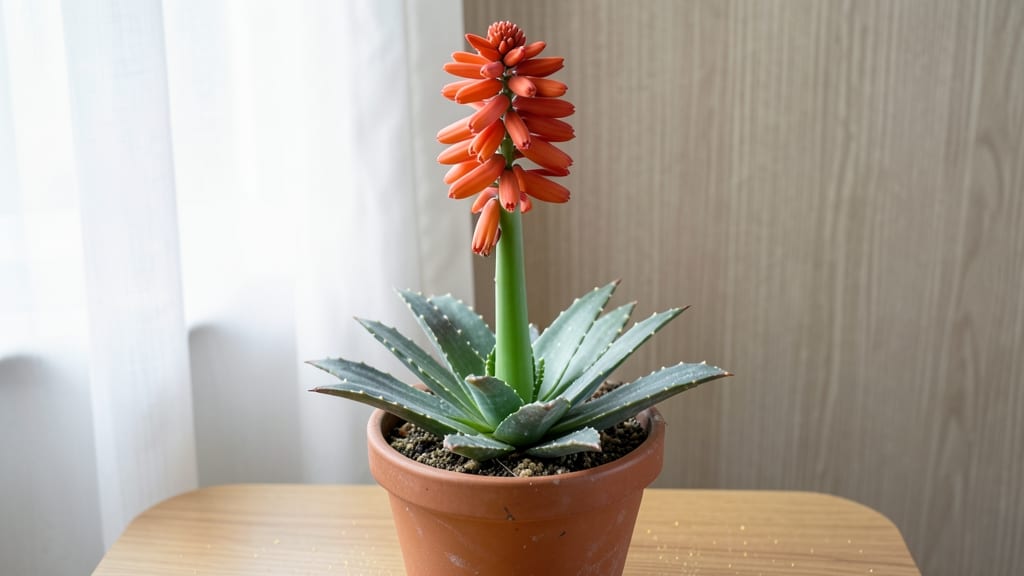
Your aloe vera’s yellow flower might look harmless, but it’s actually a sign your plant is struggling—whether from overwatering, stress, or even disease.
Picture this: your 🌱 aloe vera suddenly sports a bright yellow bloom instead of its usual vibrant hue. That’s not just a cosmetic issue—it could mean your plant is begging for help. The good news? Most yellowing flowers are fixable with a few targeted adjustments.
From adjusting watering schedules to checking for hidden pests, we’ll cover the most common causes and fast fixes to restore your aloe vera’s health. No more guessing—just actionable steps to bring back that lush, green glow.
Skip the generic advice and dive into aloe vera-specific care, including when to prune and how to spot irreversible damage. Your plant’s revival starts here.
Why your aloe vera flower turned yellow (root causes explained)
Aloe vera flowers are normally vibrant orange, yellow, or red—but when they turn yellow, it’s your plant’s way of sending an SOS. Unlike the leaves which might yellow from overwatering, yellow flowers often signal deeper issues like nutrient deficiencies, environmental stress, or even pest infestations.
Understanding these causes is the first step to reviving your plant’s health.
Yellowing aloe vera flowers aren’t always a sign of distress—they can also be a natural part of the plant’s aging process. However, if the yellowing spreads to the stems or leaves, it’s time to investigate.
The key is observing whether the yellowing is localized (just the flower) or systemic (affecting the whole plant). This distinction helps narrow down the root cause.
Here’s what you need to know about the most common reasons behind yellow aloe vera flowers, including how to spot the difference between a harmless change and a serious problem. Let’s break it down step by step.
🌱 Top 5 Reasons Your Aloe Vera Flower Turned Yellow
- Overwatering or Underwatering: Too much or too little water disrupts nutrient uptake, causing flowers to yellow prematurely. Aloe vera roots need well-draining soil and drought tolerance.
- Nutrient Deficiencies: Lack of phosphorus or potassium (key for flowering) leads to weak, yellowing blooms. A balanced 2-7-2 NPK fertilizer can help.
- Pest Infestations: Mealybugs or scale insects suck sap from flowers, causing discoloration. Check the undersides of petals for sticky residue.
- Environmental Stress: Low light or temperature fluctuations (below 50°F or above 90°F) weaken the plant, making flowers more susceptible to yellowing.
- Natural Aging or Disease: Older flowers naturally yellow, but if paired with soft stems or mold, it could signal bacterial rot or fungal infections.
Let’s dive deeper into each of these causes. Overwatering is the most common mistake—aloe vera stores water in its leaves, so soggy soil suffocates the roots.
If your plant sits in a pot without drainage holes, excess moisture traps anaerobic bacteria, leading to root rot and yellowing flowers as a secondary symptom.
On the flip side, underwatering stresses the plant, causing it to prioritize leaf survival over flower health. Yellowing flowers in this case often appear dry and crispy at the edges. To test, stick your finger 2 inches into the soil—if it’s bone-dry, it’s time to water.
But remember: aloe vera prefers deep soaks every 2-3 weeks, not frequent shallow drinks.
Nutrient deficiencies are another culprit, especially if your aloe vera hasn’t been fertilized in months. Flowers require phosphorus (P) for energy and potassium (K) for stress resistance. If your soil lacks these, the plant redirects resources to leaves, leaving flowers yellow and stunted. A quick fix? Use a low-nitrogen fertilizer (like 2-7-2) every 6-8 weeks during growing season.
Pests like mealybugs or scale insects are sneaky troublemakers. They pierce flower tissue to feed on sap, causing yellowing, wilting, or even black sooty mold (a fungal hitchhiker). Inspect your plant’s flowers and stems closely—look for white cottony clusters or brown bumps.
If found, isolate the plant and treat with neem oil or insecticidal soap.
Environmental factors like insufficient light or temperature extremes can also trigger yellowing. Aloe vera thrives in full sun (6+ hours daily), but indoor plants often suffer from low light.
If your plant is near a north-facing window, move it to a south-facing spot or supplement with grow lights. Similarly, temperatures below 50°F or above 90°F stress the plant, making flowers more prone to yellowing.
Finally, don’t dismiss yellowing as just natural aging—especially if you notice soft, mushy stems or unpleasant odors. These could indicate bacterial soft rot or fungal infections, which spread quickly. Prune affected flowers immediately and repot the plant in sterile, well-draining soil to prevent further damage.
Now that you’ve identified the likely cause, the next step is action. Whether it’s adjusting your watering schedule, fertilizing, or treating pests, early intervention can save your aloe vera’s flowers—and even encourage new, vibrant blooms.
Stay tuned for our next section on step-by-step fixes to revive your plant’s health! 🌿
Step-by-step fixes to revive your aloe vera’s yellow flower
Aloe vera’s vibrant yellow flower is a rare treat, but when it starts wilting or turning yellow, it’s your plant’s SOS signal. The good news? Most cases are fixable with targeted care.
I’ll walk you through the most effective solutions, starting with the most urgent fixes to restore your aloe’s health quickly.
First, check your watering habits—this is the #1 culprit behind yellowing flowers. Aloe vera thrives on neglect when it comes to water. If your plant’s soil feels damp or you’ve been watering weekly, you’re likely drowning its roots.
Yellow flowers often signal overwatering stress, which disrupts nutrient uptake and causes cellular damage.
⚠️ callout warning ⚠️
Yellowing flowers + mushy leaves = root rot risk. Stop watering immediately and let the soil dry completely between waterings. If the pot feels heavy, your aloe is thirsting for dryness, not hydration!
✅ Fix: Water only when the top 2-3 inches of soil are bone-dry. Use a pot with drainage holes and a cactus/succulent mix.
Next, assess your repotting technique. Aloe vera flowers often yellow when the plant is root-bound or confined to stale soil. If it’s been in the same pot for over 2 years, it’s time to upgrade.
Choose a container just 1-2 inches larger than the current one—aloe vera dislikes excess space, which encourages overwatering.
Use a fast-draining mix of 60% cactus soil, 30% perlite, and 10% coarse sand. Avoid garden soil—it retains too much moisture. After repotting, place your aloe in bright, indirect light for 2 weeks to minimize stress.
This gives the roots time to adjust while you monitor for new growth.
Now, let’s talk fertilizer. Aloe vera is a light feeder, but yellow flowers can indicate a nutrient deficiency, particularly magnesium or potassium. Switch to an organic liquid fertilizer with a low nitrogen ratio (like 2-7-2) and apply it once every 6-8 weeks during spring and summer.
Dilute it to half-strength to avoid burning delicate roots.
Finally, inspect for pests. Mealybugs and scale insects love aloe vera’s sap and can cause yellowing by sucking nutrients from the plant.
Wipe down leaves with a soapy water solution (1 tsp mild dish soap per quart of water) or spray with neem oil (1 tsp neem oil + 1 quart water). Repeat weekly until pests disappear. For severe infestations, isolate the plant to prevent spreading.
With these fixes, your aloe vera should bounce back in 4-6 weeks. Keep an eye on its progress—healthy aloe flowers should return to their vibrant yellow or orange hues.
If the yellowing persists beyond this time, the flower may be naturally senescing, and it’s best to prune it to redirect the plant’s energy to new growth. 🌱