
Diseases
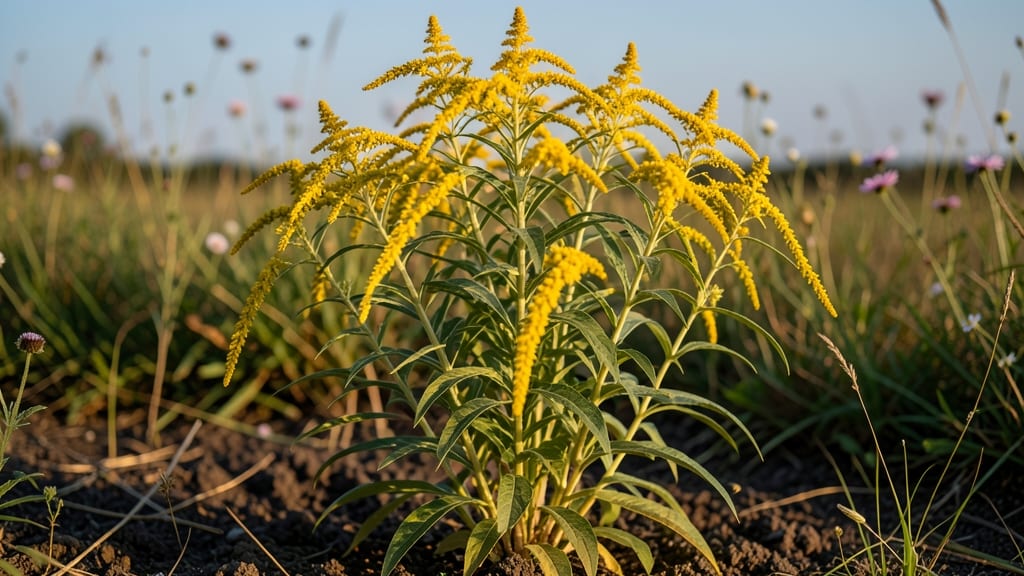
Yellow flower stalks turning pale or spotted can mean your plants are sending an SOS—often before the damage becomes irreversible.
Picture this: you’ve nurtured your Goldenrod 🌼 all season, only to wake up one morning and spot those telltale yellow patches creeping up the stems. What’s happening?
Is it too late to save them? The good news? Most of these issues have simple fixes, and catching them early makes all the difference.
From fungal infections like powdery mildew to nutrient deficiencies or even overwatering, the causes are more common than you’d think. I’ll walk you through the three most likely culprits behind yellowing stalks, how to diagnose them, and the quickest ways to turn things around—without chemicals if you prefer natural solutions.
By the end, you’ll know exactly what to check first, how to prune for recovery, and the preventative steps to keep your Goldenrod 🌼 (or any flower) thriving all season long. Let’s get your garden back to its vibrant best.
Common causes of yellowing or spotted leaves on flower stalks
When you notice yellowing or spotted leaves on your flower stalks, it’s your plant’s way of signaling distress. These visual cues often point to underlying issues like nutrient deficiencies, fungal infections, or environmental stressors.
The key to saving your blooms lies in correctly identifying the root cause—whether it’s overwatering, pest damage, or poor soil health. Each issue requires a targeted approach, so let’s break down the most common culprits and how to spot them early.
Yellowing leaves can appear as uniform discoloration or irregular spots, often starting at the base of the stalk. For example, powdery mildew causes white, powdery patches, while magnesium deficiency (yellowing between leaf veins) is a classic sign of poor soil health.
Recognizing these patterns helps you act faster, preventing the problem from spreading to your entire garden. Let’s explore the top 5 causes and their telltale symptoms.
| Cause | Visual Symptoms | Affected Plants | Quick Fix |
|---|---|---|---|
| Fungal Infections (Powdery Mildew) | White powdery spots, yellowing leaves, stunted growth | Roses, Snapdragons, Zinnias | Neem oil spray, improve airflow, remove infected leaves |
| Nutrient Deficiency (Magnesium) | Yellowing between leaf veins, crispy edges | Sunflowers, Dahlias, Petunias | Apply Epsom salt (1 tbsp/gal water), compost top dressing |
| Overwatering or Poor Drainage | Yellowing lower leaves, mushy stems, wilting | Peonies, Tulips, Hydrangeas | Adjust watering, amend soil with perlite, check drainage |
| Pest Damage (Aphids, Spider Mites) | Sticky residue, tiny webs, curled leaves | Lilies, Orchids, Geraniums | Soap spray, introduce ladybugs, prune infested areas |
| Bacterial Leaf Spot | Brown spots with yellow halos, leaf drop | Roses, Gladiolus, Begonias | Remove infected leaves, copper fungicide, sterilize tools |
One of the most common issues is powdery mildew, a fungal disease that thrives in humid conditions and poor airflow. You’ll spot it as a white, powdery coating on leaves, often paired with yellowing. This problem is especially common in dense plantings like snapdragons or roses.
The good news? It’s treatable with neem oil or a baking soda spray, but early action is critical to prevent it from spreading to healthy stalks.
Nutrient deficiencies often manifest as yellowing between leaf veins, a classic sign of magnesium deficiency. This happens when your soil lacks essential minerals, even if you’re watering regularly. For example, Epsom salt (magnesium sulfate) is a quick fix—just mix 1 tablespoon per gallon of water and apply as a foliar spray. If your flower stalks are also stunted, it might be time to test your soil’s pH and amend it with compost or organic matter.
Don’t overlook the role of watering habits. Overwatering or poor drainage can cause leaves to yellow and stems to weaken. If your flower stalks feel mushy or the soil smells sour, it’s a red flag for root rot.
Adjust your watering schedule to deep but infrequent sessions, and consider adding perlite or sand to improve soil aeration. This simple change can revive struggling plants in just a few weeks.
Pests like aphids or spider mites also wreak havoc on flower stalks, sucking sap and leaving behind sticky residue or tiny webs. These pests often target new growth, causing leaves to yellow or curl. A strong spray of soapy water (1 tsp mild soap per quart of water) can knock them off, while introducing beneficial insects like ladybugs provides long-term control. Regularly inspecting your plants helps catch infestations before they become unmanageable.
Lastly, bacterial leaf spot is a sneaky culprit that creates brown spots with yellow halos on leaves. This bacterial infection spreads quickly in wet conditions, often affecting roses or gladiolus.
To manage it, remove infected leaves immediately and sterilize your pruners with rubbing alcohol. Applying a copper fungicide can also help prevent further spread, especially during humid weather.
By familiarizing yourself with these common causes and their visual clues, you’ll be better equipped to diagnose and treat issues before they escalate. The next step? Tailoring solutions to your specific plant’s needs—whether it’s adjusting your watering routine, applying targeted fertilizers, or introducing natural pest controls.
Your garden’s health depends on your ability to act quickly and accurately!
Step-by-step fixes for reviving yellow flower stalks
Yellowing flower stalks often signal stress, but quick action can restore your plants' vibrancy. The first step is identifying the exact cause—whether it's fungal infections, nutrient deficiencies, or environmental factors. Don't panic: most issues respond well to targeted organic treatments and simple adjustments.
I'll guide you through proven solutions tailored to each scenario, using only eco-friendly methods that work for gardeners of all skill levels.
Start by examining the yellowing pattern on your flower stalks. Uniform yellowing often points to nutrient issues or overwatering, while spots or patches usually indicate fungal infections or pest damage.
For example, powdery mildew leaves white, powdery spots, while aphids cause curled, yellowed leaves. Once you've pinpointed the problem, follow these step-by-step fixes to revive your plants without harsh chemicals.
🌱 Step-by-Step Revitalization Guide
-
Step 1: Prune Affected Stalks
Use sterilized pruners to cut back yellowed or spotted stalks to healthy green growth, about 1 inch above a leaf node. This removes diseased tissue and encourages new growth. For sunflowers, prune at the base; for perennials, trim back 1/3 of the stalk. -
Step 2: Apply Organic Fungicide
Mix 1 tbsp baking soda + 1 quart water + 1 tsp horticultural oil in a spray bottle. Apply to both leaf surfaces in the morning for fungal issues like powdery mildew. For aphids, spray with neem oil solution (1 tbsp neem oil + 1 quart water) and repeat every 7 days until pests disappear. -
Step 3: Adjust Watering Practices
If stalks are yellow due to overwatering, let the top 1-2 inches of soil dry out before watering again. For underwatering, water deeply at the base of the plant in the morning to avoid fungal growth. Use a moisture meter to check soil conditions if unsure. -
Step 4: Fertilize with Balanced Nutrients
For nutrient deficiencies, apply a balanced organic fertilizer (5-10-10 NPK) at half-strength. Focus on magnesium (Epsom salt solution: 1 tbsp/gal water) for yellowing between leaf veins. Avoid fertilizing if stalks are already stressed from disease or pests. -
Step 5: Improve Soil Drainage
Amend heavy or compacted soil with compost or perlite to prevent root rot. For container plants, ensure pots have drainage holes and use a well-draining potting mix. Test soil pH (ideal: 6.0-7.0 for most flowers) and adjust with lime or sulfur if needed. -
Step 6: Boost Air Circulation
Thin out crowded plants and space them 12-18 inches apart to improve airflow. Use a small fan on low setting near affected plants for 20 minutes daily to deter fungal spores. This is especially critical for humid climates or shaded gardens.
After applying these fixes, monitor your plants closely for 2-4 weeks to track progress. For example, if you treated powdery mildew with baking soda, reapply every 7-10 days until new growth appears.
If stalks remain yellow, consider transplanting to a sunnier spot or testing for soil-borne diseases like verticillium wilt, which may require removing the plant entirely.
Prevention is key: once your flower stalks recover, maintain consistent care to avoid future issues. Mulch around the base to retain moisture, avoid overhead watering, and rotate crops annually to prevent disease buildup.
With these steps, your sunflowers, daffodils, or snapdragons will bounce back stronger than ever, ready to bloom beautifully next season.
Remember, even professional gardeners face yellowing stalks—it's all part of the process! The sooner you act, the better the outcome. Happy gardening, and may your flower beds stay vibrant and healthy! 🌻