
How To
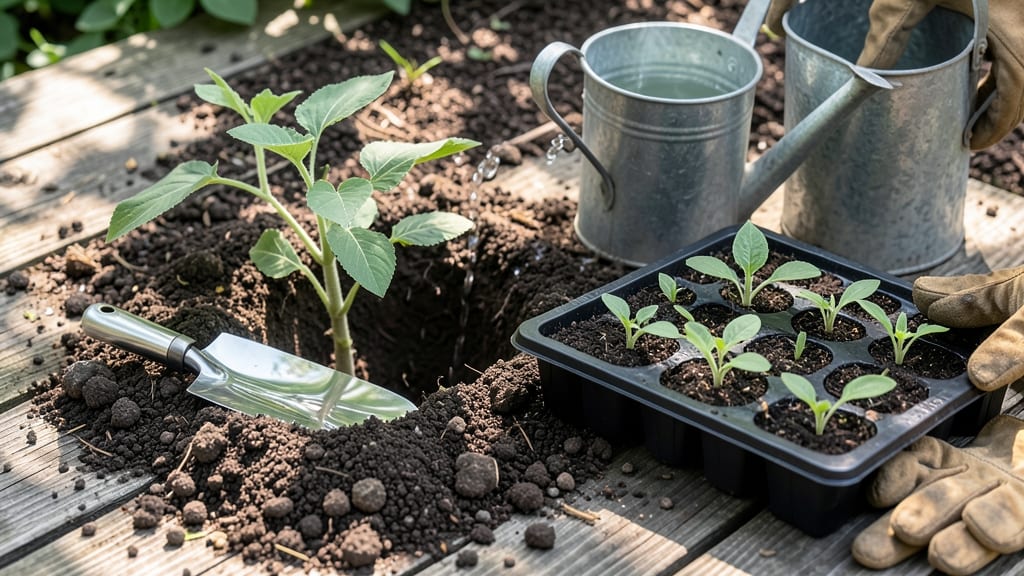
Transferring sunflower seedlings at the right time ensures they grow into those towering 🌻 giants you’ve dreamed of, not spindly, weak stalks that flop over at the first breeze.
Timing is everything—plant too early, and frost will nip those tender leaves; wait too long, and the roots struggle to adapt. Most gardeners in Zone 6a can start hardening off seedlings in early May, but the real key is watching for 50°F nighttime temps and sturdy stems.
Below, I’ll walk you through the exact signs your seedlings are ready—from leaf count to soil warmth—and how to prep them for the big move without shock.
You’ll learn the 7-day hardening schedule that builds resilience, plus the one mistake even experienced growers make when spacing them in the garden.
Sunflower seedling transplant timeline: when to move them outdoors
Timing the transplant of your sunflower seedlings is critical for their survival and growth. These towering beauties need a strong start, and moving them too early risks transplant shock, while waiting too long can stunt their development.
The ideal window depends on soil temperatures, seedling maturity, and your local climate zone. For most regions, aim for when nighttime temperatures consistently stay above 50-55°F.
Sunflowers thrive in warm soil and direct sunlight, so don’t rush the process. Seedlings should have 4-6 true leaves and a sturdy stem at least ¼-inch thick before transplanting. These signs indicate they’ve built enough resilience to handle outdoor conditions.
In USDA Zone 6a (like my garden), this typically falls in late April to early May, but always check your last frost date first.
Here’s a quick reference to help you plan:
| Stage | Action | Ideal Conditions |
|---|---|---|
| Seedling Age | 4-6 true leaves | 3-4 weeks after sowing |
| Stem Strength | ¼-inch thick | Avoids snapping in wind |
| Soil Temperature | 50-55°F at night | Use a soil thermometer |
| Hardening Off | 7-10 days gradual exposure | Start with 2-3 hours/day |
| Transplant Window | After last frost | USDA Zone 6a: Late April |
| Spacing | 6-12 inches apart | Dwarf varieties: 6 inches |
| Post-Transplant Care | Water deeply 2x/week | Morning watering preferred |
In cooler climates (Zones 3-5), wait until mid-to-late May when soil warms up. If you’re in a warmer zone (Zones 7-10), you can transplant as early as March, but monitor for heat stress.
Always prioritize soil temperature over calendar dates—sunflowers won’t thrive in cold soil, no matter how old the seedlings are.
Before transplanting, perform a soil check. Sunflowers prefer well-draining soil with a pH between 6.0 and 7.5. Amend heavy clay with compost or sand to improve drainage. I like to dig a small hole, fill it with water, and see how quickly it drains.
If it takes longer than 10 minutes, your soil may be too compacted for sunflowers.
Another key factor is seedling height. If your sunflowers are already 12 inches tall but still have soft stems, they may need 1-2 more weeks of indoor growth. Tall, leggy seedlings often struggle to support their own weight after transplanting.
To strengthen them, place seedlings in a sunny windowsill or under grow lights for a few extra days before moving outside.
Don’t forget to harden off your seedlings gradually. Start by placing them outside for 2-3 hours on the first day, then increase exposure by 2 hours daily until they’re acclimated to full sun.
This process takes about 7-10 days and prevents transplant shock. I’ve seen seedlings wilt dramatically if rushed—always introduce them to outdoor conditions slowly.
Once your seedlings are ready, transplant on a cloudy day or in the early evening to reduce stress from direct sunlight.
Dig holes twice as wide as the root ball and space them according to the variety. Dwarf sunflowers can go 6 inches apart, while standard varieties need 12-18 inches of space. After planting, water deeply to settle the soil and encourage root growth.
After transplanting, keep an eye out for yellowing leaves, which can signal underwatering or nutrient deficiency. Sunflowers are heavy drinkers, so water them 1-2 inches per week, especially during their first 2-3 weeks outdoors.
Mulching around the base helps retain moisture and keeps roots cool. With the right timing and care, your seedlings will grow into vibrant, towering sunflowers in no time!
Hardening off sunflower seedlings: a step-by-step guide to prevent shock
Transferring sunflower seedlings directly from indoor containers to outdoor gardens can cause transplant shock, stunting growth or even killing them. The key to success is a gradual hardening-off process that mimics outdoor conditions over 7-10 days.
This builds resilience in their delicate stems and leaves, preparing them for full sun exposure and fluctuating temperatures.
Start hardening when your seedlings have 2-3 true leaves and are at least 4-6 inches tall. This typically happens 2-3 weeks after germination, depending on your climate.
The goal is to toughen them up without causing stress, so patience is key—rushing this step often leads to wilting or yellowing once planted outdoors.
7-Day Hardening Off Schedule for Sunflower Seedlings
- Day 1-2: Move seedlings outdoors to a shaded spot (e.g., under a tree or patio cover) for 1-2 hours in the morning. Avoid afternoon sun to prevent heat stress.
- Day 3-4: Increase exposure to 3-4 hours of morning sun, then gradually add 1 hour of afternoon sun by Day 4. Monitor for wilting—if severe, shorten exposure.
- Day 5-6: Extend time outdoors to 6-8 hours, including 2-3 hours of afternoon sun. Place seedlings in a protected location (e.g., windbreak or fence) to shield from harsh winds.
- Day 7-10: Acclimate seedlings to full sun conditions for 8+ hours daily. By Day 10, they should handle direct sunlight and temperature fluctuations without stress.
✅ Pro Tip: Water seedlings before and after hardening sessions to maintain soil moisture and prevent dehydration.
Protect your seedlings from wind and heavy rain during hardening, as these can damage tender leaves and stems. Use a cloche or row cover on windy days, and avoid watering from above to prevent fungal diseases like powdery mildew.
If rain is forecasted, bring seedlings indoors temporarily to keep them dry.
Adjust your watering routine during hardening to prevent overwatering, which weakens stems. Let the top 1 inch of soil dry out between waterings, and always water at the base of the plant to encourage strong root development. Overly saturated soil can lead to root rot, especially in containers.
By the end of the 10-day process, your sunflower seedlings should look vibrant and sturdy, with deep green leaves and no signs of stress. This means they’re ready for permanent transplant into your garden. Choose a cloudy day or early morning for transplanting to reduce shock further.
Remember, consistency is critical—skipping days or rushing the process can undo weeks of growth. With this gradual approach, your sunflowers will thrive outdoors and reward you with towering stems and cheerful blooms all season. Happy gardening! 🌻