
Transplanting
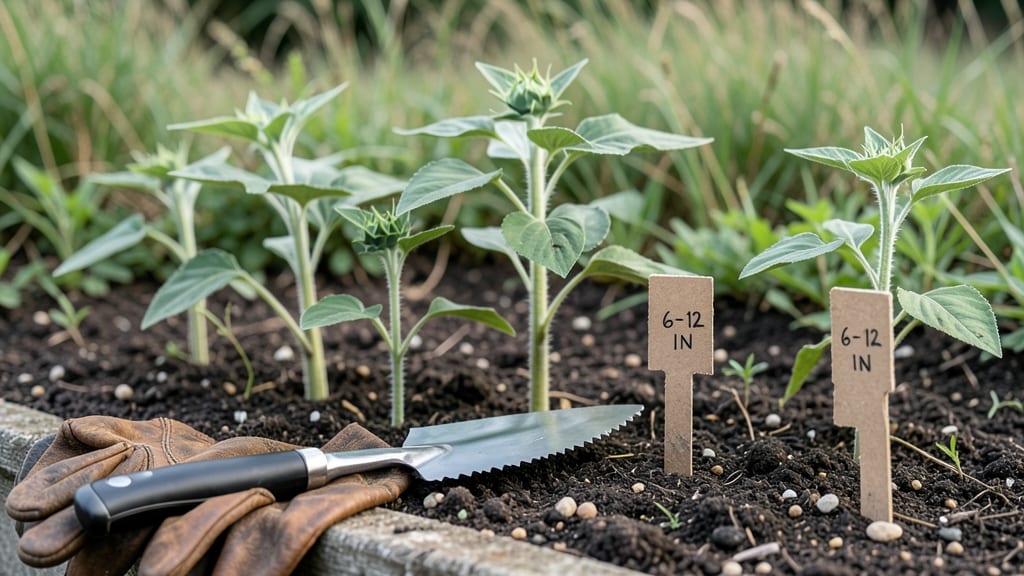
Thinning sunflower seedlings at the right time ensures your 🌻 sunflowers grow strong and tall—here’s when to do it for the best results.
Sunflowers may seem low-maintenance, but thinning seedlings at the wrong stage can leave you with weak stems or stunted growth. The key is timing: wait until they’re 2-3 inches tall and have their first true leaves before thinning.
Why does this matter? Overcrowded seedlings compete for nutrients and sunlight, leading to leggy, spindly plants. By spacing them properly, you give each seedling room to develop a sturdy stem and reach its full potential.
In this guide, I’ll walk you through the exact steps to thin your sunflower seedlings, the tools you’ll need, and how to avoid common mistakes that can set your plants back.
The 2-3 inch rule: when to thin sunflower seedlings for optimal growth
Thinning sunflower seedlings might seem like a minor task, but it’s one of the most critical steps to growing strong, healthy plants. When seedlings are too crowded, they compete for nutrients, sunlight, and water, leading to weak stems and poor yields.
The 2-3 inch rule ensures each plant has enough space to develop a sturdy structure and reach its full potential.
Sunflowers thrive when given room to grow, and thinning at the right time prevents overcrowding while minimizing stress on young plants. The key is to act when seedlings are 2-4 inches tall and have developed their first set of true leaves.
This window balances root development and stem strength, giving your sunflowers the best chance to flourish.
Thinning too early—when seedlings are still tiny—can damage their delicate roots and stunt growth. On the other hand, waiting too long means the plants will be root-bound and stressed, making recovery difficult.
Aim to thin when seedlings are 2-4 inches tall and have developed their first true leaves, not just the initial cotyledons (seed leaves).
Use a pencil or small trowel to gently loosen the soil around the unwanted seedlings before pulling them out. This minimizes disturbance to the roots of the plants you’re keeping. If you’re thinning in rows, maintain a 2-3 inch spacing between each seedling to prevent future crowding as they grow.
Sunflowers with proper spacing develop thicker stems and larger flower heads because they aren’t competing for resources. Crowded plants, however, will grow tall and leggy with weak stems that can snap in wind or rain.
The 2-3 inch rule ensures each plant gets enough sunlight, which is crucial for photosynthesis and energy production.
After thinning, give your sunflowers a deep watering to help them recover from the stress. Avoid fertilizing immediately, as this can encourage rapid but weak growth. Instead, wait a week and focus on keeping the soil moist but not soggy to support root establishment.
If you’re growing dwarf varieties, you can space them slightly closer—around 12-18 inches—but standard sunflowers need the full 2-3 inch initial spacing to avoid overcrowding. Pay attention to how quickly your seedlings grow; faster-growing varieties may need thinning sooner than slower ones.
Watch for signs of stress after thinning, such as yellowing leaves or wilting. This usually means the plants need more water or time to adjust. If you see these symptoms, increase watering slightly and avoid fertilizing until the plants perk up.
Once your sunflowers are properly spaced, they’ll reward you with bold, vibrant blooms and sturdy stems that can reach heights of 6 feet or more. The effort you put into thinning now will pay off in a stunning, productive sunflower display by summer.
Step-by-step guide to thinning sunflower seedlings without damaging plants
Thinning sunflower seedlings might seem intimidating, but it’s one of the most effective ways to ensure strong, healthy plants.
The key is timing and technique—remove weaker seedlings when they’re small enough to avoid stressing the remaining ones. Use a gentle grip and work on a mild, cloudy day to reduce transplant shock.
Before you begin, gather your tools: a pair of clean pruning shears or a small trowel, a watering can with a fine rose, and a small bucket for discarded seedlings.
Always thin to a spacing of 12–24 inches apart, depending on the sunflower variety, to give roots room to grow.
-
Step 1: Wait Until Seedlings Are 2–3 Inches Tall
Thin when seedlings have 2–3 true leaves and are 2–3 inches tall. This ensures they’ve developed enough roots to recover quickly.
-
Step 2: Water the Soil Thoroughly
Soak the soil 1–2 hours before thinning to loosen roots and make pulling easier. Avoid watering just before to prevent soil erosion.
-
Step 3: Grasp Seedlings at the Base
Use your thumb and forefinger to pinch the stem just above soil level. Avoid tugging—this can damage roots of nearby plants.
-
Step 4: Remove Weakest Seedlings First
Prioritize smaller, leggy, or diseased seedlings. Leave the healthiest, straightest stems to maximize sunlight and nutrient access.
-
Step 5: Water Immediately After Thinning
Give remaining seedlings a deep watering to help them recover. Use a fine rose nozzle to avoid disturbing soil around roots.
After thinning, monitor your sunflowers closely for the first 3–5 days. Yellowing leaves or wilting can signal transplant shock, so keep the soil consistently moist but not soggy. If needed, apply a light fertilizer (like 5-5-5) 1–2 weeks later to support new growth.
For large patches, consider thinning in stages over 2–3 days to reduce stress. Always thin in the morning when temperatures are cooler, and avoid thinning during hot afternoons or windy days, which can stress delicate seedlings.
With proper thinning, your sunflowers will grow taller, straighter, and more productive. The effort now pays off with bigger blooms and higher seed yields—worth every pinch! 🌻