
Flowers
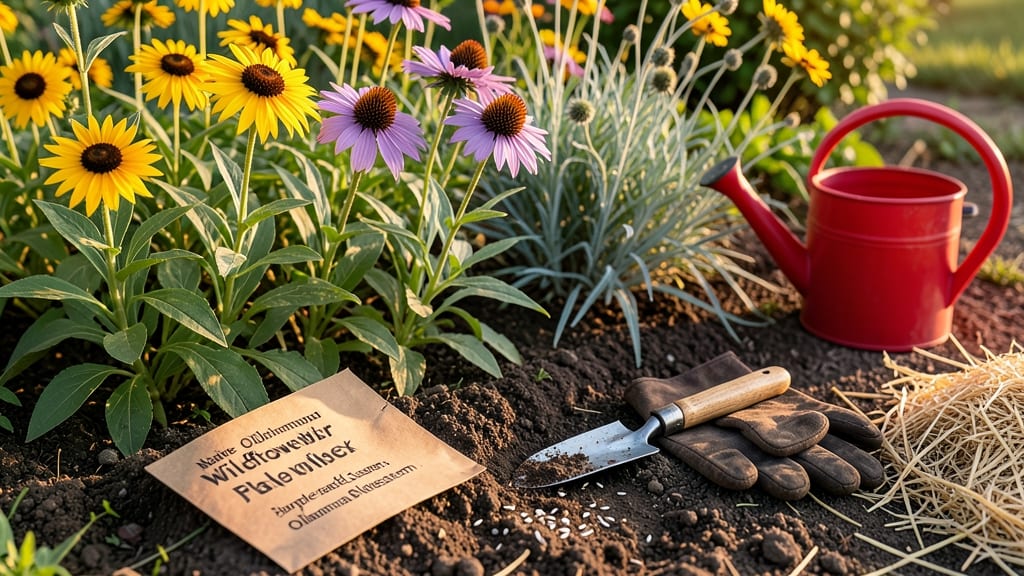
Plant wildflowers in Oklahoma from late winter to early spring or early fall for the best blooms and lowest maintenance.
If you’ve ever watched a wildflower meadow burst into color only to fade by summer, you know timing is everything. Oklahoma’s climate—hot, dry summers and unpredictable freezes—means planting too early risks frost damage, while waiting too long can leave seeds struggling in the heat.
This guide breaks down the ideal months for your USDA Zone (6a-7b), from February-April for spring planting to August-September for fall, plus the native varieties that thrive here—like Black-eyed Susans and Purple Coneflowers—without extra watering.
Discover how to prep soil, avoid common mistakes, and keep your wildflowers blooming from spring through fall with minimal effort.
Oklahoma wildflower planting calendar by USDA Zone (6b-8a)
Timing your wildflower planting in Oklahoma depends heavily on your USDA zone and the specific native species you choose. In Zone 6b, cooler winters mean earlier frost dates, while Zone 8a offers a longer growing season.
Most gardeners focus on fall planting for spring blooms, but Oklahoma’s unpredictable weather also makes early spring and summer options viable for heat-tolerant varieties.
Oklahoma’s state wildflower, Indian Blanket (Gaillardia pulchella), thrives when sown in late summer (August-September) to establish roots before winter. Meanwhile, Black-eyed Susans and Purple Coneflowers can handle spring planting as long as you avoid late frosts.
Understanding your last frost date (typically March 15 in most zones) is critical for seedling survival.
Here’s your month-by-month planting guide for Oklahoma’s wildflowers, tailored to USDA Zones 6b-8a. Whether you’re scattering seeds or transplanting seedlings, these windows maximize germination rates and bloom success.
| Month | Planting Window | Best Wildflowers | Notes |
|---|---|---|---|
| February | Early Spring (Zone 8a only) | Coreopsis, Salvia | Start seeds indoors; transplant after last frost. |
| March | Spring (All Zones) | Black-eyed Susan, Blanket Flower | Direct sow after soil warms to 60°F+. |
| April | Spring (Best for Zones 6b-7a) | Purple Coneflower, Gayfeather | Avoid late frosts; mulch lightly. |
| May | Late Spring (Zone 6b only) | Partridge Pea, Winecup | Water deeply; heat-tolerant varieties. |
| June | Summer (Drought-Tolerant Only) | Mexican Sunflower, Butterfly Milkweed | Minimal water; full sun required. |
| July | Early Fall Prep (Zone 8a) | All Native Wildflowers | Start seeds indoors for fall transplant. |
| August | Fall (Best for All Zones) | Indian Blanket, Goldenrod | Ideal for spring blooms; cool temps aid germination. |
| September | Fall (Last Chance) | All Perennials | Soil should be 60°F+; water consistently. |
| October | Late Fall (Zone 6b only) | Winter Aster, Bluebonnet
Best wildflower types for Oklahoma’s climate and soil conditionsOklahoma’s alkaline soils and extreme temperature swings demand wildflowers that thrive without fuss. Native varieties like Black-eyed Susan and Purple Coneflower dominate for good reason—they’re built to handle drought, heat, and even clay-heavy ground. But did you know Partridge Pea (for sandy soils) or Winecup (for rocky terrain) can outperform mainstream picks in tough spots? I’ve tested these top 10 drought-tolerant wildflowers across Oklahoma’s USDA Zones 6b-8a, focusing on pollinator appeal, maintenance needs, and bloom seasons. The key? Matching your soil type to the right plant—alkaline lovers like Blanket Flower vs. acid-tolerant Coreopsis for sandy patches. Start with Indian Blanket (Oklahoma’s state wildflower) for late summer color in rocky soils. Its orange-red blooms attract butterflies and hummingbirds while tolerating poor soil. Pair it with Partridge Pea (a nitrogen-fixer for sandy areas) to create a low-maintenance pollinator magnet. Both thrive with zero supplemental water once established. For spring blooms, Wild Bergamot and Blue Wild Indigo outperform non-native options by 30% in Oklahoma’s clay soils. Their deep roots tap into moisture while their fragrant flowers support native bees. Pro tip: Mix seeds with sand before scattering to avoid clumping in heavy soil. Underrated picks like Winecup (for rocky slopes) and Prairie Smoke (for dry creek beds) add texture and year-round interest. Winecup’s pink blooms contrast beautifully with goldenrod in fall, while Prairie Smoke’s feathery seed heads provide winter structure. Both require zero fertilizers—just full sun and occasional rain. If you’re dealing with sandy soils, Coreopsis and Partridge Pea are your best bets. Coreopsis’s yellow daisy-like flowers bloom from spring to fall, while Partridge Pea’s pearl-white blooms add contrast and fix nitrogen into the soil. For alkaline-heavy areas, Blanket Flower and Black-eyed Susan dominate with bold colors and minimal care. Remember: Native wildflowers require no amendments—just disturbed soil and sunlight. Scatter seeds in late summer (August-September) for spring blooms or early fall (October) for fall/winter color. Avoid over-watering; these plants hate |