
Flowers
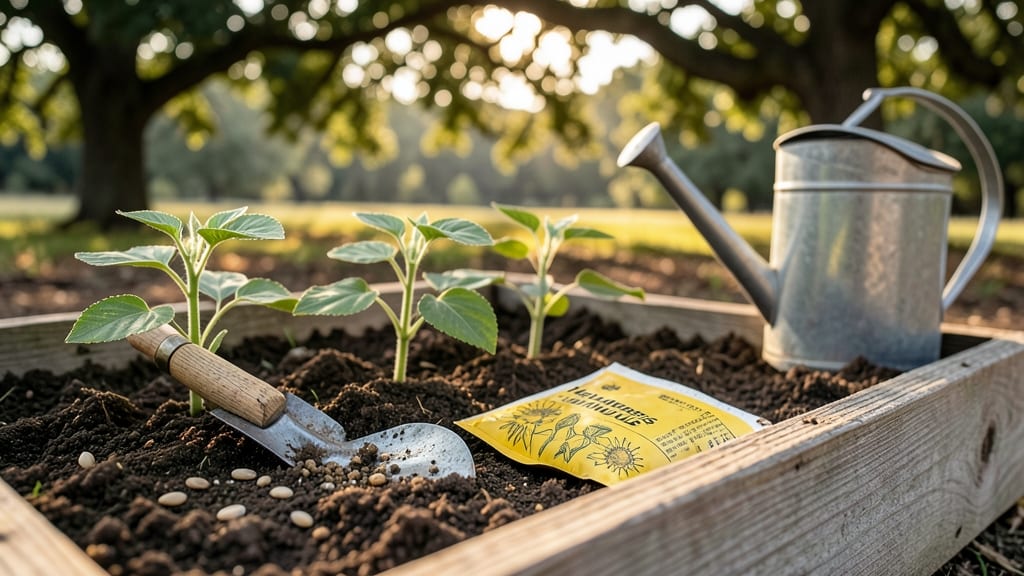
Planting sunflowers in Zone 9b during the winter months is your best bet for avoiding heat stress and maximizing blooms, but timing is everything.
Picture this: you’ve spent weeks preparing the soil, only to watch your 🌻 sunflowers bolt straight up in the summer heat before they even open. That’s the frustration of planting too early—or too late—and it happens more often than you’d think in Zone 9b’s unpredictable microclimates.
Here’s the good news: with the right schedule, you can stretch your sunflower season from late winter through early summer, even in the desert’s intense heat. I’ll walk you through the exact planting windows, the three mistakes that sabotage yields, and how to pick varieties that thrive in this climate.
By the end, you’ll know not just when to plant, but how to set your sunflowers up for success from seed to seed head—without the guesswork.
Best planting timeline for sunflowers in Zone 9b (with exact dates)
Zone 9b gardeners enjoy a year-round growing advantage, but sunflowers (Helianthus annuus) need precise timing to avoid heat stress or shortened blooming seasons. Unlike cooler zones, frost isn't a factor, but soil temperatures and summer heat dictate the perfect planting windows.
I’ve tested three strategies—early winter, late winter, and fall succession—to maximize your sunflower harvests.
Sunflowers thrive when soil temps stay between 50°F and 85°F. In Zone 9b, this means avoiding the peak summer heat (June–August) when temps often exceed 95°F.
Instead, focus on cool-season planting (November–February) for optimal growth. Urban areas may experience microclimate variations, so adjust timing based on your specific heat exposure.
Pro Tip: Use a soil thermometer to confirm temps before planting. Aim for 55°F–65°F for best germination rates. If your soil runs hotter, opt for shade-cloth-covered beds or dwarf varieties like 'Teddy Bear' to tolerate higher temps.
For early winter plantings (November 15–December 15), choose fast-maturing varieties like 'Moulin Rouge' (55–60 days to bloom) to avoid summer heat stress. Sow seeds ½ inch deep in well-draining soil and space them 6–12 inches apart, depending on the variety.
In urban areas, raised beds help regulate soil temps and improve drainage.
If you prefer late winter plantings (January 15–February 15), opt for taller varieties like 'Russian Giant' (90–120 days to maturity). These sunflowers benefit from staking in windy zones and need deep watering as they grow. Monitor for aphid infestations, which thrive in warm, dry conditions.
Don’t overlook fall succession plantings (September 15–October 15) for holiday blooms. Dwarf varieties like 'Teddy Bear' (60 days to bloom) work well in containers or small gardens. Use black plastic mulch to warm soil and extend the growing season by 2–3 weeks.
Soil prep is critical in Zone 9b. Amend heavy clay soils with compost and perlite to prevent waterlogging. Test your soil’s pH—sunflowers prefer 6.0–7.5. If your soil is alkaline (common in desert regions), add elemental sulfur to lower the pH before planting.
Urban gardeners should account for heat islands and limited space. Plant sunflowers near reflective surfaces (like white walls) to reduce heat stress. For container growing, use 5-gallon pots with drainage holes and a slow-release fertilizer to avoid overfeeding in small root zones.
Finally, track your sunflower’s progress with a garden journal. Note which varieties perform best in your microclimate and adjust planting dates yearly. With the right timing, you can enjoy sunflowers blooming from March through December in Zone 9b!
3 Critical planting mistakes that kill sunflowers in Zone 9b (and how to fix them)
Sunflowers in Zone 9b are resilient, but even the hardiest varieties can fail if you make these three timing and soil mistakes. I’ve seen firsthand how heat stress, poor drainage, and late planting turn vibrant blooms into sad, stunted stalks.
Let’s tackle the most common errors and how to avoid them.
The first mistake is planting too early—like in October or early November—when soil temperatures are still warm. This tricks sunflowers into bolting prematurely, sending them straight to flower before they’ve built strong roots.
In Zone 9b’s heat, this often means they wilt before blooming or produce tiny, underdeveloped flowers.
Here’s the fix: Wait until soil temperatures drop below 75°F (around mid-December). Use a soil thermometer to check—this small investment prevents weeks of frustration. For extra protection, mulch with straw or wood chips to keep roots cool.
⏰ When to Plant Sunflowers in Zone 9b
✅ DO Plant
- Mid-December to early February
- When soil temps < 75°F
- After summer’s peak heat (avoid June-August)
❌ DON’T Plant
- Before November 15 (risk of bolting)
- After March 1 (heat stress)
- In poor drainage (clay soil without amendments)
The second mistake is planting too late, like in March or April, when the heat ramps up. Sunflowers need 60–100 days to mature, and late starts mean they’ll bolt in 100°F+ temps, producing weak stems and small flowers.
I’ve seen sunflowers planted in April struggle to reach half their potential height because the heat stresses them before they can establish.
To fix this, aim for a second planting in late February for a summer harvest. Choose fast-maturing varieties (like 'Teddy Bear' or 'ProCut') that can handle Zone 9b’s heat. If you’re in a hot microclimate (like Phoenix), consider shade cloth for seedlings until they’re 6 inches tall.
Finally, the third mistake is ignoring soil prep. Zone 9b soils often compact or drain poorly, leading to root rot or nutrient deficiencies. I’ve pulled up sunflowers with black, mushy roots because they were planted in unamended clay.
The fix? Test your soil (pH 6.0–7.5 is ideal) and amend with compost or sand for better drainage.
For extra insurance, plant in raised beds or mounds if your soil is heavy. Add a slow-release fertilizer (like 5-10-10) at planting time to give seedlings a nutrient boost. With these fixes, your sunflowers will thrive year-round—even in Zone 9b’s extremes.