
Flowers
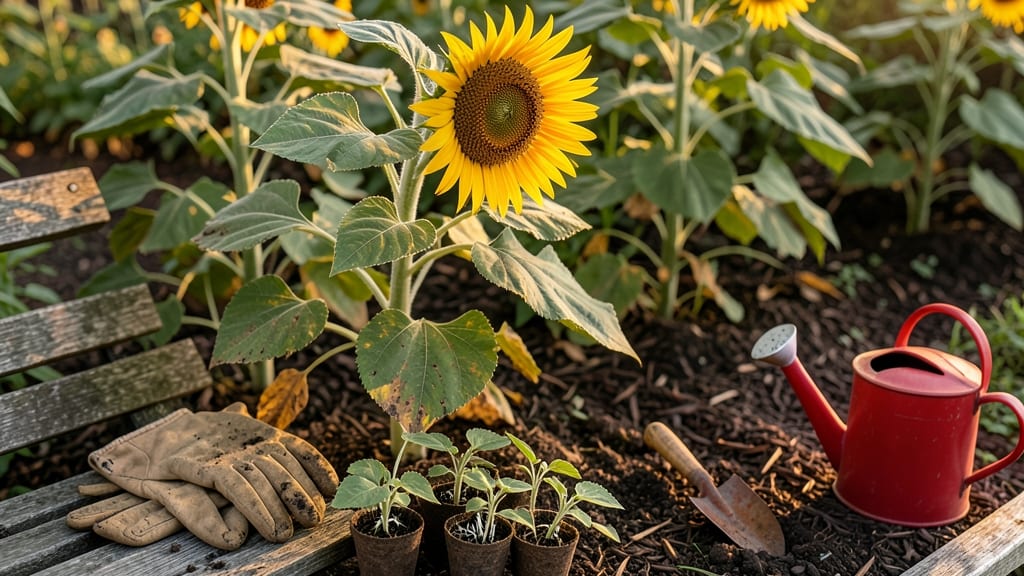
Planting sunflowers in Tucson demands timing that avoids both frost and scorching heat — aim for late summer or early spring to catch the perfect window between extremes.
Tucson’s intense desert climate can turn sunflower gardening into a high-stakes game—plant too early and risk frost, too late and face wilting heat. But with the right timing, you’ll grow sunflowers that tower over your garden like golden skyscrapers.
For fall planting, September to October is ideal, letting seeds establish roots before winter cools down. Spring plantings should go in March or April, when soil temperatures drop below 85°F to prevent bolting.
Below, I’ll break down the exact months, soil prep tricks, and watering schedules that keep your 🌻 sunflowers thriving in Tucson’s unique microclimate—no guesswork, just results.
Best sunflower planting months in Tucson’s desert climate zones
Tucson’s USDA Zone 9b climate creates unique challenges for sunflower growers. The low desert (like downtown Tucson) and foothills areas (elevations 2,000-4,000 ft) have different frost risks and heat patterns. This means your planting window can vary by 3-4 weeks depending on where you live.
For example, foothills gardeners can plant earlier in spring, while low desert gardeners must wait until soil cools.
Sunflowers thrive in Tucson’s long, hot summers but struggle with extreme heat above 95°F and late frosts that can occur until mid-January. The key is planting when soil temperatures stay below 85°F—this prevents bolting (premature flowering) and ensures strong root development.
Let’s break down the best months for both direct sowing and seed-starting indoors.
| Planting Window | Low Desert (e.g., Downtown Tucson) | Foothills (e.g., Catalina Foothills) | Best Method |
|---|---|---|---|
| Spring Planting | March 15 - April 15 | March 1 - April 1 | Direct sow after last frost risk |
| Fall Planting | September 1 - October 15 | August 15 - September 30 | Direct sow or start seeds indoors |
| Seed Starting Indoors | February 1 - March 1 | January 15 - February 15 | Transplant outdoors after frost risk |
| Soil Temp Threshold | Below 85°F | Below 80°F | Use soil thermometer for accuracy |
| Heat Tolerance Tip | Choose Moulin Rouge or Autumn Beauty varieties | Avoid planting after May 15 | Provide afternoon shade in summer |
For spring planting, low desert gardeners should wait until mid-March when daytime highs stabilize above 75°F. Foothills areas can start as early as early March thanks to cooler nights. I recommend direct sowing in the garden—sunflowers hate transplanting and develop better roots when planted directly.
If you’re eager to get a head start, begin indoor seed-starting in late February (low desert) or mid-January (foothills).
Fall planting is often the most successful strategy in Tucson’s climate. By planting in September or October, sunflowers establish roots before winter and bolt in spring when temperatures are ideal. The foothills can even start as early as mid-August for a fall harvest.
I’ve had my best luck with ‘Teddy Bear’ dwarf varieties in fall—they mature quickly and avoid the worst summer heat.
One common mistake is ignoring microclimate variations within Tucson. For example, areas near Mount Lemmon can have 10°F cooler nights than downtown, allowing for earlier planting. Always check your specific last frost date—while rare, frosts can occur until mid-January in the low desert.
Use a frost watch from the National Weather Service or local gardening groups for real-time updates.
If you’re growing sunflowers for seeds or cut flowers, aim for late summer to early fall planting. This ensures they mature before October’s heat waves stress the plants. I’ve found that ‘Russian Giant’ varieties need 90+ days to mature, so they’re better suited for fall planting in Tucson.
For quicker results, choose ‘ProCut’ hybrid varieties, which mature in 50-60 days and are perfect for spring plantings.
Pro tip: Use black plastic mulch to warm soil faster in spring or straw mulch to retain moisture in fall. This extends your planting window by 1-2 weeks in both directions.
I also recommend deep watering at planting—sunflowers need 1-2 inches of water per week, especially during Tucson’s dry winds that increase evaporation.
For container growing, start seeds in 4-inch pots by February 15 (
How to extend sunflower growing season in Tucson’s extreme heat
Tucson’s summer temperatures can push 110°F+, making it challenging to grow sunflowers without wilting. The key to success lies in strategic planning and heat mitigation. By using shade cloth, optimizing soil moisture, and selecting heat-tolerant varieties, you can extend your sunflower’s growing season well beyond the typical spring window.
I’ve learned that even in extreme heat, sunflowers can thrive with the right care.
First, focus on soil moisture retention. Sunflowers need consistent watering, but Tucson’s heat causes rapid evaporation. Mulching with 2-3 inches of organic mulch (like straw or wood chips) helps retain moisture while keeping roots cool.
I’ve seen this technique extend the growing season by 3-4 weeks in my own garden. Pair this with deep watering in the early morning to minimize evaporation loss.
Here’s my proven strategy for beating Tucson’s heat with sunflowers:
- 1. Plant heat-tolerant varieties: Choose 'Autumn Beauty' or 'Moulin Rouge'—both handle 100°F+ better than standard types.
- 2. Use shade cloth (30-50% coverage): Install shade cloth in June-July to reduce soil temp by 10-15°F.
- 3. Water deeply at planting: Soak soil to 12 inches deep to establish roots before extreme heat arrives.
- 4. Mulch heavily: Apply 3 inches of straw mulch to retain moisture and cool roots.
- 5. Avoid fertilizing in summer: Skip nitrogen-heavy feeds during peak heat to prevent stress.
For shade cloth timing, I recommend installing it in early June when temperatures consistently exceed 100°F. Remove it by mid-September to allow sunflowers to harden off for fall harvests. This approach lets me grow sunflowers through three harvest cycles per year—spring, summer, and fall—without wilting.
Another critical tip is selecting the right varieties. Heat-tolerant sunflowers like 'Russian Giant' or 'ProCut' handle Tucson’s climate better than standard types. These varieties also produce larger seeds, making them ideal for bird feeders or roasting.
I’ve had success with fall-planted sunflowers that bloom in November, avoiding the worst summer heat entirely.
Finally, monitor your plants for heat stress signs like yellowing leaves or drooping stems. If you notice these, provide immediate shade and increase watering frequency temporarily. With these strategies, you can enjoy sunflowers year-round in Tucson, even when temperatures soar.