
Flowers
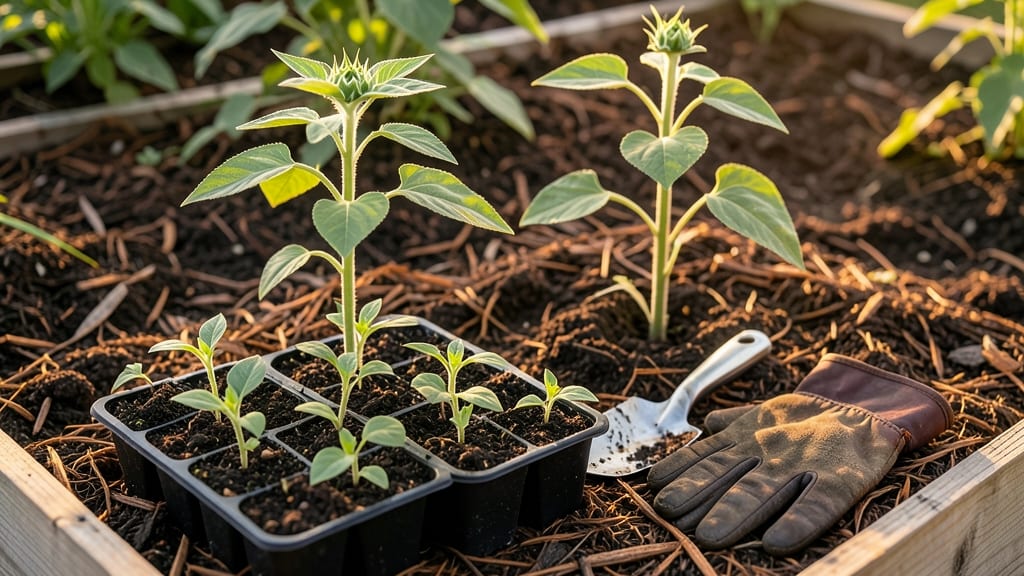
To plant sunflowers in Sacramento, aim for March–April or August–September—timing that aligns with soil warmth and avoids frost or scorching heat.
Picture this: you’ve spent weeks nurturing your 🌻 seedlings, only to watch them wilt under a late frost or bolt in summer’s heat. Sacramento’s Zone 9a climate gives you two prime windows, but getting them wrong means missed blooms—or worse, no blooms at all.
Most gardeners in the area swear by spring planting, but late-summer sowing can extend your harvest into fall. The key? Soil temperatures above 50°F and a smart choice between direct sowing and indoor starts.
Below, I’ll break down the exact dates, soil prep tricks, and how to adjust for Sacramento’s microclimates—so you can grow sunflowers that reach their full, towering potential.
Best planting times for sunflowers in Sacramento’s climate zones
Sacramento’s USDA Zone 9a/9b climate offers two perfect windows for growing sunflowers—spring and late summer. But timing matters more than you think. The average last frost date is January 15, while the first frost typically arrives December 15.
This means you’ve got a long growing season, but heat and soil conditions can make or break your sunflowers.
Sunflowers thrive when soil temperatures hit 50°F (10°C) or warmer. In Sacramento, this usually happens by mid-March. Planting too early risks frost damage to young seedlings, while waiting too long can lead to bolting (rapid flowering) before the plant matures.
Let’s break down the ideal planting windows to maximize your sunflower’s potential.
🌱🌻
| Planting Window | Soil Temp Threshold | Last Frost Risk | Heat Tolerance | Best Varieties |
|---|---|---|---|---|
| Mid-March to Mid-April | 50°F (10°C) | Low (post-frost) | Moderate (spring heat) | 'Autumn Beauty', 'Moulin Rouge' |
| Late August to Mid-September | 60°F (15°C) | None (frost-free) | High (summer heat) | 'ProCut', 'Russian Giant' |
🌡️ Key: Soil temp must stay above 50°F for 7+ days before planting.
Spring planting is my go-to for Sacramento gardeners. Start seeds indoors in late February to get a head start, then transplant outdoors after the last frost. For direct sowing, aim for mid-March when soil temperatures consistently stay above 50°F (10°C).
This timing ensures your sunflowers have enough time to mature before summer’s peak heat arrives.
If you’re aiming for fall blooms, late summer planting is your secret weapon. Sow seeds in August to catch the tail end of summer’s warmth. Varieties like 'Russian Giant' can handle Sacramento’s late-summer heat better than others.
Just be sure to plant by mid-September—any later, and your sunflowers may not have enough time to bloom before cooler weather sets in.
Sacramento’s heat tolerance is a double-edged sword. While sunflowers love the sun, prolonged temperatures above 90°F (32°C) can stress young plants. To combat this, I always mulch heavily around the base to retain moisture and water deeply in the morning to avoid evaporation.
A light shade cloth can also help during extreme heatwaves.
Don’t overlook soil preparation—sunflowers are heavy feeders. Amend your soil with compost or aged manure before planting to ensure nutrients are available. In Sacramento’s clay-heavy soil, adding sand or perlite improves drainage, which is critical for preventing root rot during our occasional winter rains.
For container growers, timing is even more critical. Start seeds in pots by late March and move them outdoors after the last frost. Use large containers (5+ gallons) to accommodate their deep root systems. Remember, sunflowers in pots dry out faster, so monitor soil moisture closely during Sacramento’s dry spells.
Pro tip: If you’re experimenting with succession planting, sow a second round in late May for a late-summer harvest. Choose dwarf varieties like 'Teddy Bear' to avoid overcrowding and make harvesting easier. Just be prepared to provide extra water as temperatures climb.
Finally, keep an eye on the moon phases if you’re a traditional gardener. Planting during the waxing moon (when the moon is growing) is said to encourage stronger root development—though science says it’s more about consistency than celestial timing.
Either way, stick to your chosen window and give your sunflowers the care they deserve.
3 Critical mistakes that kill Sacramento sunflower growth (and how to fix them)
Sacramento’s sunflower lovers often make the same timing mistakes that stifle growth. I’ve seen wilted seedlings from planting too early and struggling stalks from waiting too late. The key is avoiding these high-risk periods where even small errors can mean the difference between vibrant blooms and wasted effort.
First, let’s tackle the biggest mistake: planting after heatwaves. Sacramento’s summer temperatures can hit 100°F+ by June, and sunflowers planted in mid-summer often bolt too quickly or suffer heat stress. The solution? Stick to spring (March-April) or late summer (August-September) for optimal growth.
Mistake #1: Ignoring soil temperature before planting. Sunflowers need soil temps above 50°F (10°C). Planting in cold soil delays germination and invites rot. Always check soil temps with a soil thermometer—if it’s below 50°F, wait at least 1-2 weeks.
Mistake #2: Overcrowding seedlings too soon. Many gardeners plant seeds too closely (less than 6 inches apart) and end up with stunted growth from competition. Thin seedlings to 12-18 inches apart once they’re 3-4 inches tall—this gives roots room to establish deeply.
⚠️ Mistake vs. Solution Matrix for Sacramento Sunflowers
| Mistake | Why It Fails | Solution | Best Time to Fix |
|---|---|---|---|
| Planting after heatwaves | Heat stress stunts growth | Plant in March-April or August-September | Before June 1 |
| Ignoring soil temp (<50°F) | Slow germination, rot risk | Wait until soil hits 50°F+ | March-April |
| Overcrowding seedlings | Competition for nutrients | Thin to 12-18" apart | 3-4 weeks after sprouting |
🌱 Pro Tip: Use mulch after thinning to retain moisture and suppress weeds.
Mistake #3: Skipping pre-planting soil prep. Sacramento’s clay-heavy soil drains poorly, leading to root rot. Always amend soil with compost or aged manure before planting. Mix in 1-2 inches of organic matter to improve drainage and nutrient availability.
Finally, avoid late-night watering. Watering after sunset leaves foliage damp overnight, inviting fungal diseases. Always water early morning (before 10 AM) to give leaves time to dry completely. This simple shift can double your success rate.
By fixing these three critical mistakes, your Sacramento sunflowers will thrive—reaching 10+ feet tall with bold, cheerful blooms from June through October. Start with the right timing, and you’ll enjoy sunflowers that outshine the competition! 🌻