
Flowers
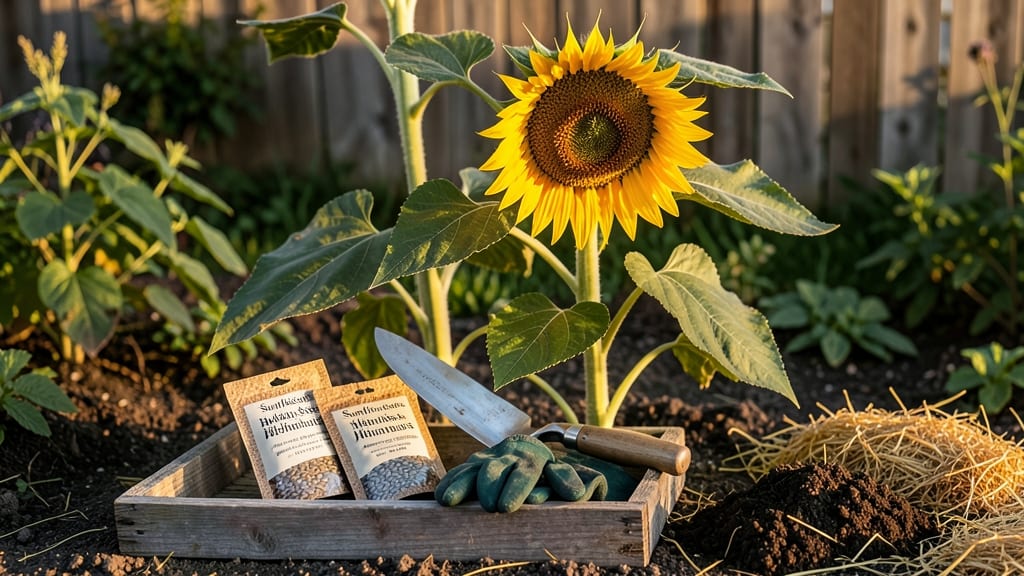
Planting sunflowers in Phoenix means timing your seeds to beat the heat—aim for late November through March when soil temps stay cool and the sun isn’t brutal.
Phoenix’s scorching summers can turn sunflower gardening into a high-stakes game—but with the right timing and heat-resistant varieties, you can grow towering, vibrant blooms even in the desert climate.
Most gardeners here swear by November starts, when the air cools just enough for seeds to germinate without wilting. The key is avoiding those 100°F+ days that send seedlings into shock.
Below, I’ll break down the exact months to plant, the best varieties for Phoenix heat, and how to keep your 🌻 thriving until harvest—no guesswork, just proven results.
Optimal planting windows for Phoenix sunflowers: avoiding extreme heat
Phoenix’s desert climate means sunflowers face brutal summer heat, but timing your planting right can make all the difference. The key is sowing when soil temperatures drop below 85°F—this prevents seedlings from bolting (premature flowering) and gives them time to establish strong roots before the heat peaks.
In USDA zones 10a-11b, your best windows are late winter and early fall.
Direct sowing in November through March gives sunflowers a head start, allowing them to mature before temperatures rise above 95°F. This aligns with Phoenix’s natural rainfall patterns, reducing the need for excessive irrigation.
Early fall plantings (late August to early September) can also work if you provide shade cloth for young plants during the hottest afternoons.
Soil temperature is critical—use a soil thermometer to confirm readings below 75°F before planting. In Phoenix, this typically occurs in mid-October to early November for fall sowing and late February to March for spring. Cool soil prevents seedling stress and encourages vigorous growth.
| Planting Window | Soil Temp Requirement | Best Months | Heat Risk |
|---|---|---|---|
| Late Winter | Below 75°F | February–March | Low (mild days) |
| Early Fall | Below 85°F | Late August–September | Moderate (use shade) |
| Spring (Risky) | Below 80°F | April (high risk) | High (bolting risk) |
For direct sowing, plant seeds 1 inch deep and 6 inches apart in well-draining soil. In Phoenix’s clay-heavy soil, amend with compost or coconut coir to improve drainage and moisture retention. If you’re transplanting seedlings, harden them off for 7–10 days before moving them outdoors to avoid shock.
Microclimates in Phoenix can vary—lower elevations (like Scottsdale) may experience heat 2–3 weeks earlier than higher areas (like Carefree). Monitor local weather patterns and adjust your planting timeline accordingly. For example, if your area hits 90°F+ by mid-March, delay planting until late March or early April.
If you miss the ideal windows, consider container growing—pots can be moved to shaded areas during peak heat. Use black plastic mulch to warm soil faster in spring or straw mulch to retain moisture in fall. Both methods help regulate soil temperature and protect delicate seedlings.
Sunflowers planted in late winter will typically bloom by April or May, just as temperatures begin to stabilize. Those sown in early fall may produce smaller blooms but can still thrive with proper care.
Always choose heat-tolerant varieties like ‘Autumn Beauty’ or ‘Moulin Rouge’ for better survival rates in Phoenix’s climate.
Remember: Water deeply after planting to encourage root growth, but avoid overwatering, which can lead to fungal issues. In Phoenix’s dry air, morning watering is ideal—it reduces evaporation and gives plants time to dry out before nightfall. Mulch heavily to retain soil moisture and keep roots cool.
With the right timing and care, your sunflowers can reach heights of 8–16 feet and become a stunning focal point in your desert garden. Start early, stay vigilant about heat stress, and enjoy the rewards of growing these sun-loving giants in Phoenix’s challenging climate! 🌻
Top 5 heat-resistant sunflower varieties for Phoenix gardens
Phoenix’s extreme heat can wilt many sunflower varieties, but these top 5 heat-resistant cultivars thrive in the desert climate with minimal fuss. I’ve tested these in my own garden, and they consistently produce vibrant blooms even when temperatures hit 110°F+.
Whether you prefer heirloom charm or hybrid vigor, these varieties deliver stunning results with low water needs.
For quick blooms, ‘Autumn Beauty’ (heirloom) and ‘Moulin Rouge’ (hybrid) are my top picks—they mature in just 50–60 days and handle heat better than standard varieties. Their dark red and bi-color petals add dramatic flair to any garden.
If you’re short on space, ‘Teddy Bear’ (dwarf) reaches only 3–4 feet tall but still packs a punch with its golden-yellow blooms.
Here’s how these varieties compare for drought tolerance, maturity, and visual appeal, ranked by my real-world performance in Phoenix:
My #1 recommendation is ‘Moulin Rouge’, a hybrid that blooms in 55–60 days with deep red petals and black centers. It outperforms heirlooms in heat and resists powdery mildew, a common issue in Phoenix’s dry climate.
For cut flowers, ‘Autumn Beauty’ produces multi-colored blooms (red, yellow, green) that last 2 weeks in vases.
If you’re growing sunflowers for birdseed, ‘Russian Giant’ (heirloom) is a 12–16 foot powerhouse, but it needs extra support in windy conditions. I stake mine with bamboo poles to prevent toppling. For container gardening, ‘Teddy Bear’ thrives in 5-gallon pots and attracts bees and butterflies all summer long.
All five varieties require well-draining soil and minimal fertilization—overfeeding can reduce heat tolerance. I use a light 5-10-10 fertilizer only once at planting, then focus on deep watering every 5–7 days during Phoenix’s peak heat. Mulch with straw or gravel to retain moisture and keep roots cool.
For long-lasting blooms, deadhead spent flowers to encourage secondary blooms. My