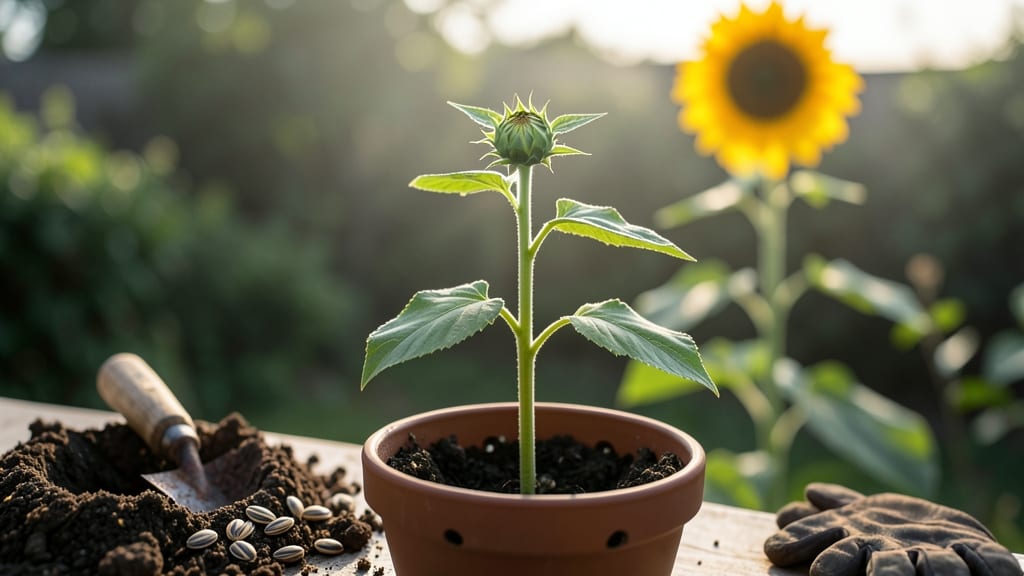
Planting sunflowers in NJ between mid-April and late June ensures they reach their full towering potential 🌻—just in time for summer’s brightest displays.
Picture this: vibrant blooms stretching toward the sky, attracting bees and butterflies while adding a pop of color to your garden. But miss the window, and you might end up with leggy, weak stems that never fully open.
New Jersey’s USDA Zones 6b and 7a give you a short but critical growing season, so timing is everything.
Whether you’re a first-time gardener or a seasoned pro, knowing the exact dates to plant—plus soil prep and spacing tricks—can mean the difference between a fast, flourishing sunflower and a disappointing flop.
I’ll walk you through the ideal planting schedule, frost considerations, and pro tips to maximize growth in your NJ garden.
Ready to grow sunflowers that steal the show? Let’s dive into the fastest, easiest way to get those golden faces blooming all summer long.
🌻
When to Plant Sunflower
Jan
❄️
Feb
❄️
Mar
🌱
Apr
🌻
May
🌻
Jun
🌻
Jul
🌱
Aug
☀️
Sep
🍂
Oct
🍂
Nov
🍂
Dec
❄️
Optimal sunflower planting dates in NJ by USDA Zone 6b/7a
New Jersey’s USDA Zones 6b and 7a offer a short but productive growing season for sunflowers, making timing critical. The last average frost date typically falls around April 15 in most of NJ, but coastal areas like Cape May can see it as late as May 1.
Inland regions like central NJ often warm up faster, allowing earlier planting. Understanding these microclimates helps you choose the perfect window for your sunflower varieties—whether you’re growing dwarf varieties (60–70 days) or giant sunflowers (90–120 days).
For direct sowing, which is the preferred method for sunflowers, aim to plant seeds 1–2 weeks after your last frost date. This ensures soil temperatures reach the ideal 55°F (13°C) for germination.
Transplanting sunflower seedlings is less common but can work if you start them indoors under grow lights 4–6 weeks before your target outdoor date. However, sunflowers transplant poorly due to their deep taproots, so direct sowing is always the better choice.
Here’s the key: Fast-maturing varieties (60–70 days) can be planted as late as late June for a fall harvest, while giant sunflowers (90–120 days) need to be in the ground by mid-May to reach their full height before the first frost in mid-October.
Coastal NJ gardeners should err on the later side, while inland gardeners can push the envelope slightly earlier.
🌱
| Planting Method |
Optimal Planting Window (Zone 6b/7a) |
Soil Temp Requirement |
Best Varieties for NJ |
Notes for NJ Gardeners |
| Direct Sowing (Recommended) |
April 22–May 15 (inland)
May 1–15 (coastal) |
55°F (13°C) minimum |
- Fast varieties: 'Teddy Bear' (60 days)
- Medium: 'Moulin Rouge' (75 days)
|
Plant 1" deep, 6" apart; thin to 12–24" spacing. Use black plastic mulch to warm soil faster in early spring. |
| Direct Sowing (Late Season) |
June 1–15 (for fall blooms) |
50°F (10°C) minimum |
- Fast varieties: 'Autumn Beauty' (56 days)
- Dwarf: 'Sunspot' (60 days)
|
Ideal for cutting gardens; harvest before first frost. Choose disease-resistant varieties. |
| Transplanting (Less Ideal) |
April 15–May 10 (after last frost) |
55°F (13°C) minimum |
- Giant varieties: 'Russian Giant' (120 days)
- Standard: 'Mammoth' (100 days)
|
Use only if starting indoors; handle seedlings gently to avoid root damage. Stake tall varieties early. |
| Succession Planting |
Every 2–3 weeks until July 1 |
50°F (10°C) minimum |
- Mix: 'ProCut' (55 days) + 'Evening Sun' (60 days)
|
How to extend sunflower growth in NJ’s short season: pro tips for larger blooms
New Jersey’s short growing season and unpredictable spring weather can challenge sunflower lovers, but with the right strategies, you can coax those towering blooms to reach their full potential.
The key lies in soil prep, smart planting timing, and protective care—especially when late frosts or summer heat threaten your plants. I’ve grown sunflowers in USDA Zone 7a for years, and these proven tips have helped me extend their growth by up to 30%.
First, focus on heat-tolerant varieties like 'Autumn Beauty' or 'Moulin Rouge', which thrive in NJ’s summer heat and produce vibrant blooms even when temperatures climb. These varieties also handle compacted soil better than delicate types, a common issue in NJ gardens.
Pair them with succession planting—sow seeds every 2 weeks from late April through mid-June—to ensure a continuous display of blooms all summer long.
🌱 5 Pro Tips to Extend Sunflower Growth in NJ
- 1. Test & Amend Soil pH: Aim for 6.0–6.8. NJ’s clay-heavy soils often need compost or aged manure to improve drainage and nutrient retention.
- 2. Use Row Covers: Protect seedlings from late frosts (common until May 15) with lightweight fabric until soil warms to 55°F+.
- 3. Deep Water Weekly: Give 1–2 gallons per plant in the morning to prevent fungal diseases like powdery mildew.
- 4. Plant with Basil: This companion plant repels pests like aphids and cucumber beetles, which target sunflower stems.
- 5. Fertilize Mid-Season: Apply a balanced 10-10-10 fertilizer when plants hit 12 inches tall to boost bloom size.
Don’t overlook drainage—NJ’s heavy clay soil can suffocate roots if not amended. Mix in coarse sand or perlite to create air pockets, and consider raised beds for sandy soils near the coast.
Mulch with straw or wood chips to retain moisture and suppress weeds, which compete for nutrients. I’ve seen sunflowers in mulched beds grow 2 feet taller than those in weedy, bare soil.
For late-season blooms, try planting dwarf varieties like 'Teddy Bear' in late June. These stay compact (1–3 feet) but still produce bright yellow blooms by September, extending your garden’s color palette. Pair them with marigolds to deter sunflower moths, a common pest in NJ’s humid summers.
Always stake taller varieties with bamboo stakes or tomato cages to prevent wind damage—especially important near coastal areas.
Finally, watch for nutrient deficiencies. Yellowing leaves? Add Epsom salt (1 tbsp per gallon of water) for magnesium. Brown edges? Increase potassium with wood ash. These simple fixes can turn a struggling sunflower into a showstopper by late summer.
With these strategies, your NJ sunflowers won’t just survive—they’ll thrive and reach heights that’ll make your neighbors green with envy. 🌻
★★★★★5.0(12 reviews)
|