
Flowers
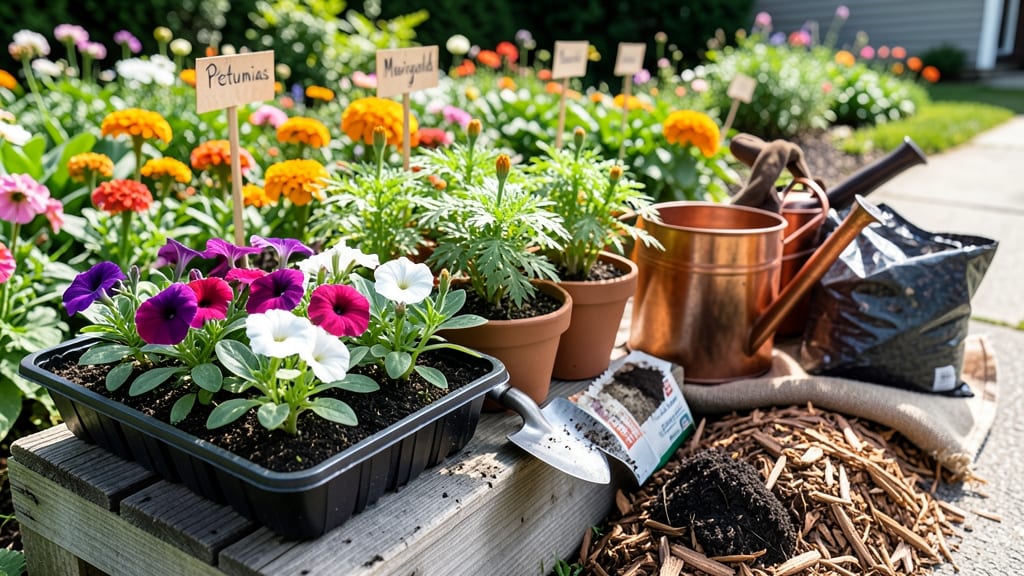
To plant flowers in Rhode Island, aim for early spring to late summer—timing that avoids late frosts and maximizes your 165 frost-free days.
Picture this: you’ve prepped the soil, chosen your 🌸 daffodils and petunias, and then—BAM—a surprise frost wipes out your progress. Rhode Island’s unpredictable weather means one wrong move can turn your dream garden into a sad, brown patch.
Whether you’re a beginner or a seasoned gardener, knowing when to plant—from hardy perennials in March to heat-loving annuals in June—is the key to a vibrant, long-lasting garden.
Below, I’ll break down the exact planting windows for your zone, plus tips to adjust for coastal winds and early heatwaves.
You’ll leave here with a clear schedule, top flower picks for Rhode Island’s short season, and tricks to extend blooms until frost. Let’s get those 🌸 flowers growing!
Best months to plant flowers in Rhode Island by type
Rhode Island’s USDA Zone 6b climate offers a short but vibrant growing season, where precise planting timing determines whether your flowers thrive or falter.
The average last frost date is around April 15, but coastal areas like Newport can experience later frosts, while inland spots near Providence may warm up sooner. Understanding these microclimates helps you maximize bloom time for annuals, perennials, and bulbs alike.
For annual flowers, the sweet spot is late April to early June, once soil temperatures consistently stay above 50°F. Perennials benefit from early spring (March-April) or fall (September-October) planting, allowing roots to establish before extreme heat or cold.
Meanwhile, spring-blooming bulbs like daffodils and tulips should be planted in October-November, while summer-blooming varieties like dahlias go in May after frost risk passes.
Coastal gardens near the Atlantic face delayed warming and salty winds, so opt for hardy varieties like Black-Eyed Susans or Shasta Daisies. Inland areas can push the envelope with heat-loving annuals such as Zinnias or Marigolds, planted in early May for summer-long color. Always check soil temperature with a probe—60°F+ signals it’s safe for most seeds.
If you’re planting seeds indoors, start 6–8 weeks before your target outdoor date (e.g., February–March for spring annuals). Use grow lights to mimic 14–16 hours of light daily, as Rhode Island’s short days in early spring can stunt seedlings.
Harden off transplants by gradually exposing them to outdoor conditions for 7–10 days before planting.
For coastal gardens, prioritize wind-resistant varieties like Sea Thrift or Bee Balm, which tolerate salty breezes. Inland gardens can experiment with tropical-looking annuals such as Vinca or Begonias, planted in late May once soil is consistently warm.
Always mulch after planting to retain moisture and regulate soil temperature—critical in Rhode Island’s variable spring weather.
Extend your blooming season by staggering plantings every 2–3 weeks for annuals like Marigolds or Cosmos. This ensures continuous color from June through October, even if early plantings succumb to summer heat.
Pair heat-loving annuals with shade-tolerant perennials like Hosta or Astilbe to create a balanced garden that thrives in Rhode Island’s partial shade spots.
Don’t overlook fall planting for perennials like Black-Eyed Susans or Goldenrod, which establish roots in cool September soil and bloom next summer. Avoid planting after October 15, as young roots may not survive winter frosts.
For bulbs like crocus, plant in late September to ensure they naturalize and multiply over time.
Use frost dates as a guide, but watch local forecasts—Rhode Island’s coastal areas can experience late frosts in May, while inland spots may skip frost entirely. When in doubt, cover tender plants with frost cloth or row covers until May 15 for safety. With these <
How to adjust planting times for Rhode Island’s unpredictable weather
Rhode Island’s coastal winds and late spring frosts can throw off even the most experienced gardener’s timing. Last frost dates here average around April 15, but coastal areas like Newport can see frosts as late as May 1.
To protect your annual flowers and tender perennials, I’ve developed a flexible approach that accounts for these variables.
Start by checking soil temperatures—most flowers need soil to reach 50-60°F before planting. Use a soil thermometer for accuracy, especially for heat-sensitive varieties like petunias or impatiens. If temperatures fluctuate, consider using row covers or frost cloth to create a microclimate for your plants.
⚠️ WARNING: Late Frost Risks ⚠️ Rhode Island’s coastal areas (like Block Island or Narragansett) experience delayed warming due to ocean currents.
Even after April 15, a late frost can kill young seedlings. Hardy annuals like cosmos or zinnias (USDA Zone 3+) can handle light frosts, but tender varieties (e.g., marigolds, geraniums) need protection.
Use staggered planting: sow a few seeds every 2 weeks to extend your blooming season. For coastal gardens, wait until May 10 to plant heat-lovers like sunflowers or black-eyed Susans.
Another trick I swear by is container gardening for high-value plants. Move pots indoors or under a cold frame during unpredictable nights. This gives you control over the environment and lets you harden off plants gradually.
For perennials, divide and transplant in early fall (September)—they’ll establish roots before winter and bloom earlier next spring.
Don’t overlook wind protection. Coastal gardens face salty winds that can scorch leaves. Install windbreaks (like bamboo fencing or evergreen shrubs) on the northwest side of your garden.
Mulch heavily with straw or pine needles to insulate roots and retain moisture during early summer droughts, which are becoming more common.
For extended blooms, try the "succession planting" trick: plant fast-growing annuals like bachelor’s buttons or nasturtiums every 3-4 weeks from May through July. This ensures continuous color even if early plantings get hit by unexpected heatwaves.
Pair them with perennials like coneflowers, which tolerate both cooler springs and hot summers.
Finally, keep a gardening journal to track your local frost dates and plant performance. Note which varieties thrive in your specific microclimate—this data becomes invaluable for future seasons. With these adjustments, you’ll turn Rhode Island’s unpredictable weather into an advantage for a longer, more vibrant blooming season. 🌷