
Flowers
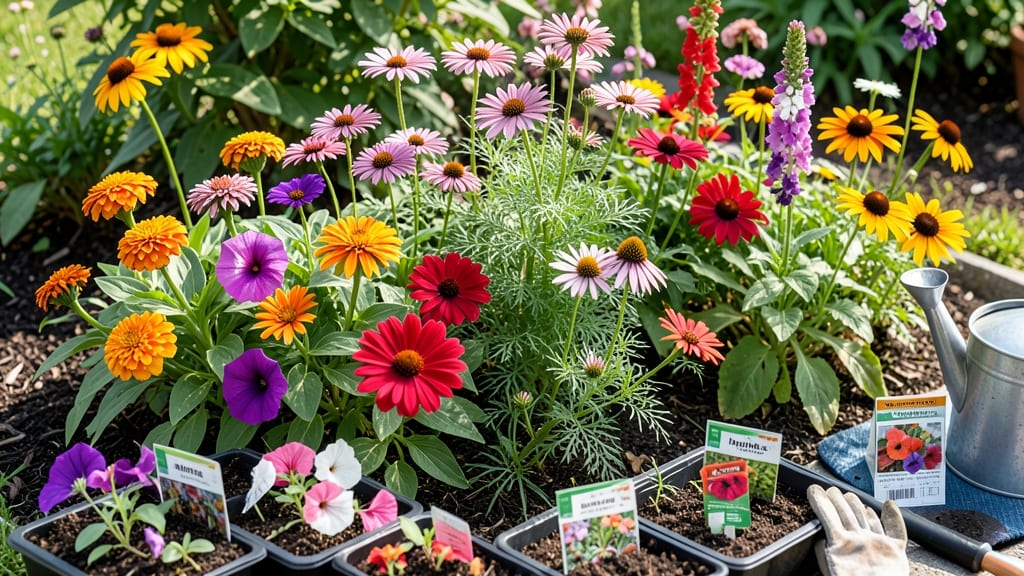
To plant flowers in Massachusetts at the perfect time means catching the window between mid-April and mid-June — or again in August for fall blooms — when the soil warms and frost risk fades.
Massachusetts gardeners know timing is everything — plant too early, and frost will kill your blooms; too late, and you’ll miss peak summer color. But with the right zone-specific schedule, you can transform your yard into a vibrant floral paradise year after year.
Whether you’re sowing hardy perennials in March or waiting for soil temperatures to hit 60°F in May, understanding your USDA zone (5b-7a) makes all the difference. Coastal areas have a head start, while inland spots need patience for the last frost to pass.
Below, I’ll break down the exact months for annuals, perennials, and bulbs, plus pro tips to stretch your season — because in Massachusetts, every extra week of blooms counts.
Massachusetts planting zones: how climate affects flower timing
Massachusetts spans USDA zones 5a through 6b, creating distinct microclimates that dramatically impact when and what you can plant. Coastal areas like Cape Cod (6a-6b) enjoy milder winters and later frosts, while inland regions such as the Pioneer Valley (5b-6a) face earlier freezes.
These differences mean your last frost date could vary by 2-3 weeks—critical timing for annuals like petunias or perennials like coneflowers.
Understanding your zone helps avoid common mistakes: planting marigolds too early in zone 5a risks frost damage, while delaying black-eyed Susans in zone 6b might miss their full summer bloom potential.
The average frost-free date ranges from mid-April in Boston to late May in the Berkshires, with coastal areas often 10-14 days later than inland spots.
Soil temperature is just as critical as air temperature. Most annuals need soil at 60°F+ to thrive, while cool-season flowers like pansies can handle 50°F soil. Use a soil thermometer to check—planting geraniums in cold soil stunts root growth, even if air temps seem warm.
Bulbs like tulips and daffodils follow a different rhythm: plant them in fall (October-November) for spring blooms, but timing varies by zone. In zone 5a, aim for mid-October planting, while zone 6b gardeners can wait until early November.
The key is getting bulbs in 6-8 weeks before ground freezes—too early, and they’ll sprout; too late, and they won’t root properly.
Microclimates add another layer: South-facing slopes warm up faster, letting you plant 2 weeks earlier than flat areas. Conversely, low-lying spots stay colder, delaying planting by 1-2 weeks.
Even within your yard, a fence or building can create a 2-3°F warmer microclimate, perfect for heat-loving salvias or verbenas.
For coastal gardeners, ocean breezes can push frost dates back by 10-14 days, but also increase wind burn risk for delicate flowers like roses. Use windbreaks or choose hardy varieties like bearded irises, which thrive in zone 6b’s salty air.
Inland areas, meanwhile, face more extreme temperature swings, so mulch heavily to protect perennial roots during sudden cold snaps.
Pro tip: Use frost clocks or local agricultural extension service alerts (like UMass Extension) for real-time updates. These tools account for unpredictable weather patterns—like the 2018 late-spring frost that caught many gardeners off guard.
Monthly flower planting calendar for Massachusetts gardens
Massachusetts gardeners face a short growing season, but with the right timing, you can enjoy blooms from spring through fall. The key is understanding when to plant cool-season flowers that tolerate frost and warm-season varieties that thrive after the last frost date.
For most of Massachusetts (zones 5b-7a), this means strategically planting between March and September to maximize your garden's potential.
Your planting schedule should align with soil temperatures and frost predictions. Coastal areas like Cape Cod may have earlier last frost dates (mid-April), while inland regions like the Berkshires might wait until late May.
Always check your local frost-free date—this is your cue to start planting warm-season flowers. For hardy perennials, you can begin as early as March under frost cloth, while tender annuals should wait until after May 15th.
🌱 Massachusetts Monthly Flower Planting Guide
- March: Plant cool-season flowers like pansies, snapdragons, and sweet peas in well-draining soil. Hardy perennials (e.g., peony, iris) can go in the ground with frost protection.
- April: Start warm-season annuals indoors (e.g., petunias, geraniums) and transplant hardy perennials after soil warms to 50°F. Coastal areas can plant marigolds and zinnias.
- May: Wait until after last frost (usually May 15th) to plant tomatoes, sunflowers, and cosmos. Add mulch to retain moisture.
- June: Direct-sow late-blooming annuals like cosmos and zinnias for summer color. Divide overcrowded perennials (e.g., daylilies).
- August: Plant fall-blooming bulbs (e.g., dahlias, chrysanthemums) and cool-season veggies like kale. Transplant pansies for early spring blooms.
- September: Sow hardy annuals (e.g., pansies, sweet alyssum) and spring-blooming bulbs (e.g., tulips, daffodils) for next year.
For March and April, focus on cool-season flowers that thrive in cooler temperatures. Pansies and violas are excellent choices—they bloom in 4-6 weeks and tolerate light frost.
Sweet peas, when planted early, will climb trellises by summer, adding vertical interest. These flowers also self-seed, meaning you’ll get free blooms next year with minimal effort.
When May rolls around, shift to warm-season annuals like sunflowers and cosmos. These plants need consistent warmth to germinate, so don’t rush—wait until soil temperatures hit 60°F. A simple trick is to press your hand into the soil; if it feels warm to the touch, it’s ready.
For perennials, divide clumps in May or early June to rejuvenate overcrowded plants like black-eyed Susans or coneflowers.
Don’t overlook August and September—these months are perfect for fall planting. Dahlias and chrysanthemums planted now will reward you with late-season color before winter. Even if frost arrives early, these flowers are tough enough to handle light frosts.
For next year’s spring blooms, plant bulbs like tulips and daffodils in September—they’ll establish roots before winter and burst into color by April.
Pro tip: Use row covers or cold frames to extend your planting window. For example, you can start pansies in late August under a cover and enjoy blooms until Christmas. This simple trick adds weeks of color to your garden when other plants have faded.